The Emoji Effect: How Our Digital Expressions Are Always Changing

Jan 01,2026
Remember a time before emojis? It almost feels like a different era, doesn't it? Today, these tiny, expressive icons are so deeply woven into the fabric of our digital conversations that it’s hard to imagine typing out a message without them. But emojis aren't just decorative; they're a living, breathing language that mirrors the dynamic shifts in how we communicate online. They show us, in real-time, how our digital interactions are constantly evolving, adapting to new social nuances and cultural trends.
Think about how quickly a simple smiley face can change its meaning. What started as a universally understood sign of happiness might now be used ironically, sarcastically, or even as a playful taunt. This rapid evolution isn't arbitrary; it's a direct reflection of our collective digital consciousness. As our online spaces become more nuanced and complex, so too does our emoji vocabulary. We’re not just using them; we’re shaping them, and in turn, they’re shaping us.
The Language of Speed and Subtlety
In the fast-paced world of online interaction, where brevity is often king, emojis offer an incredible shortcut. They convey tone, emotion, and even complex ideas in a way that plain text often struggles to do. A single 😂 (Face with Tears of Joy) can communicate a laugh far more effectively than "LOL" ever could, especially when you consider how "LOL" itself has lost much of its original punch. This need for quick, impactful communication is a hallmark of digital spaces, and emojis have risen to the challenge, becoming indispensable tools for expressing ourselves efficiently.
But it's not just about speed; it's also about subtlety. Sometimes, we want to convey a feeling without explicitly stating it. A well-placed 👀 (Eyes) emoji can signal curiosity, suspicion, or even mild judgment, all without a single word. This non-verbal layer of communication is vital in digital environments where visual cues and vocal inflections are absent. Emojis bridge that gap, adding a richness and depth that would otherwise be missing from our text-based exchanges. It’s a fascinating dance between conciseness and emotional depth that defines much of our online chatter. For more on how these icons adapt, you might enjoy exploring The Ever-Shifting Emoji Landscape.
From Universal Symbols to Niche Jargon
One of the most compelling aspects of emoji evolution is how their meanings can diverge across different communities and platforms. While some emojis retain their widely accepted meanings, others get completely recontextualized within specific groups. A simple 💀 (Skull) emoji, once a morbid symbol, has become a popular way to express extreme laughter or being "dead" from humor in many online circles. This kind of transformation shows how communities actively participate in the creation and interpretation of digital slang, transforming universal symbols into niche jargon.
This phenomenon isn't new; language has always evolved this way. But the speed and scale at which it happens with emojis in digital spaces are unprecedented. A meme can emerge, spread globally, and attach a completely new meaning to an emoji within days or weeks. This rapid cultural adoption and adaptation highlight the fluid nature of online communication, where meanings are constantly being negotiated and redefined by its users. It's a testament to the power of collective digital creativity.
Generational Gaps and Digital Dialects
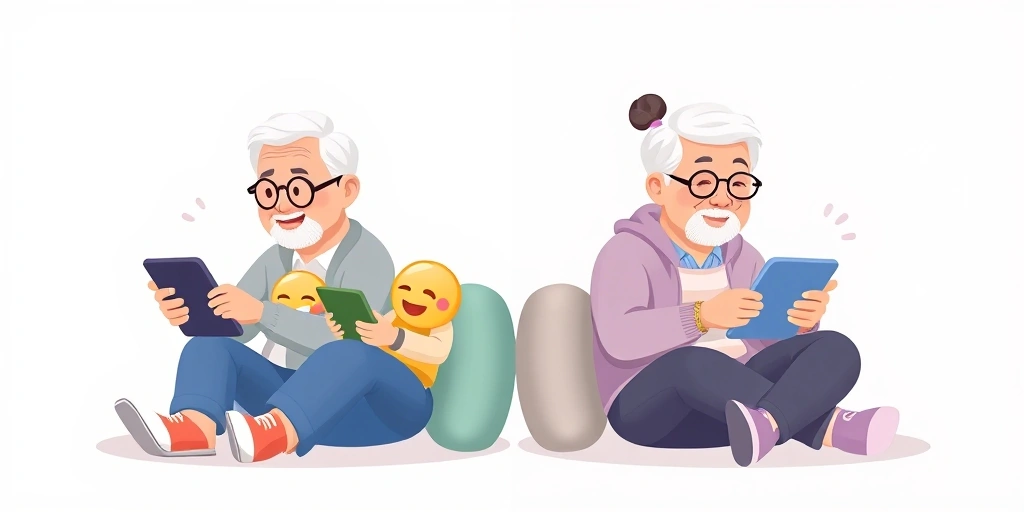
It's no secret that different generations often use emojis in distinct ways. What might be a perfectly acceptable and current emoji for a teenager might feel outdated or even misunderstood by an older demographic, and vice versa. This generational gap in emoji usage isn't about right or wrong; it's about different digital dialects. Younger generations, often growing up fully immersed in digital communication, develop an intuitive understanding of new emoji nuances and trends almost instinctively.
Take, for example, the 😂 emoji. While still widely used, some younger users have moved away from it, preferring alternatives like 😭 (Loudly Crying Face) or even the simple skull emoji mentioned earlier, to convey intense laughter. This subtle shift illustrates how communication styles evolve within different age cohorts online. These differences can sometimes lead to humorous misunderstandings but also underscore the rich diversity within our digital language. Understanding these evolving dynamics is key to navigating the vibrant world of online interaction, as discussed in Emoji & Culture / Trends.
The Platform's Influence: Shaping Our Expressive Palettes
Beyond generations and communities, the very platforms we use also play a significant role in shaping how emojis are perceived and utilized. Think about the quick, often visually driven communication on platforms like TikTok or Instagram versus the more text-heavy exchanges on Twitter or Facebook. An emoji that works perfectly on one platform might feel out of place on another, influencing our expressive palettes.
For instance, the sheer visual nature of TikTok has elevated emojis that lend themselves well to quick reactions or aesthetic layering, while more nuanced, conversational emojis might thrive in chat apps. Each platform fosters its own distinct communication style, and emojis naturally adapt to fit these environments. This adaptation is crucial because it highlights how our tools influence our language, creating unique digital ecosystems where different emojis flourish.
When Emojis Become Cultural Barometers
Ultimately, emojis are more than just cute pictures; they are potent cultural barometers. They reflect societal moods, emerging trends, and even our collective anxieties or joys. The rise of certain emojis, or the reinterpretation of others, often tells a story about what's happening in the wider world. During times of global events, you might see a surge in specific emojis used to express solidarity, concern, or celebration, acting as quick, universal shorthand for complex human experiences.
They are a testament to our ongoing quest for connection and expression in an increasingly digital world. As online spaces continue to evolve, so too will the ways we use these tiny icons. They are a constant reminder that language, even digital language, is a living thing, always shifting, always adapting, and always reflecting the intricate dance of human interaction. The next time you send an emoji, pause for a moment to appreciate the rich, dynamic story it tells about our shared digital culture. For more insight into how online communities influence these changes, check out The Unseen Hand: How Online Communities Shape Our Favorite Emojis.
They truly are a powerful, unassuming force in how we navigate the digital landscape, continually evolving to perfectly capture the essence of our online lives, one tiny pixel at a time.
📒 Related Blogs
More...How Emojis Find New Meaning in Every Online Space
How Emojis Are Reshaping Global Language & Culture: A Linguistic Deep Dive
More Than Just Fun: How Emojis Unravel the True Meaning in Busy Chats
The Instant Pulse: How Emojis Light Up Viral Trends and Platform Moments
The Secret to Friendly Slack Messages? It's All in the Emoji
The Quiet Comfort of Emojis: How a Tiny Icon Eases Our Awkward Pauses