The Unseen Hand: How Online Communities Shape Our Favorite Emojis

Jan 01,2026
Have you ever noticed how an emoji that once meant one thing suddenly takes on a completely different life online? It’s a fascinating dance, isn’t it? One day, a little icon is just a simple graphic, and the next, it’s a shorthand for an entire mood, a specific joke, or even a nuanced cultural commentary. This isn't just random; it's the beautiful, chaotic symphony of online communities shaping our digital language in real-time.
The Genesis of Collective Meaning
Think back to the early days of emojis. The 😂 (Face with Tears of Joy) became the undisputed king of conveying laughter, almost universally understood. The ❤️ (Red Heart) solidified its role as the go-to for love and affection. These were initial, strong patterns, largely driven by their straightforward visual representation. But the internet, being the vibrant, ever-evolving space it is, soon began to push these boundaries.
Online communities, whether they were niche forums, early social media groups, or gaming clans, started developing their own internal shorthand. A simple emoji could carry a weight of shared history and inside jokes that outsiders wouldn’t grasp. This is where the magic really begins – when a small group breathes new, specific life into a generic symbol.
From Literal to Ironic: The Skull Emoji's Journey
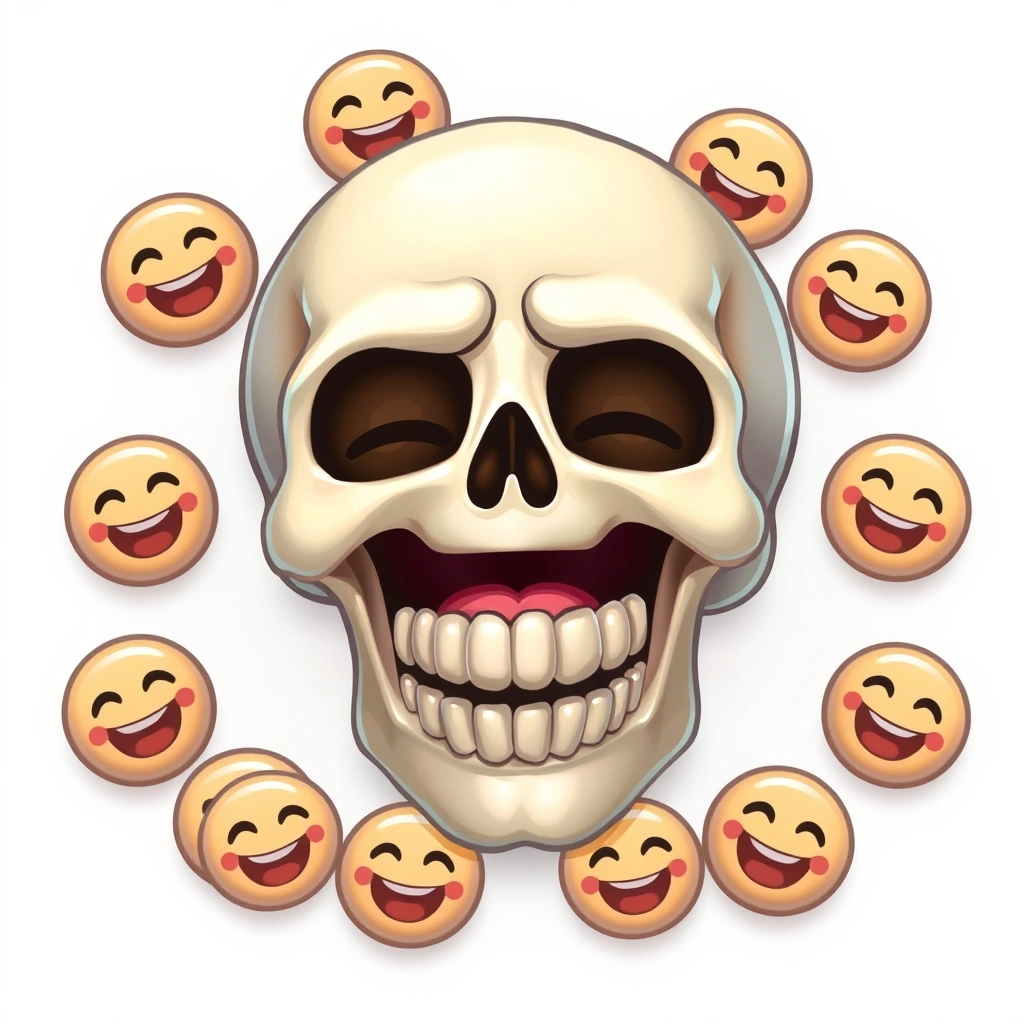
Take the 💀 (Skull) emoji, for example. Initially, it might have been used for spooky Halloween messages or to denote danger. But then, somewhere in the vast expanse of the internet, it started appearing in contexts like "I'm dead" – not literally, of course, but dead from laughing so hard, or from being utterly shocked or overwhelmed. It became a perfect, succinct way to express extreme amusement or disbelief. This shift from its literal meaning to an ironic, hyperbolic one is a classic example of community-driven evolution.
The Meme Machine: Spreading New Meanings Far and Wide
Once a new pattern emerges within a community, the internet’s powerful meme culture takes over. A usage pattern can spread like wildfire, crossing platforms and demographics at astonishing speed. The 🤡 (Clown Face) emoji is a prime example. While it’s always been associated with clowns, its recent popular usage has pivoted to self-deprecation, foolishness, or mocking someone perceived as acting foolishly. It’s used to say, "I really messed up," or "Look at this ridiculous behavior."
Platforms like X (formerly Twitter) and TikTok are particularly effective incubators for these trends. A viral tweet or a trending sound on TikTok can cement a new emoji meaning almost overnight. We collectively adopt these new understandings, often without even consciously realizing we're part of a larger linguistic shift. It’s a testament to how digital trends reshape our favorite icons, keeping the emoji landscape dynamic and fresh.
Generational Divide: A Shifting Emoji Language
It's also fascinating to observe how different generations interact with and redefine emojis. What might be a standard symbol for one group can be completely outdated or carry a nuanced, often ironic, meaning for another. The thumbs-up 👍 emoji, for instance, is seen by some younger users as passive-aggressive or too formal, while older generations might use it as a straightforward acknowledgement. This generational divergence is a constant force in shaping emoji patterns and creates a rich tapestry of digital communication. If you're curious about how these differences play out, you might enjoy exploring the secret language of generations in more detail.
The Unseen Hand of Collective Creativity
What makes these patterns stick? It's often about utility and resonance. When a new emoji usage perfectly captures a shared feeling, a current mood, or a common experience, it gets adopted. It fills a linguistic gap, often doing so with more brevity and emotional punch than words ever could. These are not top-down decrees; they are organic, bottom-up evolutions driven by millions of small, individual choices converging into a collective pattern.
Every time you consciously or unconsciously adopt a new emoji meaning you picked up from a friend, a meme, or a corner of the internet, you're contributing to this ongoing cultural dialogue. We are all participants in this grand experiment of digital language, constantly refining, reinventing, and reinterpreting the tiny pictures that punctuate our daily conversations.
Ultimately, the patterns emojis follow are a beautiful reflection of our interconnected digital lives. They show how human creativity, humor, and a shared desire for expressive communication thrive even within the confines of standardized symbols. So next time you see an emoji being used in a surprising new way, take a moment to appreciate the invisible hands of online communities at work, shaping the very fabric of how we connect.
📒 Related Blogs
More...The Subtle Power: How Emojis Shape Professional Messages
Spark Joy! How Emojis Turn Relaxed Chats into Playful Adventures
Level Up Your Chats: How Emojis Turn Casual Conversations Into a Fun Game!
When Emojis Backfire: How a Simple Smiley Can Confuse Your Professional Message
The Fascinating Evolution of Emojis: From Kaomoji to Global Unicode Standards
The Art of the Soft Landing: How Emojis Make Tough Feedback Feel Human