The Subtle Power: How Emojis Shape Professional Messages

Dec 29,2025
It wasn't that long ago that the idea of using emojis in a professional email or team chat would have been met with a raised eyebrow, if not outright disapproval. Yet, here we are, in an era where those little yellow faces and diverse symbols have effortlessly woven themselves into the fabric of our daily work communications. They’ve moved beyond casual chats with friends and family, stepping into the realm of project updates, client emails, and internal memos. But as they’ve become more commonplace, it’s worth asking: how exactly do emojis adjust the perceived directness of a message in a professional setting?
The answer, as with most things in human communication, is nuanced. Emojis, despite their small stature, carry a significant weight in influencing how our words are received. They can soften a direct request, add a layer of warmth to an otherwise neutral statement, or even subtly reinforce the seriousness of a point. It’s all about interpretation, and that interpretation can vary wildly.
Softening the Edges: When a Smile Makes All the Difference
One of the most immediate impacts of an emoji in a professional message is its ability to soften the blow or reduce the perceived harshness of a direct statement. Imagine sending an email saying, "Please get this report to me by end of day." It's clear, it's direct, but depending on your relationship with the recipient or the overall culture of your workplace, it might come across as a bit abrupt or demanding. Now, consider "Please get this report to me by end of day 👍." That simple thumbs-up emoji subtly shifts the tone. It acknowledges the request while adding a hint of encouragement or agreement, making the message feel less like an order and more like a collaborative ask.
Similarly, a quick "Can you review this?" followed by a gentle 🙂 can make a feedback request feel more approachable. It signals a friendly tone, even if the underlying request is quite direct. This softening effect is particularly useful in scenarios where you need to deliver a firm deadline or make a clear demand without coming across as overly aggressive or cold. It’s a way to inject a touch of humanity into digital text, which often strips away the non-verbal cues we rely on in face-to-face interactions. Unlocking tone with emojis in professional messages is truly an art.

Adding Nuance: Beyond Just Directness
Beyond simply softening a message, emojis can introduce a layer of nuance that plain text often struggles to convey. They can clarify intent, preventing misinterpretations that are common in written communication. For instance, a sarcastic remark that might be completely lost or even offensive in text can be rescued with a 😉 or a 😂, signaling that the comment is meant to be lighthearted. In a professional context, this is incredibly valuable for maintaining good team dynamics and avoiding unnecessary friction.
Consider a team chat where someone shares an exciting update. A simple "Great job!" is perfectly fine, but "Great job! 🎉" or "Great job! 👏" adds an undeniable layer of enthusiasm and celebration. These aren't just decorative; they enhance the emotional resonance of the message, making the recipient feel more genuinely appreciated. This subtle shift in emotional directness—moving from purely informational to genuinely congratulatory—is a powerful tool in fostering a positive work environment.
When Directness is King: The Flip Side
Of course, there are situations where absolute directness is paramount, and emojis might actually hinder clarity. In critical communications, legal documents, or highly formal interactions, the ambiguity or informality introduced by emojis can be counterproductive. When conveying urgent safety instructions, a precise technical detail, or delivering serious news, a straightforward, unadorned message is usually best. Here, emojis could dilute the seriousness or create confusion about the exact intent.
The perception of emojis also varies significantly across different professional cultures and even generations. What might be seen as friendly and efficient in a startup environment could be deemed unprofessional in a more traditional corporate setting. Understanding your audience and the established communication norms of your workplace is crucial. Over-using emojis, or using them inappropriately, can make your messages feel less authoritative or even flippant, regardless of your good intentions.
Navigating the Professional Landscape with Emojis
So, how do we effectively navigate this evolving landscape? The key lies in strategic, thoughtful usage. Think of emojis as a seasoning for your professional messages. A pinch can enhance the flavor, but too much can overwhelm the dish. Before hitting send, consider:
- Your Audience: Who are you communicating with? A peer? A manager? A client? What's your relationship like?
- The Context: What is the message about? Is it a casual update, a serious request, or critical feedback?
- Your Workplace Culture: Does your company embrace emojis, or is it more formal?
Using emojis to slightly adjust directness works best when there’s a pre-existing rapport or an established informal communication channel. They can reinforce positive sentiment, soften potentially blunt statements, and add a personal touch that builds connection. For a deeper dive into how these little icons steer your casual chats, you might find this interesting: The Emoji Effect: How Little Icons Soften, Sharpen, and Steer Your Casual Chats. Even in professional settings, the principles of human connection remain.
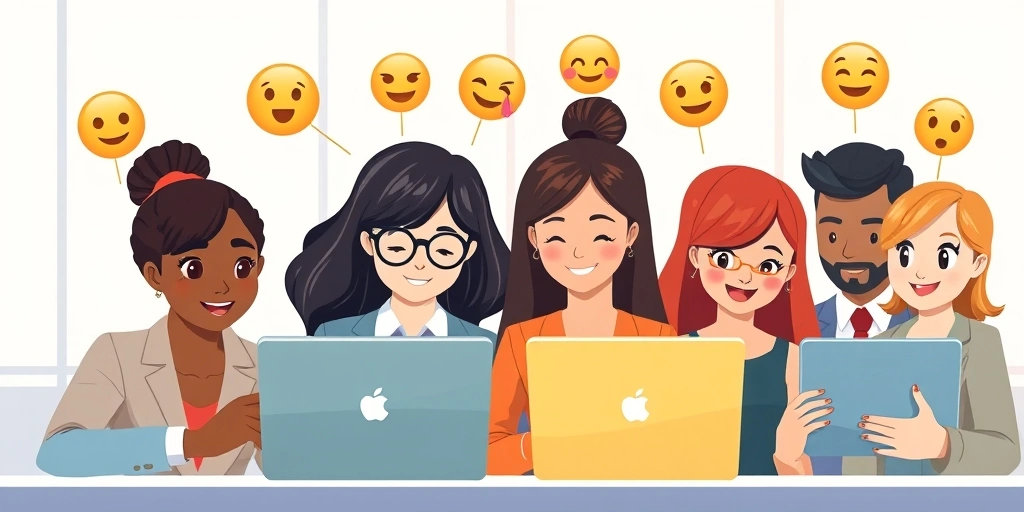
The Art of Intentional Emoticon Use
Ultimately, emojis are tools. Like any tool, their effectiveness depends on how and when they are used. In professional messaging, they offer a powerful, albeit subtle, way to fine-tune the directness of our communication. They can help bridge the gap between the coldness of text and the warmth of human interaction, ensuring that our messages are not just understood, but also felt in the way we intend.
Mastering this art isn't about avoiding emojis altogether, nor is it about scattering them indiscriminately. It's about being intentional. It's about understanding their power to modify perception, to soften a command, to add a celebratory flourish, or to simply make a message feel a little more human. As digital communication continues to evolve, so too will our strategies for navigating its nuances. Emojis, for all their simplicity, are at the forefront of this evolution, continually reshaping how we connect, even in the most professional of exchanges.
To further explore the broader impact of emojis on communication, check out our Emoji & Communication blog category, where we delve into various aspects of this fascinating subject.
📒 Related Blogs
More...The Hidden Language: How Emojis Subtly Shape Your Digital Reactions
The Psychology Behind Emojis: Why We Love to Tap and Send Them
The Secret Language of Likes: How Emojis Totally Transform Your Social Media Posts
The Silent Echo: How Emojis Speak When Words Are Hardest to Find
The Secret Sauce of Social Messaging: How Emojis Keep Conversations Fun and Light
Why Emojis Are Your Secret Weapon for Smoother Status Updates and Happier Team Chats