Unlocking Tone: How Emojis Reshape Professional Message Interpretation

Dec 26,2025
In today's fast-paced digital world, communication often relies on the written word, stripped of the nuances that body language and vocal inflections provide. This absence can sometimes lead to misinterpretations, especially in professional contexts where clarity and tone are paramount. Enter emojis – those small, expressive icons that have evolved from casual chat embellishments to potent tools capable of subtly yet profoundly influencing how a message is received.
Think about it: a plain text message can feel stark, even demanding. But add a simple emoji, and the entire interpretation can shift. This isn't just about making messages 'friendlier'; it's about providing crucial context that helps recipients understand the sender's intent, preventing misunderstandings before they even arise.
The Silent Interpreters: Emojis as Contextual Cues
Emojis act as visual cues, filling the void left by a lack of face-to-face interaction. Without them, a straightforward statement like "Please send the report by EOD" can be perceived in various ways – as a neutral directive, an urgent demand, or even a mildly annoyed reminder. The interpretation hinges entirely on the recipient's current mood, their relationship with the sender, and their previous experiences. This ambiguity can lead to unnecessary stress or a breakdown in efficiency.
However, introducing a well-chosen emoji changes the game. "Please send the report by EOD 👍" immediately softens the command, implying a positive expectation and collaboration. "Please send the report by EOD 🙏" adds a touch of polite urgency or gratitude, depending on the context. The emoji doesn't change the core message, but it absolutely changes the feeling associated with it, guiding the recipient towards the intended tone.
Navigating Nuance: When a Smiley Face is More Than Just Happy
The power of emojis lies in their ability to convey a spectrum of emotions and intentions that words alone might struggle to capture efficiently. A simple smiley face 🙂 can communicate warmth, agreement, or even a gentle nudge. A slightly amused face 😂 might indicate that a comment was made in jest, preventing it from being taken too seriously. Conversely, a thinking face 🤔 can signal contemplation or a need for further clarification without explicitly stating "I need more information."
These subtle additions help to humanize digital interactions. They allow for a more natural flow of conversation, akin to how we'd modulate our voice or facial expressions in person. In a remote work environment, where most interactions are text-based, these visual cues become even more critical for fostering a sense of connection and shared understanding among colleagues. Without them, professional exchanges can feel purely transactional, lacking the human element that builds strong working relationships.
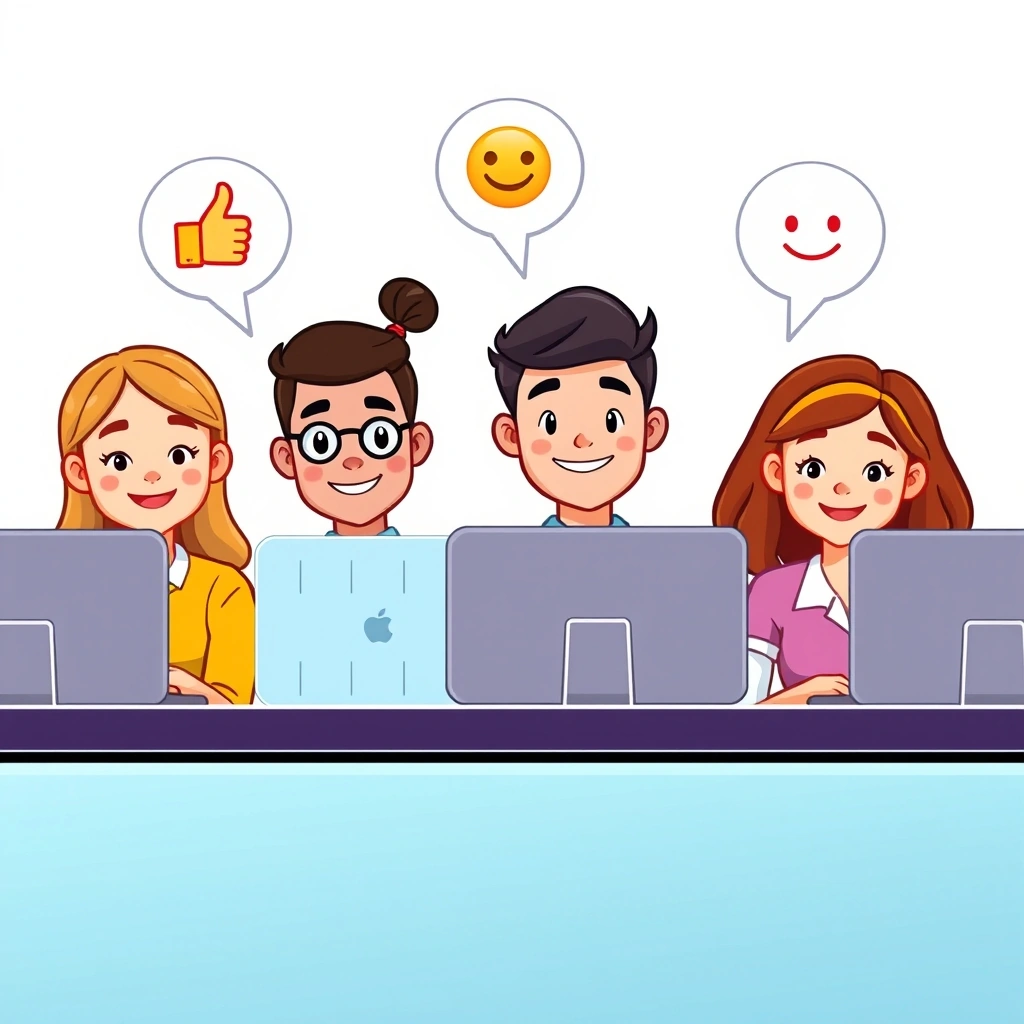
Avoiding Misinterpretations: The Double-Edged Sword
While emojis are powerful tools for shaping tone, their use isn't without its complexities. Different cultures, age groups, and even individual preferences can interpret the same emoji in vastly different ways. A thumbs-up 👍, while generally positive, might be considered rude or dismissive in some cultural contexts. A winking face 😉, intended as playful, could be seen as unprofessional or even flirtatious in a workplace setting.
This means that while emojis offer a shortcut to conveying tone, they also require a degree of awareness and sensitivity. Senders must consider their audience and the specific context of the message. The goal is to enhance clarity, not to introduce new layers of potential misinterpretation. When in doubt, it's often better to err on the side of caution or to use emojis that are universally understood to convey positivity or agreement.
Building Professional Rapport Through Thoughtful Emoji Use
Using emojis effectively in professional messaging isn't about haphazardly scattering them throughout every sentence. It's about strategic, thoughtful inclusion to achieve specific communication goals. For instance, a quick "Thanks! 🙌" can make an appreciation feel more genuine and enthusiastic than a plain "Thanks." A "Good job on that project! ✨" adds a celebratory touch that can boost team morale.
These small gestures contribute to building rapport and a more positive working environment. They demonstrate that the sender is approachable, relatable, and aware of the human element in communication. This can be especially important for leaders and managers, as their tone often sets the standard for the entire team.
The evolving landscape of digital communication means we're constantly adapting our communication styles. Emojis, once dismissed as frivolous, are now indispensable components in the professional toolkit, allowing us to imbue our messages with a layer of emotional intelligence that plain text simply cannot replicate. For a deeper dive into how visual cues impact our digital interactions, explore more on Emoji & Communication.
By understanding and consciously utilizing emojis, we can bridge the gap between spoken and written communication, ensuring our professional messages are not only understood for their content but also for their intended tone. This precision helps foster stronger relationships, reduce misunderstandings, and ultimately create a more harmonious and effective workplace. It’s a small addition with a significant impact on how we connect and collaborate every single day.
📒 Related Blogs
More...Emoji Etiquette: Navigating the Unwritten Rules of Digital Communication
Emojis: The Secret Sauce for Friendly, Flowing Digital Conversations
The Quiet Comfort of Emojis: How a Simple Icon Says 'I'm Here'
The Unspoken Hello: How Emojis Say 'I'm Here' in Your Everyday Chats
Emoji as Emotional Buffers: Navigating Uncertainty with a Single Tap