The Art of the Soft Landing: How Emojis Make Tough Feedback Feel Human

Feb 05,2026
Let's be honest: giving feedback at work is hard. Receiving it can be even harder. In a world of instant messages and remote teams, our words on a screen carry all the weight, but often lack the warmth of a smile or the reassurance of a nod. We're told to be direct, clear, and professional. But sometimes, that directness can feel cold, even harsh. This is where the humble emoji steps in, not as a frivolous decoration, but as a crucial tool for emotional calibration.
Think about the last time you typed "We need to talk about the Q3 report." On its own, it's a neutral statement of fact. But to the person receiving it? It might sound like a prelude to a firing squad. Now, imagine that same message with a slight tweak: "We need to talk about the Q3 report 😊." That single smiley face changes everything. It signals, "This is a collaborative conversation, not a condemnation." It provides the emotional context our plain text so desperately lacks.
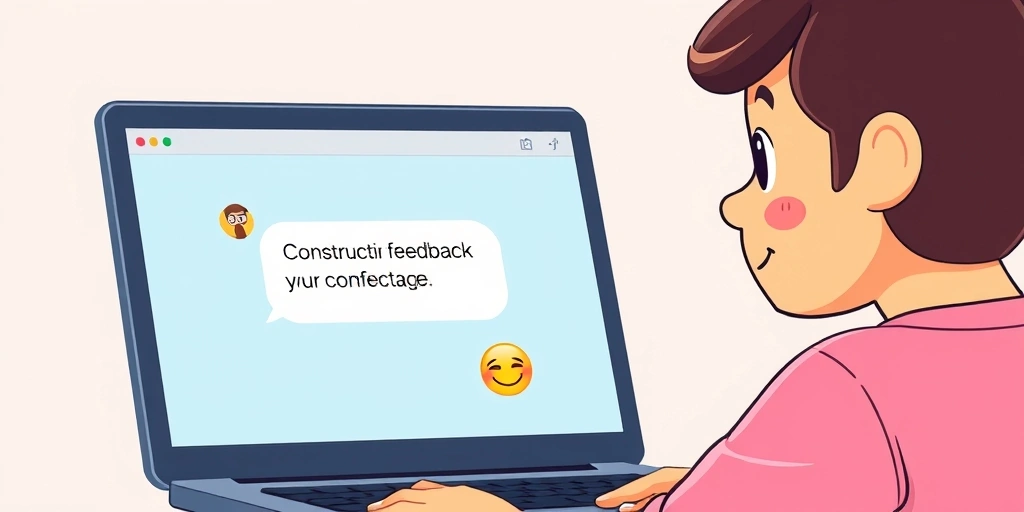
This isn't about sugar-coating or being unprofessional. It's about balancing directness with humanity. A critique wrapped in a grimace (😬) or a thinking face (🤔) acknowledges the difficulty of the situation. It says, "I know this is tough, and I'm approaching it with care." This small gesture builds what psychologists call psychological safety—the belief that you won't be punished for making a mistake. When people feel safe, they're more open to feedback and more likely to engage in creative problem-solving.
The Delicate Dance of Tone in Text
Without body language and vocal inflection, our written words are open to interpretation. A simple "Okay" can be read as agreement, passive aggression, or outright dismissal. This ambiguity is the breeding ground for workplace misunderstandings. Emojis act as tone indicators, helping to anchor the intent of your message.
For example, praise can sometimes feel generic. "Great job on the presentation!" is nice, but which part was great? Adding a clapping hands emoji (👏) or a star (⭐) adds a layer of genuine enthusiasm and specificity. It feels more like a real pat on the back. Conversely, when asking for a revision, a pleading face (🥺) or a simple thumbs up (👍) can transform a demand into a request. It shows you're on the same team, working toward the same goal.
For more on navigating these digital nuances, our guide on how a simple emoji can save your workday from misunderstandings dives deeper into specific scenarios.
Practical Tips for Emoji-Enhanced Feedback
So, how do you use emojis effectively without undermining your professionalism? Here are a few grounded principles:
1. Match the Emoji to the Emotion, Not Just the Word. A fire emoji (🔥) might be perfect for celebrating a huge win, but confusing on a message about a bug fix. A green check mark (✅) or a simple smile (🙂) often works better for routine confirmations.
2. Use Them to Soften Edges, Not Dilute Meaning. The goal is clarity with kindness. "This section needs more data 📊. Can we dig into the analytics?" The chart emoji reinforces the topic and keeps the focus on the work, not the person.
3. Know Your Audience and Culture. What works in a fast-paced startup chat might feel out of place in a more formal corporate board report. Observe how your team and leaders communicate and mirror that style, perhaps gently elevating it with a bit more warmth.
4. Less is Often More. One well-chosen emoji is powerful. A string of five can look chaotic and diminish your message's impact. Think of it as punctuation with personality.
Ultimately, using emojis in work feedback is an exercise in empathy. It's pausing for a second before hitting send to ask yourself, "How might this land without my intended tone?" That moment of consideration is what transforms a transaction into a conversation. It bridges the gap between the efficiency we need and the human connection we crave.
For more insights on fostering a friendlier digital workplace, explore our other articles in the Emoji & Work / Professional category, including one on making feedback feel friendlier.
The next time you're about to deliver a piece of feedback in a chat, consider the soft landing a single emoji can provide. It might just be the key to not only being understood, but being heard.
📒 Related Blogs
More...Emoji Etiquette: Mastering the Unwritten Rules of Digital Communication
The Fascinating Evolution of Emojis: From Emoticons to a Global Language
The Hidden Power of Emojis: How a Simple 😊 Shapes How Others See You Online
The Hidden Meaning: Understanding the Psychology Behind Your Favorite Emojis
Emoji Art and Design: Unlocking Creative Expressions Beyond Simple Text
When Words Are Too Much: How Emojis Carry Our Emotional Weight