The Fascinating Evolution of Emojis: From Emoticons to a Global Language

Dec 19,2025
From Simple Smiles to a World of Expression
Remember the days when expressing emotion online meant typing out a sideways smiley face like :-) or a winking ;-)? Those were the humble beginnings of what would eventually blossom into the vibrant, universal language of emojis. What started as simple character combinations, known as emoticons, has undergone a remarkable transformation, evolving into a sophisticated visual lexicon that transcends language barriers and connects people globally.
Today, whether you want to convey joy with a 😄 Smiling Face with Open Mouth and Smiling Eyes, express love with a ❤️ Red Heart, or show approval with a 👍 Thumbs Up, there's an emoji for almost every feeling and situation. This rapid expansion and integration into our daily communication habits highlight their profound impact on modern society.
The Dawn of Emoticons: A Pre-Digital Era Innovation
Before smartphones and high-speed internet, text was king. In this realm, the need to inject tone and emotion into plain text led to the birth of emoticons. These clever arrangements of punctuation marks and letters provided a rudimentary way to convey feelings in a concise format. Scott Fahlman is often credited with suggesting the use of :-) for jokes and :-( for serious topics in 1982. This simple innovation laid the groundwork for visual communication in the digital age. 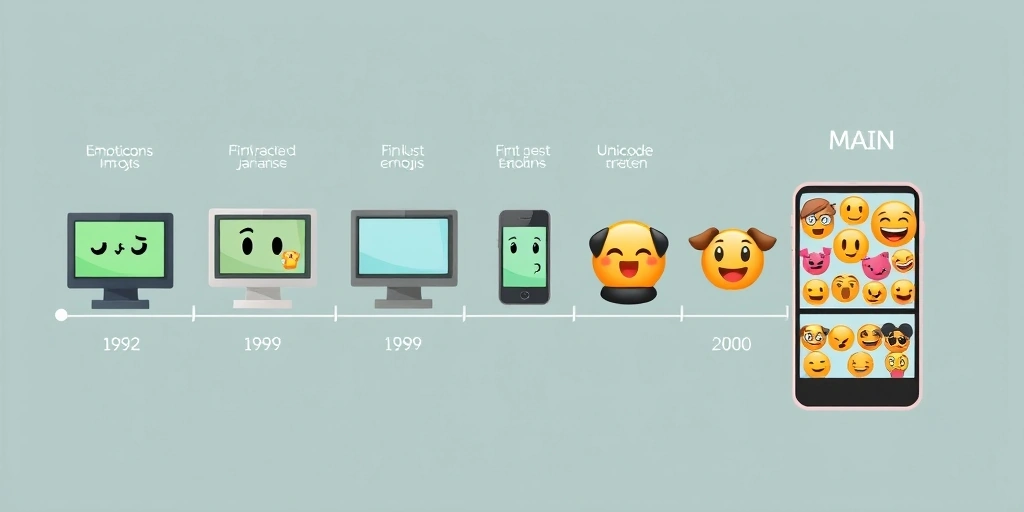
From Japan to the World: The Birth of Emojis
The true 'emoji' (a Japanese portmanteau for 'picture' and 'character') emerged in Japan in the late 1990s. Shigetaka Kurita created the first set of 176 emojis for NTT DoCoMo's i-mode mobile internet platform in 1999. These early emojis were simple, pixelated images depicting everything from weather and traffic to feelings and food. They were designed to streamline communication and add emotional nuance to messages in a culture that valued brevity and non-verbal cues. The idea quickly gained traction, becoming an integral part of mobile communication in Japan.
Global Adoption and Unicode Standardization
The real turning point for emojis on a global scale came with Apple's iPhone in 2007, which included an emoji keyboard for Japanese users. When the keyboard was discovered by users outside Japan, the demand for these delightful little symbols surged worldwide. By 2010, the Unicode Consortium, the organization responsible for standardizing text characters across all software products, began encoding emojis. This crucial step ensured that an emoji sent from one device would appear correctly on another, regardless of the operating system or platform. This standardization was the catalyst for emojis becoming a truly global language. Today, you can find a vast emoji collection available for easy copy emoji and paste across various platforms.
Emojis as a Dynamic Language
Emojis are more than just cute pictures; they are a dynamic, evolving language that mirrors our society. They add context, emotion, and even humor to otherwise plain text. They allow us to convey complex feelings quickly, bridging cultural and linguistic gaps. The constant addition of new emojis, reflecting diversity, new professions, and changing social norms, demonstrates their power as a living language. From gender-neutral options to varied skin tones and representations of disabilities, emojis are continually expanding to be more inclusive and reflective of the world we live in. 
The Future of Emoji Communication
The journey of emojis from simple punctuation marks to a universal visual language is nothing short of fascinating. They have not replaced traditional language but have augmented it, adding layers of meaning and emotional depth to our digital conversations. As technology advances and communication styles continue to evolve, so too will emojis. They are a testament to human creativity and our innate desire to connect, understand, and express ourselves in ever more innovative ways. The future promises even more diverse, interactive, and expressive forms of these tiny, powerful symbols.
📒 Related Blogs
More...The Psychology of Emojis: What Your Favorite Icons Really Mean
Level Up Your Chats: How Emojis Turn Casual Conversations Into a Fun Game!
Beyond Smileys: Uncovering Unique & Lesser-Known Emoji Categories
The Instant Feeling: How Emojis Spark Our Quickest Emotional Reactions
More Than Just Fun: How Emojis Unravel the True Meaning in Busy Chats