The Psychology of Emojis: What Your Favorite Icons Really Mean

Dec 19,2025
In our increasingly digital world, emojis have become an indispensable part of how we communicate. From quick texts to social media posts, these tiny icons add layers of emotion, tone, and personality that plain text often lacks. But have you ever stopped to think about the deeper meaning behind your go-to emojis? It turns out, your favorite digital expressions can reveal a lot about your personality, communication style, and even your mood. Let's dive into the fascinating psychology behind these ubiquitous symbols and what they really mean.
The Universal Language of Emotion
Emojis transcend language barriers, acting as a universal shorthand for human emotions. A simple thumbs-up or a smiling face can convey understanding, agreement, or happiness far more quickly than words. Psychologists suggest that emojis help to compensate for the absence of non-verbal cues in text-based communication, mimicking facial expressions, gestures, and tone of voice. This makes our online interactions richer and less prone to misinterpretation.
Decoding the 😂 Face with Tears of Joy
Perhaps one of the most popular emojis, the Face with Tears of Joy (😂) is often used to signify extreme amusement. However, its usage can be more complex. For some, it's a genuine expression of finding something hilarious, while for others, it might be a go-to response to lighten a mood or even mask slight awkwardness. Research indicates that the prevalence of this emoji often reflects a desire to express strong, positive emotions, making digital conversations feel more lively and human. This emoji collection on emojilar showcases its versatility.
The Nuance of the 🤔 Thinking Face
The Thinking Face (🤔) is a master of subtlety. It can convey genuine contemplation, skepticism, curiosity, or even a hint of playful doubt. Its psychological impact lies in its ability to introduce a pause or a question mark into a statement, encouraging further thought or explanation. Using this emoji might suggest you're a person who values reflection and critical thinking, or perhaps someone who enjoys a bit of playful ambiguity in your messages. When you need to copy emoji for these nuanced expressions, platforms like emojilar are invaluable.
Beyond the Obvious: Cultural Context and Misinterpretations
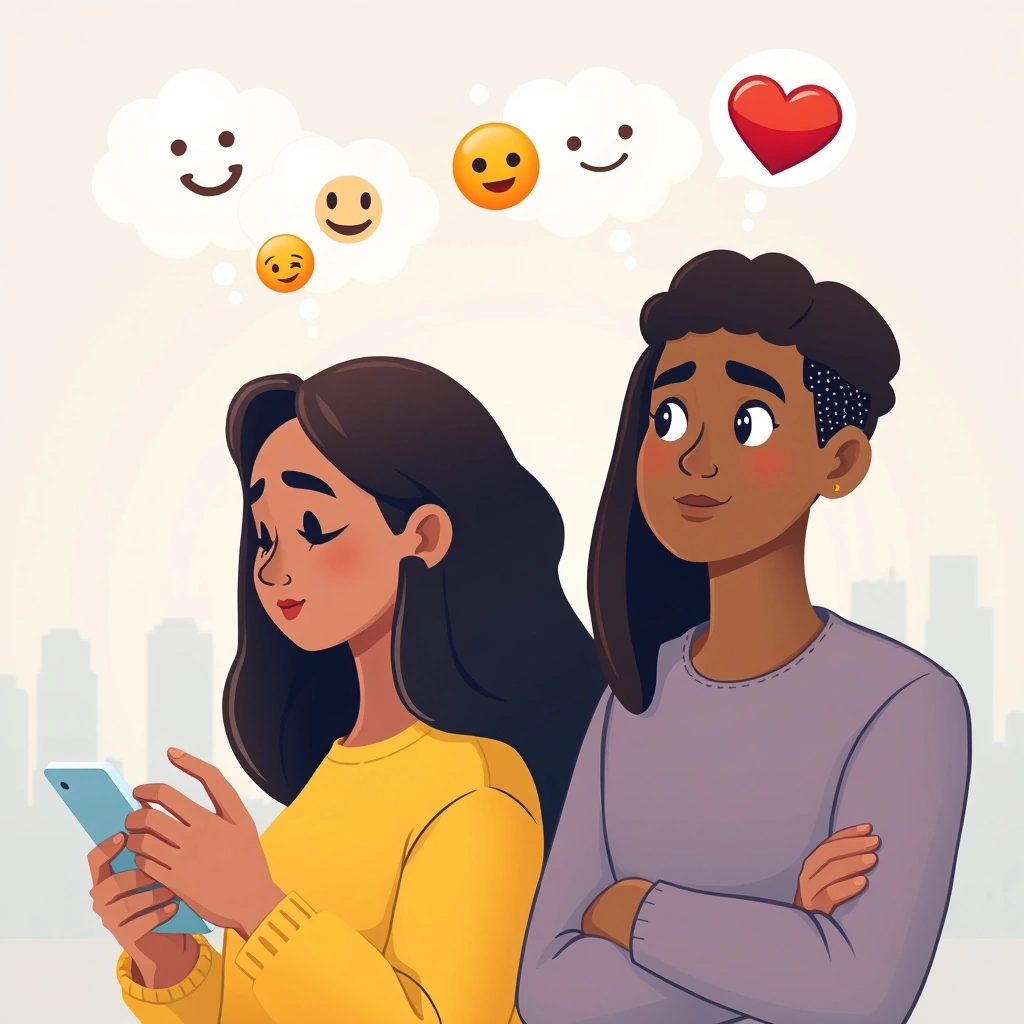
While many emojis have widely accepted meanings, their interpretation can vary significantly across different cultures and age groups. What one person considers a playful gesture, another might find sarcastic or even offensive. Understanding these subtle differences is key to effective digital communication. For instance, the 🙏 Folded Hands emoji is often interpreted as a prayer or gratitude in Western cultures, but in Japan, it commonly signifies a 'please' or 'thank you,' or even a high-five! Such variations highlight the importance of context and knowing your audience.
The Power of the ❤️ Red Heart
The Red Heart (❤️) is universally recognized as a symbol of love, affection, and strong positive emotion. Its psychological power lies in its directness and simplicity. Sending a red heart can instantly convey warmth, support, and connection, strengthening bonds in both personal and professional relationships. It's a powerful tool for expressing empathy and building rapport, making digital interactions feel more personal and heartfelt. Using Emoji online tools can help you find the perfect heart for any occasion.
Your Emoji Habits Speak Volumes
The specific emojis you favor, and how you use them, can offer fascinating insights into your personality. Do you prefer lighthearted, frequent emojis, or do you reserve them for significant emotional expressions? Your emoji repertoire might reflect your emotional openness, your desire to connect, or even your level of comfort with digital self-expression. Ultimately, emojis are extensions of ourselves in the digital realm, each one a tiny window into our thoughts and feelings.
Understanding the psychology behind these colorful icons not only makes us better communicators but also adds a deeper layer of appreciation for the language we've collectively built online. So, the next time you send an emoji, remember the subtle psychological currents at play!
📒 Related Blogs
More...How Emojis Turn Everyday Chats into Something Lighter
Beyond Likes: How Emojis Revolutionize Social Media Engagement & Marketing
That 'Whew!' Moment: How Emojis Whisper Relief in Our Private Chats
Beyond the Single Emoji: How Combinations Tell Your Full Story
When Words Aren't Enough: Decoding the Unspoken Feelings Emojis Convey in Delicate Exchanges
The Psychology of Emoji Use: Why We Can't Stop Tapping Icons