When Words Aren't Enough: Decoding the Unspoken Feelings Emojis Convey in Delicate Exchanges

Jan 16,2026
In our increasingly digital world, communication has become a tapestry woven with text, images, and, perhaps most powerfully, emojis. We often think of emojis as simple additions, a quick way to show a smile or a laugh. But beyond the obvious, these tiny icons carry a profound, silent language, especially during sensitive exchanges. They're the quiet whisper, the gentle nod, or the empathetic glance that words alone can rarely achieve.
Think about it. How many times have you stared at a message, trying to decode its true intent? A plain "Okay." can feel dismissive, neutral, or even passive-aggressive, depending on your mood. Add a simple smiling emoji – "Okay. 😊" – and suddenly, the whole tone shifts. It becomes reassuring, cooperative, or understanding. This isn't just about conveying overt happiness; it's about signaling a subtle comfort, a gentle acceptance of the situation without needing a lengthy explanation.
The Subtle Art of Softening the Blow
One of the most remarkable ways emojis shine is in their ability to soften the edges of difficult news or uncomfortable truths. Imagine needing to decline an invitation. A blunt "I can't make it" might land poorly. But "So sorry, I can't make it 😔" conveys genuine regret, a feeling of disappointment at missing out, rather than just a simple refusal. The tiny, downturned mouth speaks volumes, bridging the gap between obligation and genuine human feeling.
It’s these subtle emotional shifts that emojis excel at. They don't always scream drama; sometimes, they just offer a delicate hint of hesitation, a touch of sympathy, or a quiet acknowledgment that a situation is less than ideal. This unspoken layer is invaluable when you're trying to communicate warmth or empathy through a screen, where the absence of body language and vocal tone can so easily lead to misinterpretation.
Navigating Ambiguity and Bridging Gaps
The digital realm often leaves us yearning for the non-verbal cues present in face-to-face interactions. Is that text sarcastic? Is that question a genuine inquiry or a subtle critique? Emojis step in to fill these voids, acting as our emotional lifeline. They can transform a potentially sharp comment into playful banter, or a firm statement into a collaborative suggestion. For instance, "That's not quite right..." feels very different from "That's not quite right... 🤔". The latter invites thought and discussion, while the former might feel confrontational.
This power to clarify intent and inject human nuance is especially critical in group chats or professional messages that lean towards the informal. Emojis can prevent misunderstandings before they even begin, ensuring that the recipient understands the underlying sentiment. Want to explore more about how emojis help in these scenarios? You might find interesting insights in how emojis become your emotional lifeline in group chats.
When Words Fail: More Than Just Characters
There are moments when words simply feel inadequate. How do you express profound gratitude, deep sympathy, or heartfelt support without sounding cliché or overly formal in a text? Sometimes, a single emoji can convey more authenticity and sincerity than a meticulously crafted paragraph. A 🙏 can express prayer or deep appreciation, while a 🫂 offers a virtual hug that speaks volumes of comfort and solidarity. They cut through the noise, delivering a pure emotional message directly.
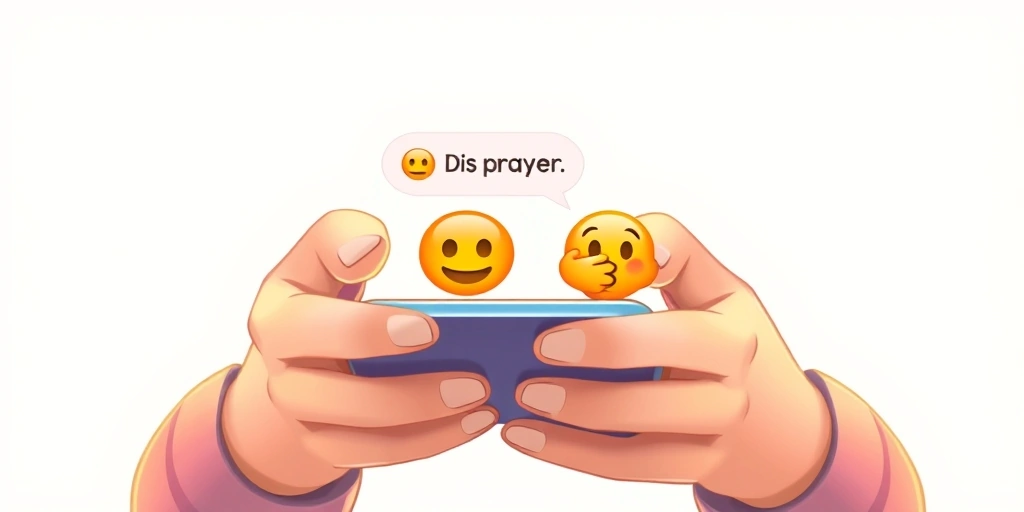
Consider the delicate nature of an apology. Saying "I'm sorry" is important, but often, the sincerity needs to be felt, not just read. Adding a 🥺 or a 😔 can underscore the genuine regret, the slight vulnerability that makes an apology truly resonate. It shows that you're not just going through the motions; you're feeling the weight of your actions and hoping for understanding.
Setting the Tone Without Speaking Aloud
Beyond individual messages, emojis play a vital role in setting the overall tone for an interaction or a discussion thread. In a casual team chat, a project update followed by a ✨ or a 🎉 can instantly convey excitement and positivity, encouraging engagement. Without it, the same update might feel purely transactional. This subtle tone-setting prevents potential misinterpretations, fostering a more collaborative and positive environment.
They also allow us to navigate potentially awkward situations with a touch of grace. If you're gently reminding someone about something, a "Just a friendly reminder 😊" is far less imposing than a stark "Reminder." It signals goodwill and maintains a light, approachable demeanor, making the message easier to receive. For more on how emojis adapt to various scenarios, you can explore the Emoji & Situation blog category on Emojilar.
The Gentle Check-In and Unspoken Support
Sometimes, in sensitive discussions, you don't want to demand a response or add pressure. You just want to offer a gentle presence, a quiet acknowledgment. A text saying "Thinking of you 🤍" or "Hope you're doing okay ✨" is a perfect example. The emoji here isn't asking for a reply; it's simply extending warmth and support, a silent gesture of care that respects the other person's space and feelings. It's an act of emotional intelligence, communicating that you're there, without being intrusive.
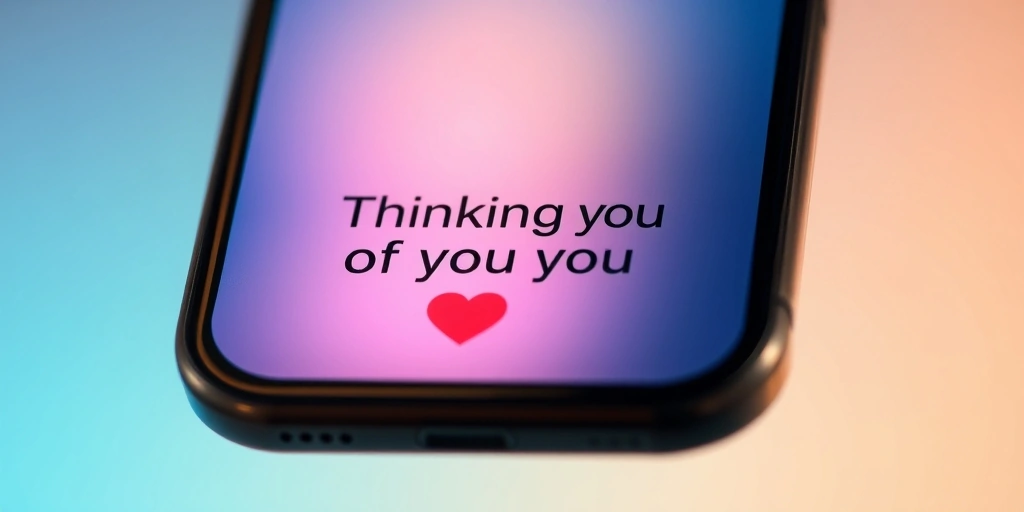
These small, iconic images allow us to communicate the delicate, unspoken currents of human feeling with surprising depth. They’re not just decorations; they are sophisticated tools for conveying empathy, clarifying intent, and adding a crucial layer of emotional intelligence to our digital interactions. So, the next time you're crafting a message, especially a sensitive one, remember the power of that tiny emoji. It might just be speaking more than you realize.
📒 Related Blogs
More...Beyond Text: How Businesses Are Revolutionizing Marketing with Emojis
The Mind's Shortcut: How Emojis Speed Up Our Digital Conversations
The Secret Life of Emojis: Decoding Their Hidden Meanings & Cultural Impact
The Power of Emojis: Shaping Online Identity and Self-Expression
Unlocking Tone: How Emojis Reshape Professional Message Interpretation
Beyond Words: How Emojis are Revolutionizing Global Communication