The Ever-Shifting Emoji Landscape: How Digital Trends Reshape Our Favorite Icons

Dec 26,2025
Ever felt a pang of confusion when someone uses an emoji in a way you just didn't expect? Or maybe you've noticed a familiar icon suddenly pop up with a completely new vibe? You're not alone. In our hyper-connected digital world, emojis are far from static. They’re living, breathing components of our language, constantly evolving, shifting, and taking on new personas as trends sweep across different platforms and communities.
It’s a fascinating dance, isn't it? What starts as a simple visual representation can quickly morph into a nuanced inside joke, a symbol of rebellion, or even an ironic statement, all thanks to the collective unconscious of millions of digital natives. The cultural context behind these tiny icons changes at lightning speed, often leaving us scrambling to keep up.
The Platform Effect: Where Emojis Find New Voices
Think about it: the same emoji can have wildly different connotations depending on where you encounter it. TikTok, with its rapid-fire trends and visual storytelling, often incubates new emoji meanings faster than any other platform. A phrase or a concept goes viral, and suddenly a previously innocent emoji becomes its shorthand. On the other hand, Twitter might offer a more text-driven, sarcastic interpretation, while Instagram often leans into aesthetic or aspirational uses.
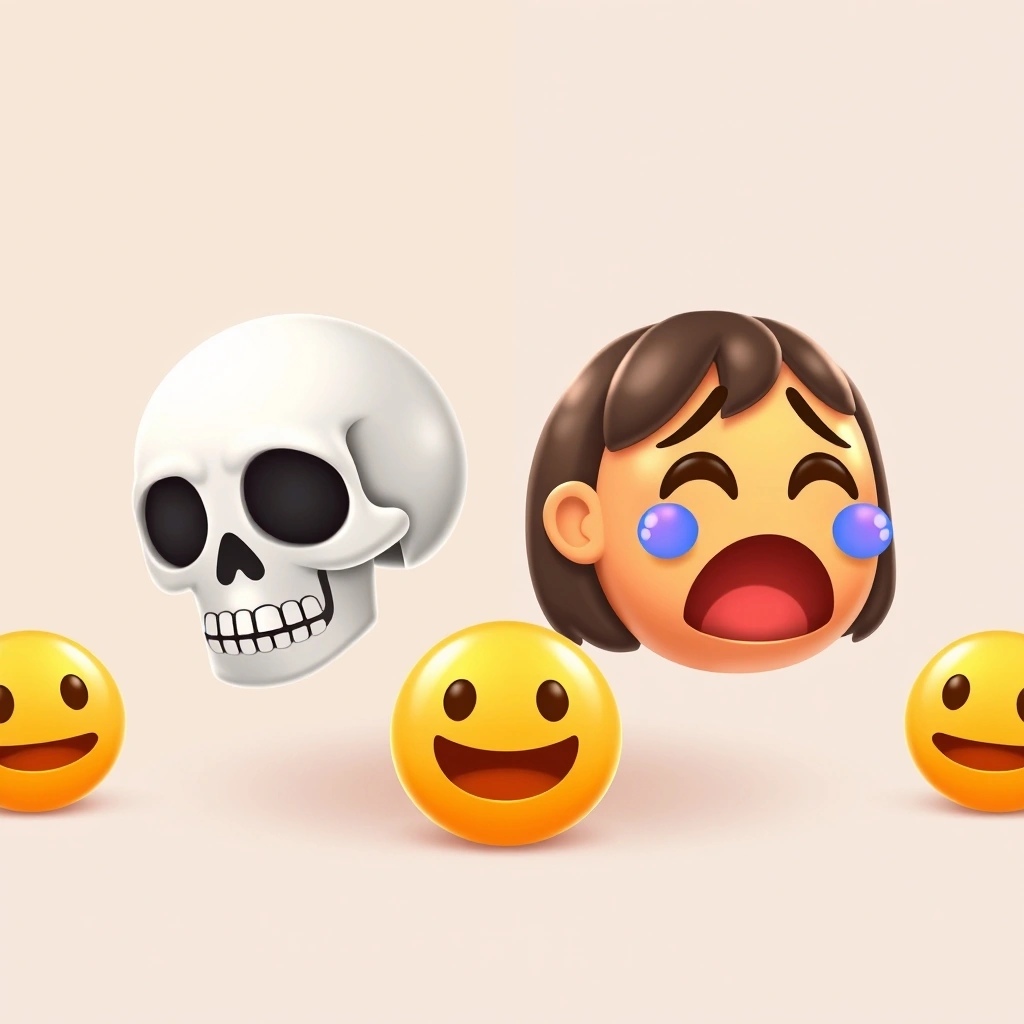
Consider the 💀 (skull emoji). Initially, it was pretty straightforward: death, danger, a pirate flag, perhaps. But somewhere along the line, particularly among younger demographics and on platforms like TikTok, it transformed. Now, it often signifies "I'm dead from laughing," "that's so funny I can't breathe," or "I'm overwhelmed (in a good way)." It's not about actual death; it's about an emotional extremity, a total K.O. by humor or shock. The context, the intent, and the platform all play a role in this remarkable semantic drift.
Then there's the classic 😂 (crying laughing emoji). For years, it was the undisputed king of conveying extreme amusement. But like all royalty, its reign eventually faced challenges. As it became ubiquitous, some users, particularly Gen Z, began to see it as "cheugy" or outdated, preferring alternatives like the 😭 (loudly crying face) to express intense laughter, often ironically. It’s not that the crying laughing emoji no longer means laughing; it’s that its *implication* shifted, carrying a subtle hint of being out of touch for certain audiences.
How Communities Shape the Digital Lexicon
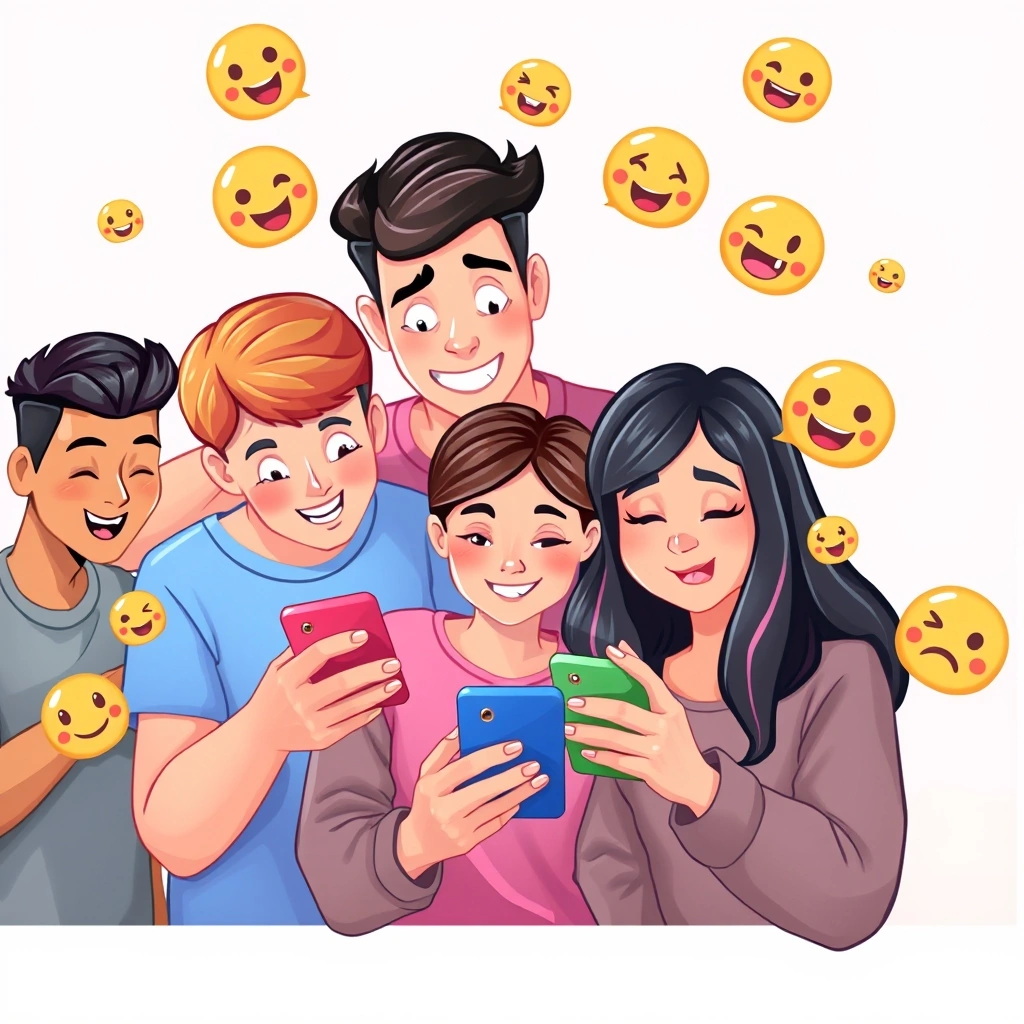
Beyond broad platform trends, smaller, niche online communities are incredibly powerful in coining new emoji meanings. Think of gaming communities, K-pop stans, or even specific fandoms for TV shows or books. Within these groups, certain emojis might take on highly specific, almost coded meanings that are completely opaque to outsiders. It’s a way of building solidarity, creating inside jokes, and signaling belonging.
For example, a certain character might have a distinctive hair color, and suddenly a green heart 💚 or purple heart 💜 becomes a subtle nod to that character or their associated group. These aren't documented in any official emoji dictionary; they're organic, grassroots transformations born from shared experience and collective affection. To fully grasp the nuances of modern digital conversations, you sometimes need to be clued into these micro-cultural shifts.
The Rise of Irony and Subversion
One of the most fascinating aspects of emoji evolution is the role of irony. Emojis, originally designed for clarity and direct emotional expression, are increasingly being used to subvert their own meaning. The 🙃 (upside-down face) is a prime example. While it literally depicts an upside-down smile, its common usage leans towards sarcasm, awkwardness, playful passive-aggression, or a "welp, that happened" resignation. It's a shrug and a smirk wrapped into one tiny icon.
This ironic usage isn't random; it reflects a broader cultural trend in digital communication where sincerity can sometimes feel vulnerable, and humor often comes with a layer of detachment. Emojis, in this context, become tools for complex emotional signaling, allowing us to convey multiple layers of meaning in a single tap.
Generational Divides and the Speed of Change
The pace at which these meanings change can also create a noticeable gap between generations. What seems obvious to a teenager might be utterly baffling to their parents, or even to someone just a few years older. It’s not just about knowing which emoji to use, but how to interpret the subtle, unspoken cues embedded in their current usage.
This dynamic nature of digital communication is part of what makes it so vibrant and alive. It means our shared lexicon is constantly being refreshed and reinvented. Staying aware of these shifts isn't just about being "hip"; it's about effective communication and understanding the unspoken language of the digital age. It's truly incredible how these tiny pictures have become such powerful carriers of cultural meaning, evolving almost daily. To dive deeper into the fascinating world where emojis and culture intersect with the latest online trends, you might find more insights by exploring our Emoji & Culture / Trends section.
Why Does This Matter?
Understanding these fluid meanings is crucial for anyone engaging in digital spaces, whether it's for personal communication, marketing, or even just casually browsing. Misinterpreting an emoji can lead to anything from a minor misunderstanding to a significant social faux pas. It highlights the importance of context, active listening (or active reading, in this case), and a willingness to adapt our understanding of language.
Moreover, the evolution of emojis mirrors broader societal shifts. They reflect our collective anxieties, our shared joys, our inside jokes, and our evolving sense of humor. The way we use and interpret these icons offers a unique window into the current pulse of digital culture, showcasing how communities adapt and innovate their communication tools.
Embracing the Ever-Changing Flow
So, the next time you see an emoji used in a way that makes you do a double-take, pause for a moment. Instead of assuming a mistake, consider that its meaning might have subtly shifted. It’s a testament to the dynamic, living nature of language in the digital age. Emojis aren't just symbols; they are a constantly updated shorthand for our collective experiences, always ready to take on new layers of meaning as our digital world continues to spin and innovate.
The beauty of this constant evolution is that it keeps our digital conversations fresh, dynamic, and endlessly expressive. It challenges us to be more observant, more adaptable, and more attuned to the subtle currents of online culture. It’s a continuous learning curve, but one that makes connecting with others online all the more rich and fascinating.
📒 Related Blogs
More...The Evolution of Visual Language: From Ancient Hieroglyphs to Modern Emojis
The Fascinating Evolution of Emojis: From ASCII Art to Global Communication
The Fascinating Journey: From Ideogram to Icon – The Evolution of Emojis
The Secret to Friendly Slack Messages? It's All in the Emoji
The Psychology Behind Emojis: Unlocking Our Digital Emotions