The Psychology Behind Emojis: Unlocking Our Digital Emotions

Dec 10,2025
In a world increasingly dominated by digital communication, emojis have emerged as a universal language, transcending linguistic barriers and adding a layer of emotion to our texts, emails, and social media posts. But why do we gravitate towards these tiny digital icons with such enthusiasm? The answer lies deep within human psychology. From expressing complex feelings to building rapport, emojis play a surprisingly significant role in how we connect online. Understanding the psychology behind them helps us appreciate their power and ubiquity. For a vast Emoji collection, you know where to look.
The Non-Verbal Cues of Digital Life
Humans are inherently social creatures, and a large part of our communication is non-verbal. In face-to-face interactions, we rely on facial expressions, body language, and tone of voice to convey meaning and emotion. However, these crucial cues are lost in text-based communication, often leading to misunderstandings or a perceived lack of warmth. Emojis step in to fill this void.
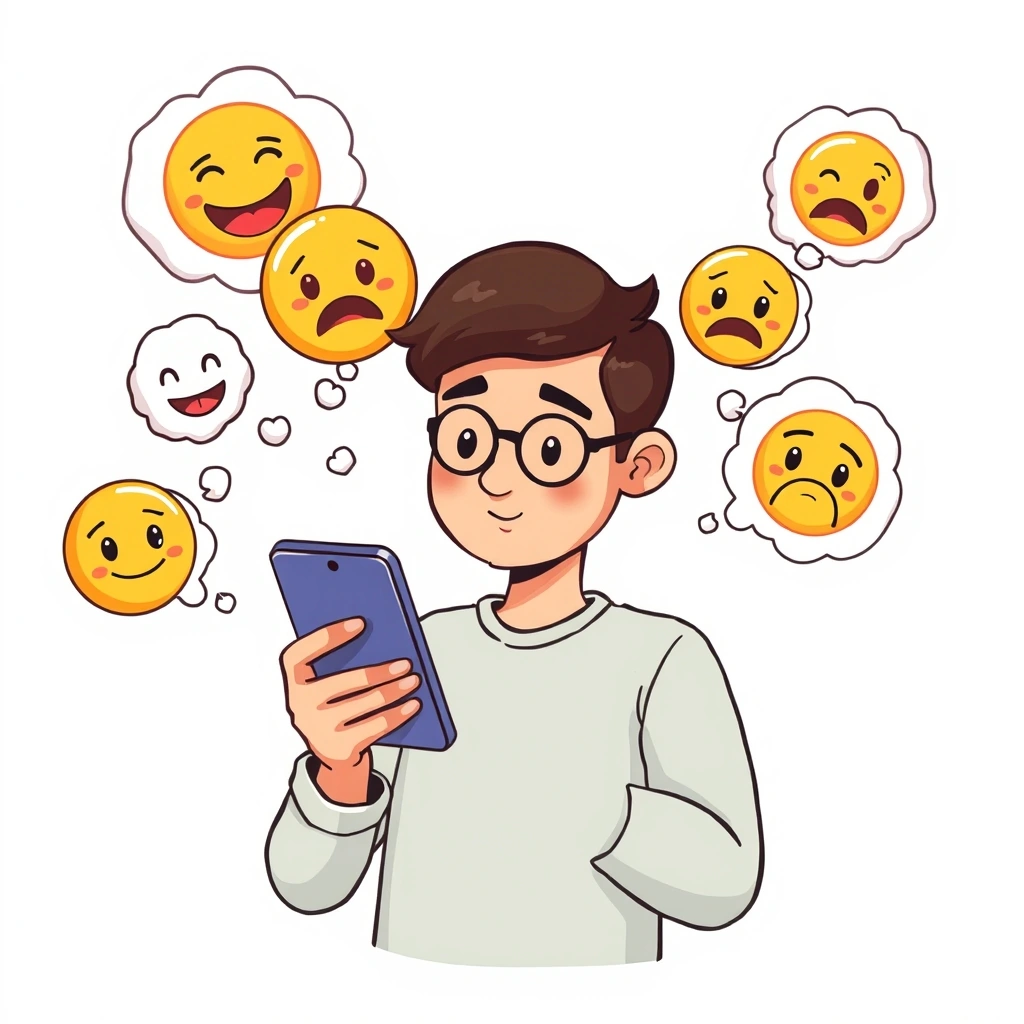
Bridging the Emotional Gap
Think about sending a simple text like "Okay." Without context or an emoji, it can sound curt, indifferent, or even annoyed. Add a grinning face emoji, and suddenly it's friendly and agreeable. Include a face with tears of joy, and it conveys amusement. Emojis act as digital proxies for our facial expressions, helping us to inject personality and intent into our messages. They allow us to communicate nuances that words alone might struggle to capture, making our digital conversations feel more human and expressive.
Emojis as Empathy Enhancers
Beyond simply conveying emotion, emojis also help in fostering empathy and understanding. When you see someone use a sparkling heart emoji, for instance, it's a clear signal of affection or support. This visual shorthand quickly communicates emotional states, helping recipients to better gauge the sender's feelings and respond appropriately. This is particularly vital in relationships where much of the interaction happens through screens.
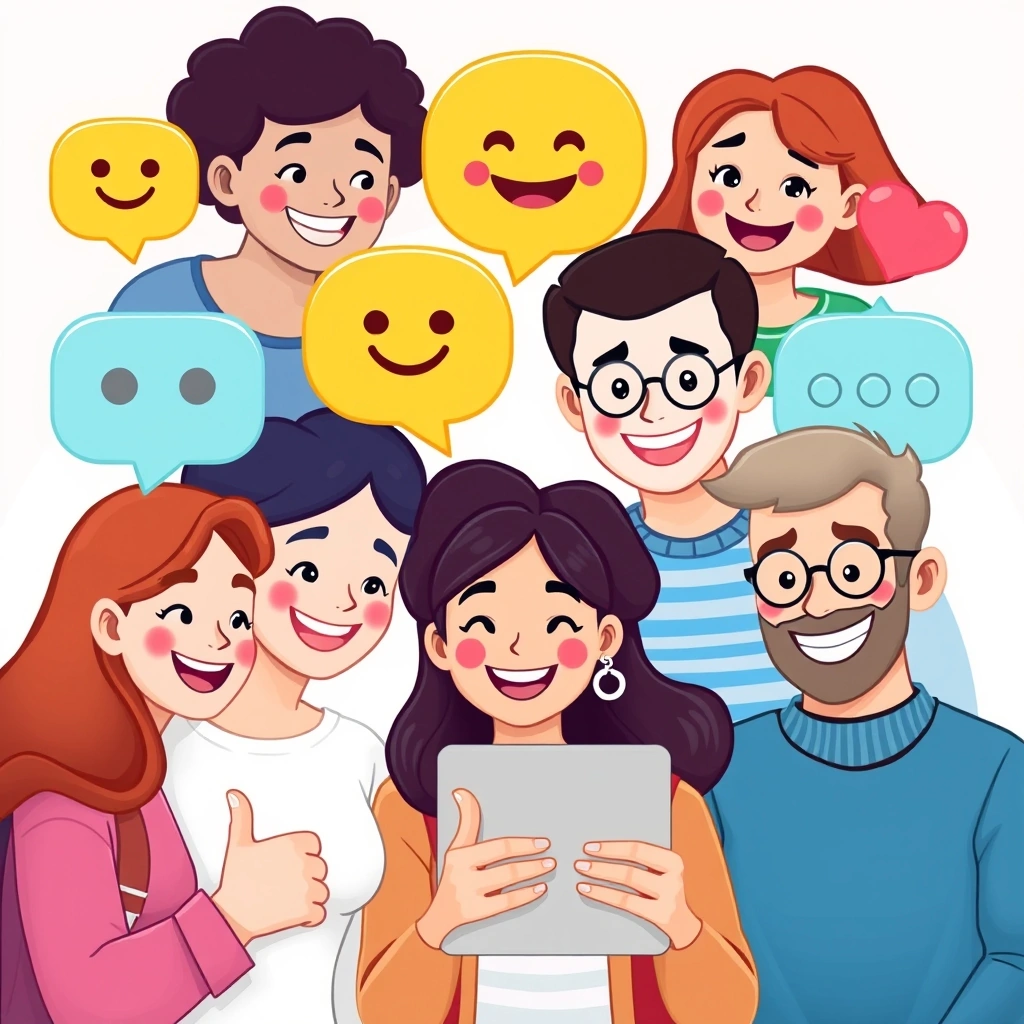
Building Rapport and Social Connection
Research suggests that using emojis can make messages seem friendlier and more personable. They can soften critical feedback, lighten serious topics, and even improve comprehension in a professional context when used appropriately. People who use emojis are often perceived as more approachable and empathetic. This ability to build rapport and strengthen social bonds is a key psychological driver behind their widespread adoption across all demographics. If you need to copy emoji for your next chat, Emjolar is a great resource.
The Cognitive Impact of Emoji Use
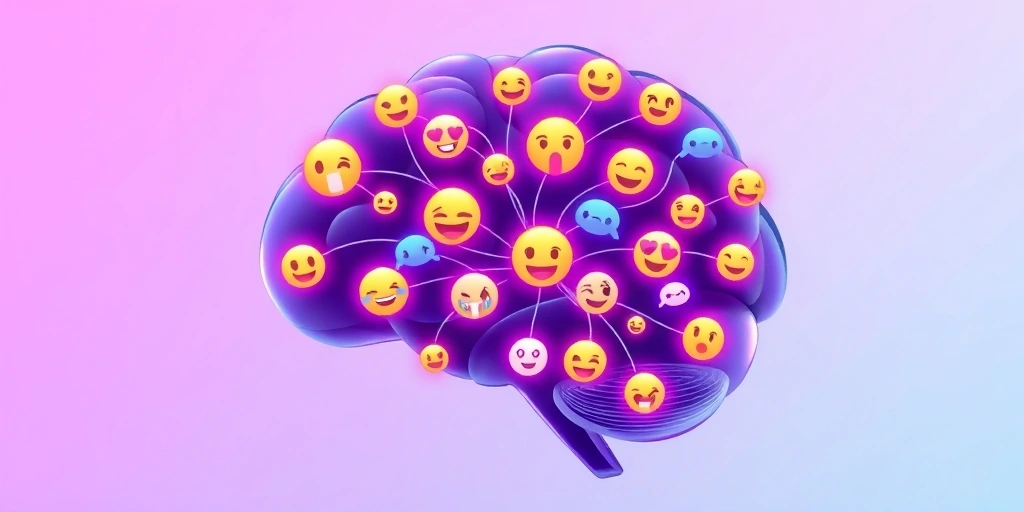
Our brains process emojis similarly to how they process real faces. Studies using fMRI have shown that when we look at a smiling emoji, the same parts of our brain light up as when we see a human smile. This immediate emotional recognition makes emojis incredibly powerful tools for communication. They require less cognitive effort to interpret than text, allowing for quicker and more efficient emotional processing.
Expressing Identity and Playfulness
Emojis also provide an outlet for self-expression and playfulness. They allow us to infuse our digital persona with character, humor, and individuality. From trending emojis to personal favorites, our choice of icons can say a lot about who we are and how we want to be perceived online. This element of creative expression is another compelling psychological reason why we just can't stop using them.
Ultimately, emojis are more than just cute icons; they are essential psychological tools that enrich our digital interactions. They help us convey emotions, build connections, and express ourselves in ways that pure text often cannot. As digital communication continues to evolve, the psychological power of emojis will only grow, making them an indispensable part of our everyday lives. For an easy way to paste emoji, check out emojilar.com.
📒 Related Blogs
More...The Unspoken Moderators: How Emojis Steer the Conversation in Online Communities
The Unspoken Comfort: How Emojis Bridge Emotional Gaps in Silence
The Unseen Hand: How Online Communities Shape Our Favorite Emojis
The Tiny Peacekeepers: How Emojis Calm Unexpected Reactions in Chat
The Friendly Nudge: How Emojis Keep Professional Messaging Human
Unmasking the Hidden Meanings: A Deep Dive into Popular Emojis