The Evolution of Visual Language: From Ancient Hieroglyphs to Modern Emojis

Dec 19,2025
From ancient caves adorned with enigmatic drawings to the modern smartphone screens flashing with vibrant icons, humans have always sought ways to express themselves beyond mere words. The journey of pictorial communication is a fascinating saga, showcasing our innate need to convey complex ideas and emotions through simple, universal symbols. It’s a story that bridges millennia, connecting our earliest ancestors to the digital natives of today.
Ancient Roots: The Dawn of Pictorial Expression
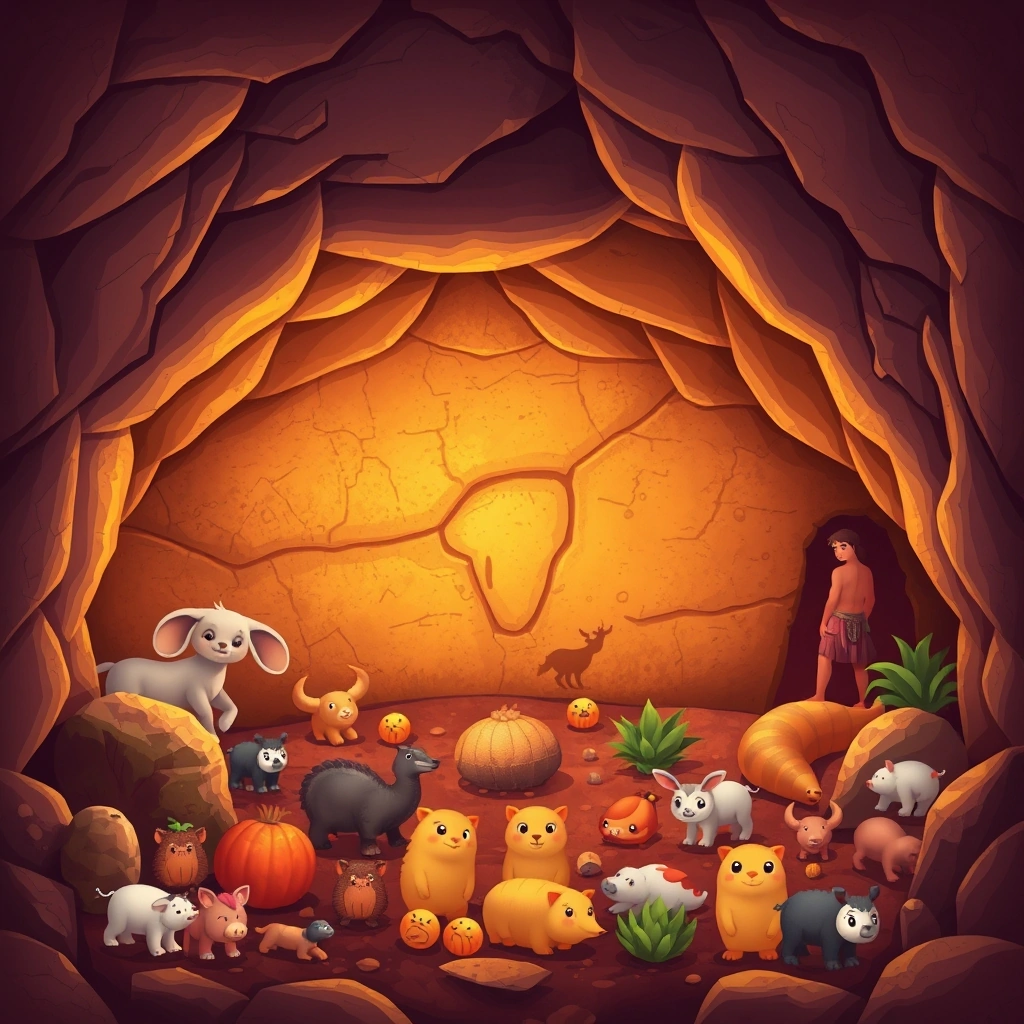
Long before written language, our forebears communicated through images. Imagine peering into the dimly lit chambers of Lascaux or Altamira; you'd find stunning cave paintings that narrate tales of hunts, rituals, and daily life. These aren't just artistic expressions; they are sophisticated forms of storytelling, capturing moments and meanings in a way that transcends time. This early visual language laid the groundwork for future systems, proving that a picture truly is worth a thousand words. Later, more structured systems emerged, like the intricate petroglyphs carved into rocks by various indigenous cultures across the globe. These symbols, often found in sacred sites, served not only as communication but also as spiritual records.
Egyptian Hieroglyphs: A Sophisticated System
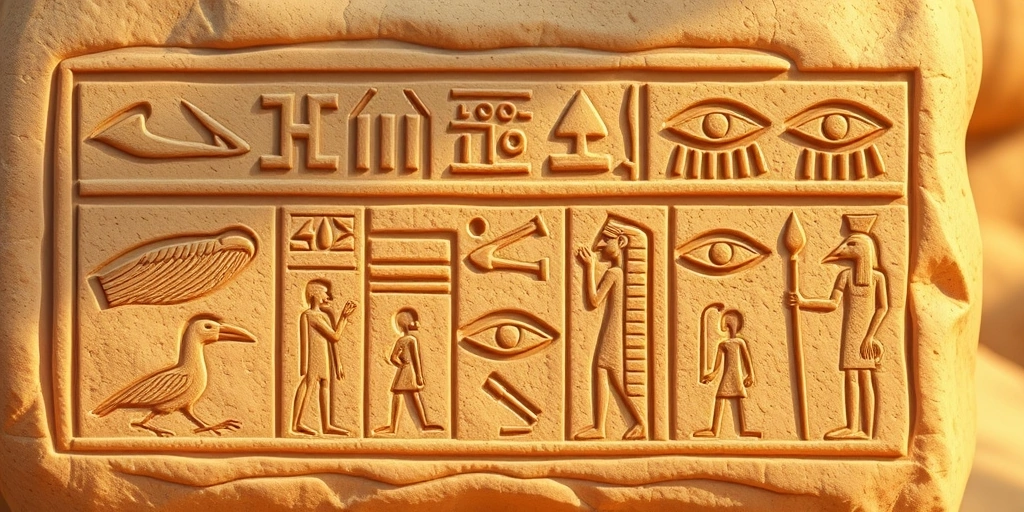
Perhaps the most iconic ancient pictorial script is the Egyptian hieroglyphs. Far more than just pretty pictures, these symbols represented sounds, objects, and concepts, forming a complex and beautiful written language. From the majestic pyramids to delicate papyrus scrolls, hieroglyphs preserved the history, religion, and daily lives of an entire civilization. They demonstrate an early understanding that visual elements could carry deep linguistic and cultural significance – a precursor to how we interpret symbols today.
Bridging the Gap: From Print to Pixels
For centuries, written communication evolved through alphabets and printing presses. Yet, the human desire for visual shorthand persisted. The 20th century, with its technological boom, began to see the resurgence of pictorial communication in new forms.
The Rise of Emoticons: ASCII Art and Beyond
The dawn of the internet brought with it a new challenge: how to convey tone and emotion in text-only communication. The solution? Emoticons! Simple character combinations like :) for happiness or :( for sadness became universally understood. These ASCII art creations, born from the limitations of early digital platforms, were the immediate ancestors of our modern icons. They proved that even with basic tools, the human mind would find a way to add a personal, emotional touch to messages.
Japan's Influence: The Birth of Emoji
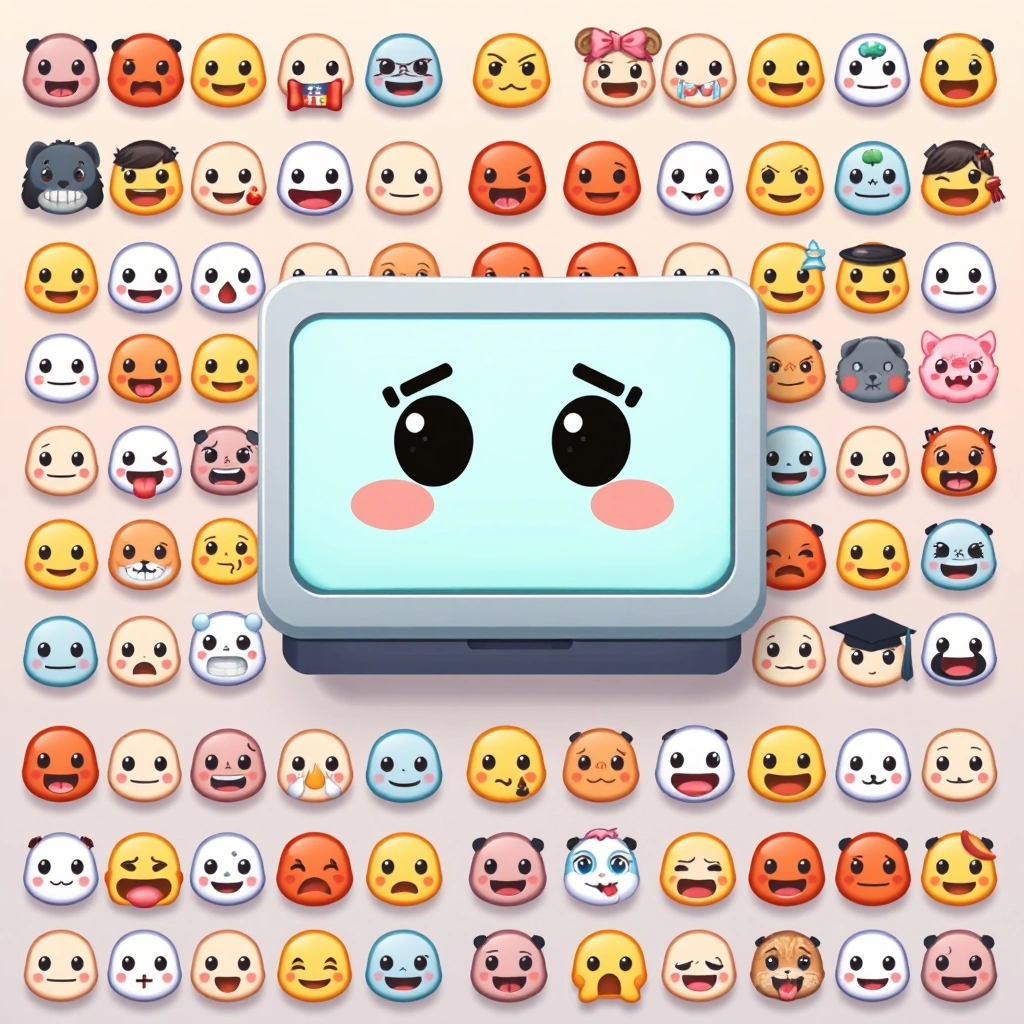
The term "emoji" itself is Japanese, a portmanteau of "e" (picture) and "moji" (character). In 1999, Shigetaka Kurita of NTT DoCoMo created the first set of 176 emojis for mobile phones. These vibrant, small images were designed to make communication richer and more expressive on the company's i-mode platform. They included everything from weather symbols to heart shapes and faces. This groundbreaking Emoji collection quickly captured the public's imagination, especially among younger users, setting the stage for a global revolution in digital expression.
The Modern Emoji Explosion: A Global Phenomenon
What started as a niche Japanese feature soon became a global standard. The inclusion of emojis in Unicode, the universal character encoding standard, in the early 2010s was the pivotal moment. This meant that emojis could be displayed consistently across different devices and platforms, truly unlocking their potential.
Expanding the Lexicon: Unicode and Diversity
Today, the emojilar universe is vast and ever-growing. Thousands of distinct emojis cover every conceivable category: emotions, objects, activities, animals, food, flags, and more. The push for diversity has led to emojis with various skin tones, gender options, and inclusive representations, ensuring that this visual language truly reflects the global community that uses it. When you need to Copy emoji for your messages, the choices are endless.
Emoji in Everyday Life: Expressing the Unspoken
Emojis are no longer just an add-on; they are integral to how we communicate. They add nuance, humor, and emotion that plain text often lacks. A simple ❤️ can convey love, gratitude, or support without a single word. A well-placed 😂 can turn a potentially dry message into a moment of shared laughter. From quick reactions to complex narratives, emojis have become an indispensable part of our digital vocabulary, allowing us to express the unspoken and connect more deeply in our fast-paced online world.
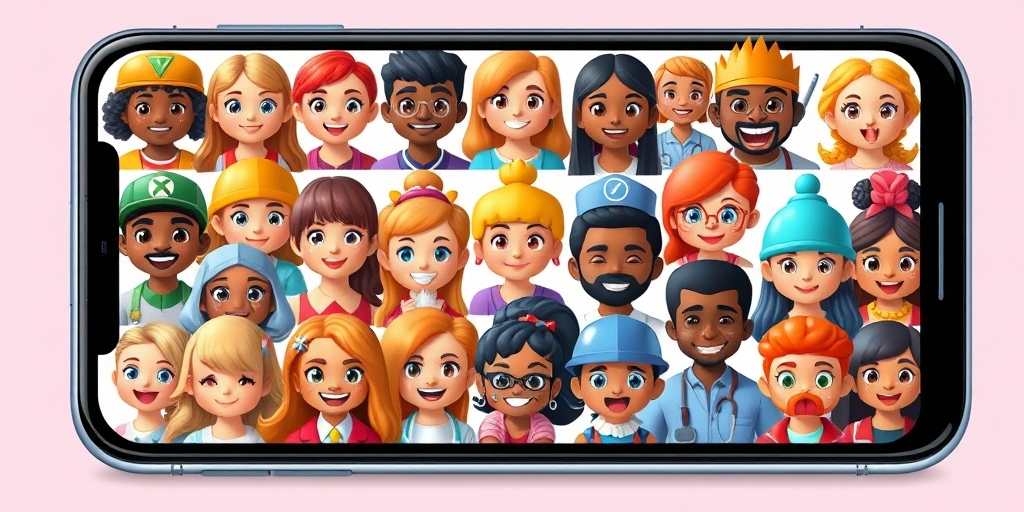
The journey from ancient hieroglyphs etched in stone to the vibrant array of emojis on our screens is a testament to humanity's enduring quest for efficient and expressive communication. As technology evolves, so too will our visual language, continuing to adapt and reflect the nuances of human experience. What new forms of pictorial communication await us in the future? Only time will tell, but one thing is certain: images will remain at the heart of how we connect.
📒 Related Blogs
More...The Friendly Nudge: How Emojis Keep Remote Work Human
Unlocking the Code: How Emoji Pairs Secretly Reshape Your Social Media Comments!
The Ever-Shifting Emoji Landscape: How Digital Trends Reshape Our Favorite Icons
Beyond Reaction Buttons: How Emojis Drive Social Impact and Global Change
How a Simple Emoji Can Save Your Busy Workday
Why Emojis Are Your Secret Weapon for Smoother Status Updates and Happier Team Chats