The Friendly Nudge: How Emojis Keep Remote Work Human

Jan 27,2026
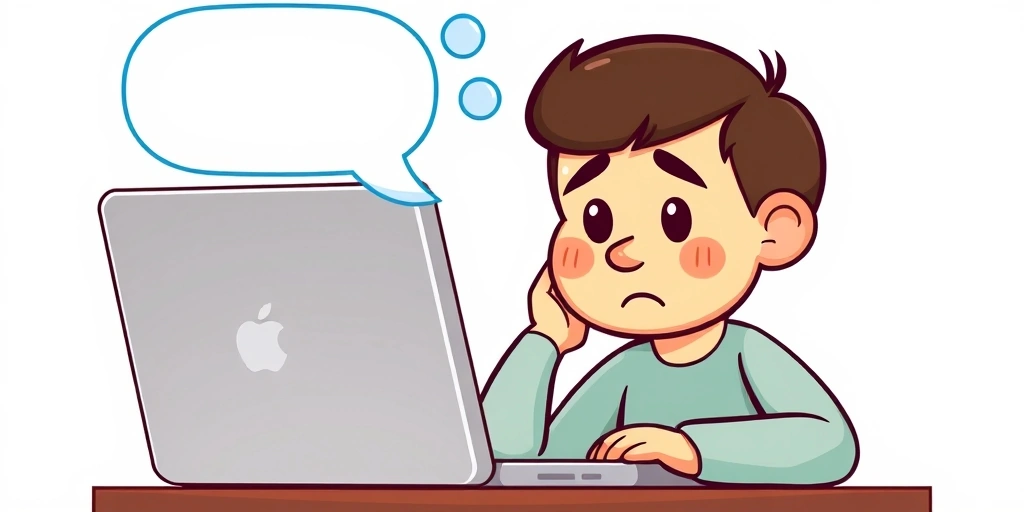
It’s 3 PM on a Wednesday. Your screen is a mosaic of open tabs, and a new message pings into the team channel. It reads: "Can you review the Q3 report draft by EOD?" You pause. The request is clear, professional, and utterly devoid of tone. Is your colleague stressed? Is this a gentle reminder or an urgent demand? In an office, you’d glance over, see their expression, and know instantly. Remotely, you’re left guessing. This is the silent gap where emojis don’t just decorate—they communicate.
We’ve all been there. The shift to remote and hybrid work didn't just change where we work; it stripped away the thousand tiny signals that make professional interaction human. The quick smile after a request, the nod of understanding in a meeting, the supportive glance during a tough presentation. Our messages now carry the full weight of our intent, and plain text is a notoriously leaky vessel for nuance.
This is where the humble emoji performs its quiet magic. It’s not about being unprofessional or childish. It’s about precision. Adding a simple 🙂 to that request—"Can you review the Q3 report draft by EOD? 🙂"—completely reframes it. It becomes a collaborative ask, not a cold directive. It says, "I appreciate your help," without needing the extra sentence. In a world of back-to-back virtual meetings and overflowing inboxes, that efficiency of emotion is priceless.
Think about the most common, routine exchanges. A team member shares a complex document. Replying with "Got it, thanks" is fine. But "Got it, thanks 👍" adds a layer of acknowledged receipt and approval. It’s the digital equivalent of a thumbs-up across the desk. When someone solves a tricky problem in the chat, a "Nice work! 🎉" feels genuinely celebratory compared to plain text. These micro-affirmations build up over time, creating a fabric of positive interaction that combats the isolation of remote work.
The power lies in their ability to soften edges and clarify intent. Sarcasm is a notorious troublemaker in text. A comment like "Great job on that presentation" could be sincere or scathing. Tag a 😉 or a 😄 on the end, and the ambiguity vanishes. Emojis act as tone indicators, guiding the recipient to the correct emotional context. They prevent the dreaded "wait, are they mad at me?" spiral that can follow a tersely worded message.
Beyond the Basic Smiley
While the smiley face is the workhorse, the emoji toolkit for professionals is surprisingly deep. The 🙏 can express sincere thanks or a polite request. The 🤔 indicates you're pondering a question, signaling thoughtful engagement rather than ignored silence. The 📈 and 📉 instantly contextualize messages about metrics. A 🔄 on an update tells everyone a process is in motion. For more on using emojis to maintain a professional yet approachable tone, you might find our article on The Neutral Nod helpful.
This isn't about turning every message into a cartoon. It’s about strategic punctuation. A well-placed emoji can often replace a whole awkward sentence of emotional labor. Instead of writing "I know this is a lot to ask, and I don't mean to pile on, but if you have a moment..." you can send "Could you take a quick look at this when you can? 🙏" The sentiment is conveyed instantly and effectively.
The Rhythm of Recognition
This practice also fosters a culture of recognition. In a physical office, you might stop by someone's desk to thank them. Remotely, that moment can get lost. A quick "Thanks for jumping on that so fast! ⚡" in the public channel does two things: it genuinely thanks the individual, and it publicly reinforces positive behavior for the whole team. It’s a tiny, powerful act of community building.
Of course, context and culture are everything. What works for a creative startup might not fly in a formal corporate legal department. The key is to observe and mirror the established tone of your team and organization. Start small and see how it lands. Often, using emojis gives others implicit permission to do the same, gradually warming the communication climate.
At its heart, this is about remembering we’re talking to people, not just usernames. Emojis are the body language of the digital workplace. They help us express the kindness, the urgency, the gratitude, and the camaraderie that text alone can swallow. They are the friendly nudge, the virtual pat on the back, the shared smile across miles of fiber-optic cable. In the relentless stream of pings and notifications, they help us stay human. For deeper insights into bringing clarity to team updates, explore our piece on how emojis bring clarity to project updates.
So next time you’re about to send a bare-bones message, pause. Consider the emotional subtext. Would a single emoji make your meaning clearer, your tone warmer, your connection stronger? Chances are, it will. And that’s not just good communication—it’s good for people. And you can find more thoughts on navigating this balance in our broader Emoji & Work collection.
📒 Related Blogs
More...Stop Misunderstandings: How Emojis Make Your Team Chats Crystal Clear & Boost Connection
Beyond Text: How Emojis Shape Your Digital Identity Online
The Exciting Future of Emojis: New Characters, Animation, and AR Integration
Decoding New Emojis: Unveiling Hidden Meanings and How to Use Them
The Quiet Sigh: How Emojis Express Disappointment When Words Feel Too Risky