The Instant Feeling: How Emojis Spark Our Gut Reactions

Jan 30,2026
Think about the last time you got a text. Maybe it was a simple "okay" from a friend. Now, picture that "okay" followed by a thumbs-up emoji 👍. Feels fine, right? Supportive, even. Now, imagine the same "okay" but this time it's paired with a period and the grimacing face 😬. Your stomach probably did a little flip. In less than a second, your entire emotional read of that message—and your friend's mood—completely changed. That's the power of emojis in action.
We often don't realize how automatically our brains make these snap judgments. It happens faster than we can consciously think about it. An emoji arrives, and instantly, a feeling is triggered: warmth, confusion, amusement, or anxiety. This isn't a flaw in how we communicate; it's a fundamental part of how our brains are wired to seek emotional context, especially when the rich cues of face-to-face conversation are stripped away.
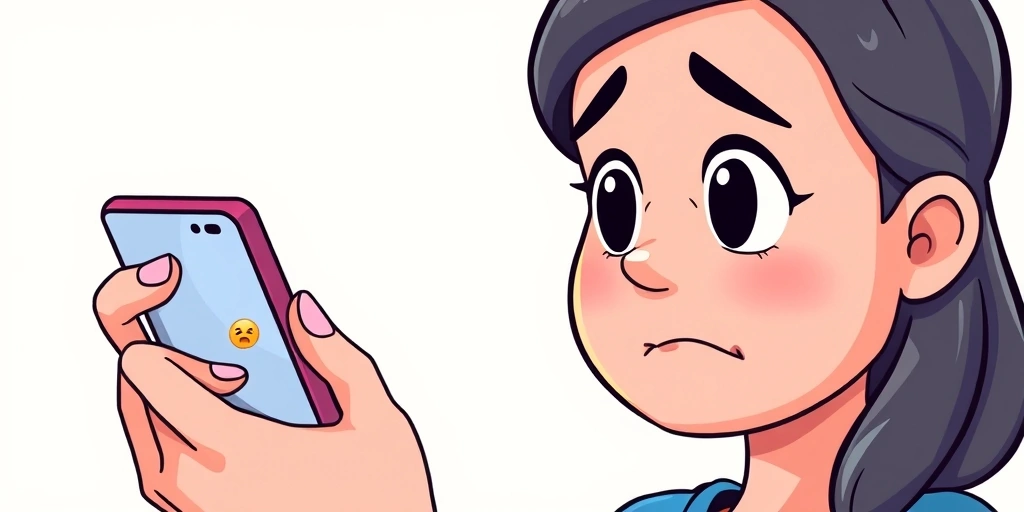
Our brains are incredible pattern-recognition machines, constantly scanning our environment for social and emotional signals to keep us safe and connected. When we talk in person, we have tone of voice, facial expressions, and body language. In a text message, all of that is gone. We're left with plain, emotionally flat words on a screen. Our brain, craving that missing context, latches onto the next best thing: the emoji. It serves as a rapid-fire emotional proxy, filling in the gigantic blanks that text leaves behind.
This process is largely subconscious. You don't see a smiling face with heart-eyes 😍 and deliberately think, "Ah, the sender is expressing affectionate joy." You just feel the warmth and affection. Conversely, a single eye-roll emoji 🙄 can inject a dose of sarcasm or disdain so potent it can override the literal meaning of the words around it. The judgment is immediate and emotional, not analytical.
Why Speed Matters in Digital Talk
This speed is crucial for the flow of everyday conversation. Messaging is fast. We don't have time to write lengthy essays explaining our emotional state with every sentence. The emoji acts as a high-speed emotional data packet, sent and decoded in a heartbeat. It keeps the conversation feeling fluid and human. When used well, emojis can prevent the misunderstandings that make texting so fraught. That winking face 😉 can instantly signal a joke, preventing a well-intentioned tease from being read as an insult.
However, this very speed is also what makes emojis so powerful—and sometimes perilous. Because the judgment is so quick, it's also prone to bias and personal interpretation. Your "crying laughing" face 😂 might be my "slightly hysterical and overwhelmed" face. The context of your relationship, your current mood, and even your cultural background all filter that instantaneous reaction. You can learn more about these unspoken rules in our article on how emojis shape what we really mean.
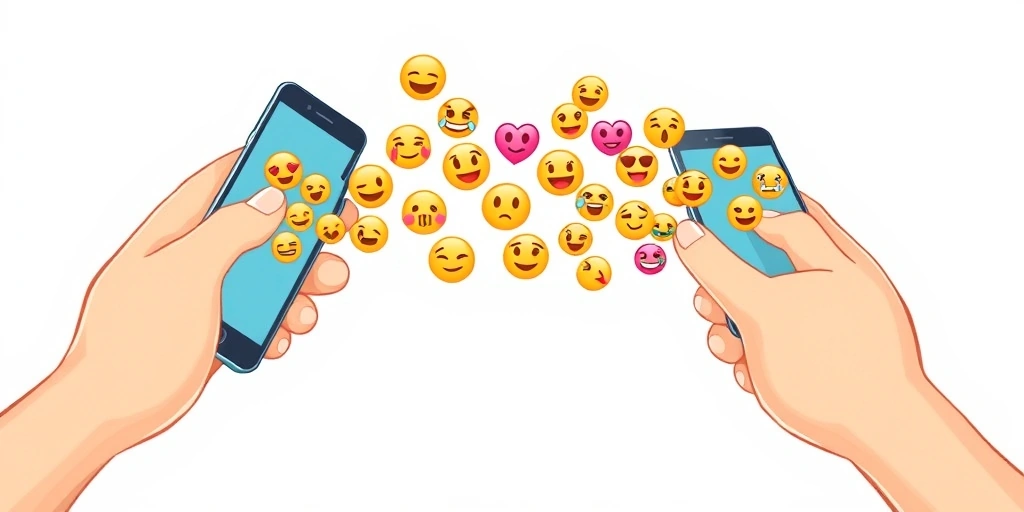
The Double-Edged Sword of the Quick Judgment
The automatic nature of this process means we often don't question our initial emotional read. If a message with a certain emoji makes us feel dismissed or annoyed, we might carry that feeling forward into the rest of the conversation, or even into our perception of the person. We're reacting to the symbol's emotional payload, not pausing to consider alternative interpretations. Was that fire emoji 🔥 meant as "awesome" or was it a clumsy attempt to comment on a difficult situation? Our gut decides first.
This is why paying even a little attention to our emoji use can dramatically improve our digital communication. It’s about recognizing that we are, in essence, triggering emotional reactions in others with every tiny picture we send. Choosing a red heart ❤️ over a yellow heart 💛, or a grinning face 😀 over a slightly smiling face 🙂, is a conscious decision about the emotional tone we wish to set. We are quite literally curating the emotional subtext of our conversations.
Understanding this psychology doesn't mean we need to overthink every emoji. It simply brings awareness to a process that was always happening under the surface. Emojis are the body language of the digital age. They are the quick smile, the hesitant glance, the enthusiastic nod that we instinctively look for and react to. By acknowledging their power to spark instant feelings, we can use them more thoughtfully to connect, clarify, and bring a much-needed layer of human warmth to our typed words. For a deeper dive into how these symbols decode our feelings, explore our piece on the secret language of emojis.
So the next time you feel a quick pang of joy or a flicker of doubt from a text, take a second to look at the emoji. That little icon isn't just decoration; it's the key to understanding the lightning-fast emotional conversation happening just beneath the words.
📒 Related Blogs
More...Unlock the Fun: How Emojis Transform Your Chats into Playful Mini-Games!
How Emojis Keep Up with the Ever-Changing Digital World
Emoji's Global Reach: Unpacking Diverse Cultural Interpretations of Digital Icons
The Neutralizer: How Emojis Keep Work Feedback Professional & Productive
The Quiet Language of Family: How a Simple Emoji Says 'I'm Here'
From Kaomoji to Unicode: Tracing the Fascinating Evolution of Emojis