From Kaomoji to Unicode: Tracing the Fascinating Evolution of Emojis

Dec 11,2025
In the vast landscape of digital communication, few elements have had as profound an impact as the humble emoji. What began as simple text characters has blossomed into a universal language, allowing us to convey nuanced emotions, jokes, and cultural references with a single tap. But how did we get here? Let's embark on a fascinating journey, tracing the emojilar evolution from its rudimentary beginnings to the sophisticated 😄 smileys we use daily.
The Dawn of Digital Expression: Early Emoticons and Kaomoji
Before graphic interfaces, people found creative ways to express emotion through text. The earliest form was the emoticon, a portmanteau of "emotion" and "icon." Invented in 1982 by Scott Fahlman, the sideways smiley :) and frowny :( quickly became staples, offering a hint of tone in otherwise flat text. Around the same time, in Japan, a different visual language was emerging: kaomoji. Literally "face characters," kaomoji like (^_^) for happiness or (>_<) for pain, were unique because they could be read upright without tilting your head. They often used a wider range of characters to create more complex and expressive faces. 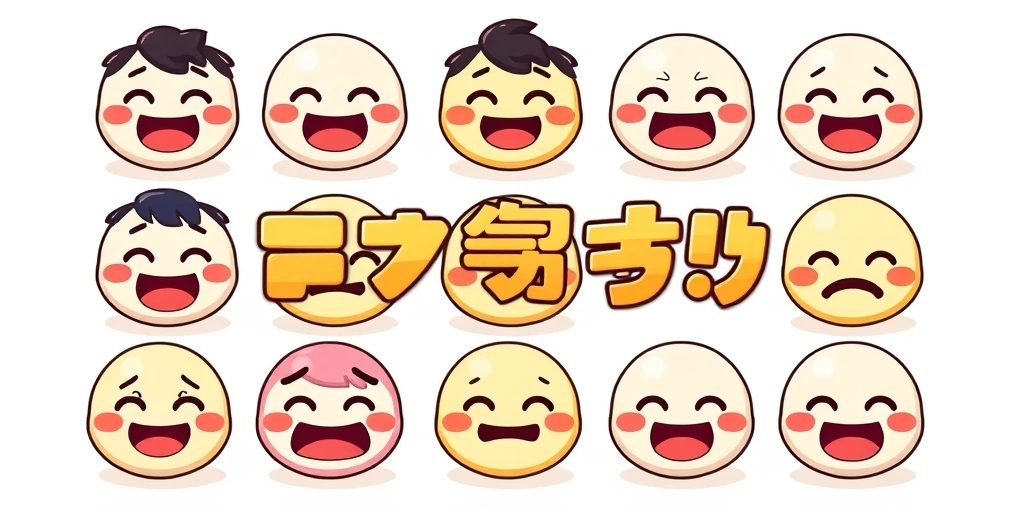
Japan's Pioneering Role: The Birth of Pictographic Emojis
The true precursors to modern emojis appeared in Japan in the late 1990s. Shigetaka Kurita, working for NTT DoCoMo's i-mode mobile internet platform, sought a way to make digital communication more engaging and expressive. He designed a set of 176 12x12 pixel images, drawing inspiration from manga, Chinese characters, and street signs. These small, colourful icons for things like weather, feelings, and objects were called "emoji"—a combination of "e" (picture) and "moji" (character). They were an instant hit, quickly spreading across Japanese mobile carriers and setting the stage for a global phenomenon. 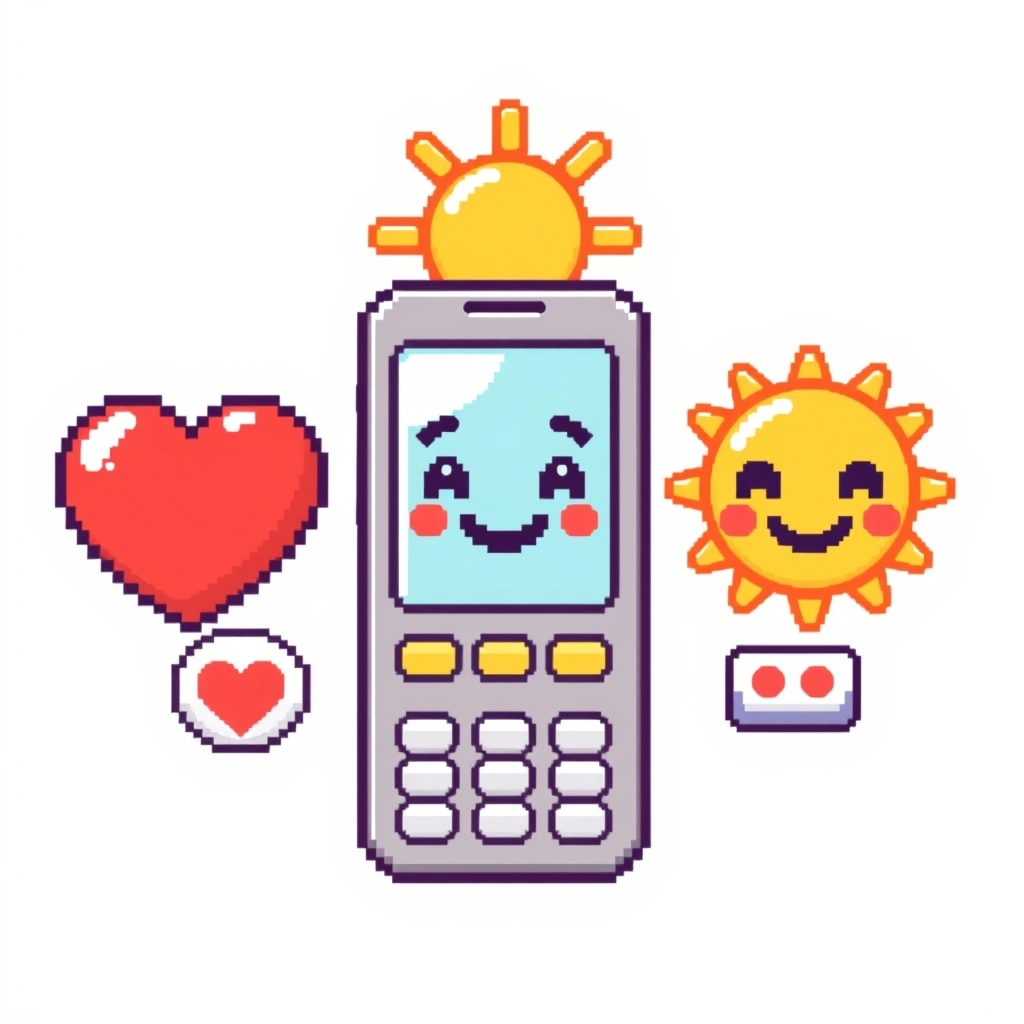
The Unicode Revolution: Globalizing Emoji Communication
For emojis to transcend regional mobile networks and become truly universal, they needed standardization. This came through the Unicode Consortium, a non-profit organization that assigns a unique number to every character across all languages and platforms. Apple played a crucial role, pushing for the inclusion of emojis in Unicode to support their iPhone's launch in Japan in 2007. Google also followed suit. By encoding emojis as standard characters, they could be displayed consistently across different devices and operating systems. The first major batch of emojis was adopted into Unicode 6.0 in 2010, including classics like the 👍 thumbs-up and many facial expressions. This standardization transformed emojis from a niche Japanese feature into a global Emoji collection accessible to everyone, everywhere.
More Than Just Pictures: The Impact and Evolution Continues
Today, emojis are an indispensable part of our digital vocabulary. They've evolved beyond simple icons, incorporating skin tone modifiers, diverse gender representations, and a vast array of objects, animals, and symbols. They help us convey tone, nuance, and personality in ways plain text often cannot, bridging cultural and linguistic divides. From reacting to news to ordering food, emojis enrich our online interactions, adding a layer of emotional depth that text alone struggles to capture. The ongoing introduction of new emojis reflects our ever-changing world and communication needs.  As our digital lives continue to evolve, so too will our beloved emojis, making communication more vibrant and expressive. For a comprehensive list and easy ways to copy emoji, visit our platform.
📒 Related Blogs
More...The Secret Language of Emojis: How a Tiny Smiley Face Changes Everything You Read
The Silent Misunderstanding: When Your Emoji's Message Gets Lost in Translation
The Hidden Impact of Emojis on Your Mental Health & Digital Well-being
Emojis in Marketing: How Brands Connect & Speak Your Language Digitally
The Silent Cheers: How Emojis Have Become Our Everyday Excitement Detectors
The Silent Language: How Emojis Fill the Gaps in Our Daily Texts