The Secret Language of Emojis: How a Tiny Smiley Face Changes Everything You Read

Jan 23,2026
Think about the last time you got a text that was just plain words. Maybe it was a simple "okay" or "sounds good." How did it land? Now, imagine that same message with a thumbs-up or a smiling face tacked on the end. It feels different, doesn't it? It's not just decoration. That tiny, colorful symbol is performing a subtle but powerful act of translation in your mind.
In our fast-paced digital world, we've lost the nonverbal cues that fill our face-to-face chats—the raised eyebrow, the warm smile, the sarcastic tone. Text strips all of that away, leaving behind a stark landscape of black and white letters. This is where emojis step in. They aren't just fun add-ons; they are essential tools for emotional clarity. They fill the void left by missing body language, helping to paint tone, intent, and feeling onto an otherwise flat canvas.
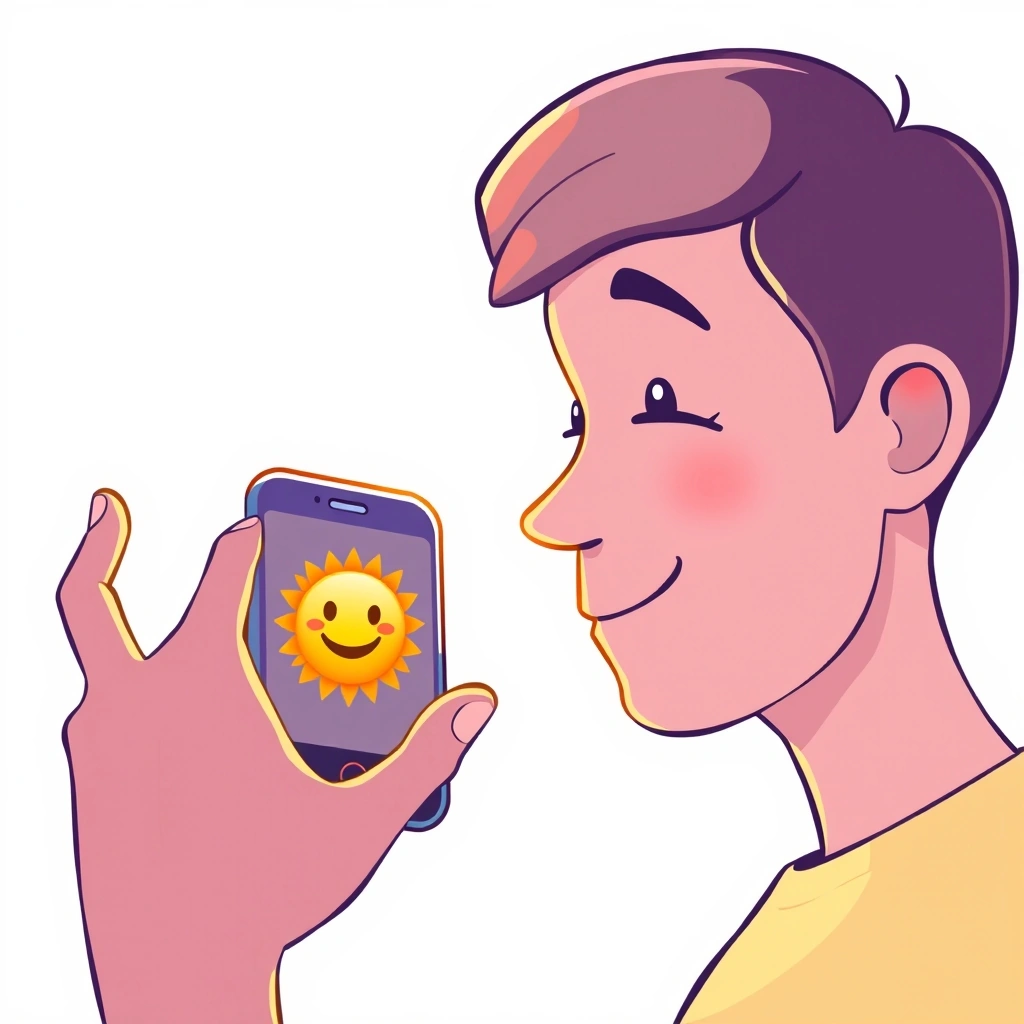
When you read a message, your brain is working hard to construct meaning. It's trying to answer questions like: Is this person joking? Are they annoyed? Are they being sincere? Without visual or auditory cues, this is guesswork. An emoji acts like a signpost, guiding your mental processing down a specific emotional path. A winking face can instantly signal playful sarcasm, turning a potentially confusing statement into a clear joke. A single red heart can transform a simple "thank you" into a message brimming with genuine gratitude.
This isn't just a feeling; it's a cognitive shortcut. Our brains are wired to process images faster than text. When you see an emoji, it triggers an immediate emotional and associative response. That response then colors how you interpret the words that accompany it. A message that might have seemed neutral or even cold becomes warm and friendly with the right emoji. It's like a splash of color on a black-and-white photo—suddenly, the whole picture has a different mood.
This effect is so potent that it can completely flip the meaning of a sentence. Consider the phrase "Great job." On its own, it could be genuine praise or passive-aggressive criticism. Add a clapping hands emoji, and it's unequivocally positive. Add a rolling eyes face, and the meaning inverts entirely. The emoji doesn't just modify the message; it often defines it.
The psychology behind this is fascinating. Emojis engage the same parts of our brain that process real human facial expressions. When you see a smiling emoji, it can activate neural pathways associated with recognizing happiness and social reward, creating a micro-moment of positive connection. This is why getting a heart reaction on a message can feel so validating—it's a direct hit of social affirmation.
Of course, this new language isn't without its pitfalls. Misinterpretation is always a risk. Is a single tear laughing face crying from laughter or sadness? The sender's intent and the receiver's perception don't always align, leading to the classic digital misunderstanding. The context of the relationship, the conversation history, and even cultural differences in emoji use all play a role in how that little picture is decoded.
What's clear is that emojis have become integral to how we build and maintain relationships online. They soften requests, amplify joy, express solidarity, and offer comfort. They allow us to be more emotionally present in a medium that is inherently distant. In a way, we are all learning to speak a new, hybrid language—one part word, one part symbol.
This blending of text and pictogram is reshaping digital conversation at a fundamental level. It's moving us beyond simple information exchange and towards something richer: emotional communication. For more on how these symbols rewire our interactions, you can explore related thoughts on how emojis rewire your brain's digital conversations.
So the next time you pause, finger hovering over the emoji keyboard, deciding whether to add that grinning face or that thoughtful one, remember: you're not just accessorizing your text. You're gently steering another person's mind, helping them hear the tone of your voice and see the look on your face, all through a single, universal symbol. It's a quiet, daily kind of magic that we've all learned to perform.
It makes you wonder, as this visual shorthand evolves, what new nuances of human feeling we might learn to convey without ever typing a word.
📒 Related Blogs
More...The Secret Language of Emojis: How They Soothe Our Digital Jitters
Unlocking Emotions: How Emojis Completely Transform How Your Messages Are Received Online
How Emojis Evolve: The Secret Language Shaping Our Digital Generations
The Journey of Emojis: From Japanese Kaomoji to a Global Digital Language
The Pulse of the Digital Age: How Emojis Mirror Our Collective Moods Online
The Unspoken Shield: How Emojis Absorb Social Tension in Delicate Moments