The Emotional Shortcut: How Emojis Rewire Your Brain's Digital Conversations

Jan 08,2026
Ever sent a text that felt... flat? Or received one where you couldn't quite tell if the sender was joking or serious? In the world of digital communication, where body language and vocal tone are stripped away, our brains work overtime trying to decipher meaning. This is where those tiny, expressive icons we call emojis come to the rescue, profoundly affecting how we mentally process every single message.
The Brain's Lightning-Fast Judgments
Our brains are incredible at making lightning-fast judgments. From a fleeting glance at someone's facial expression to the subtle inflection in their voice, we're constantly gathering cues to understand intent and emotion. When these crucial cues are absent in a text, our minds often jump to conclusions – sometimes the wrong ones. Emojis act like a digital shortcut, providing immediate emotional context that helps our brains process information more efficiently.
Emojis as Instant Emotional Cues
Think about it: a simple 'Okay' can sound dismissive or agreeable depending on the context. Add a 👍 or an 😊, and suddenly the meaning is crystal clear. Emojis aren't just decorative; they're powerful non-verbal signals packed into a single character. They mimic the frown, the smile, the wink, or the shrug that we'd naturally use in face-to-face conversations. This rich emotional input allows our brains to bypass the guesswork and instantly grasp the sentiment behind the words, making digital dialogues feel much more nuanced and human.
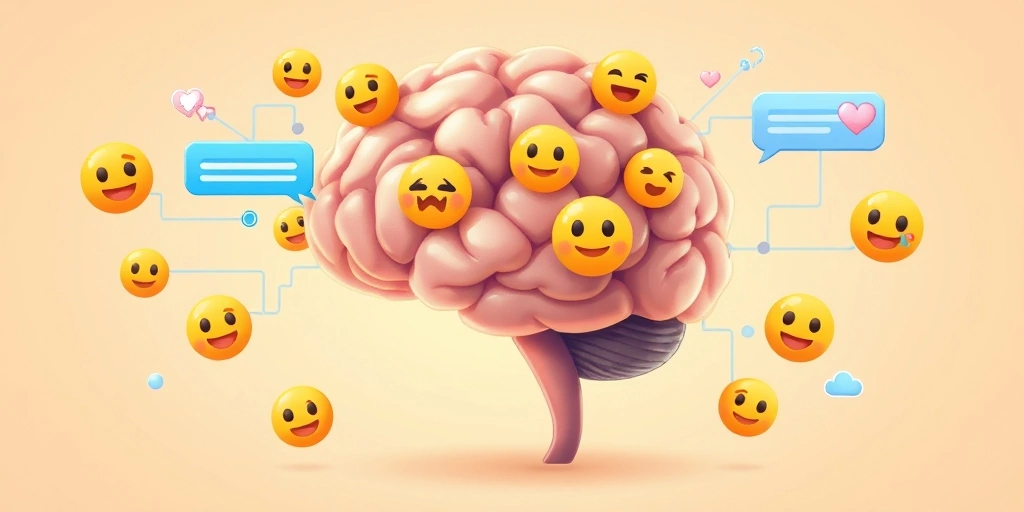
Streamlining Cognitive Processing with Emojis
Studies have shown that emojis can actually reduce the cognitive load when reading messages. Instead of analyzing every word for potential hidden meanings, our brains can quickly register the emoji and apply its emotional weight to the entire message. It's like a mental sigh of relief – less effort expended on interpretation, more on understanding the actual content. This streamlined processing makes digital conversations feel smoother, faster, and much more natural. It’s no wonder we use them so instinctively now. If you're curious about how they truly simplify our thoughts, check out Unlock Your Brain: How Emojis Instantly Streamline Your Digital Thoughts.
How Emojis Influence Perception
A sentence like 'I'm coming over' can be neutral, slightly threatening, or exciting. Attach a 🎉 and it's a celebration. Add a 😬 and it's an awkward surprise. The emoji acts as an instant modifier, shaping our entire perception of the sender's mood and intention. Our brains don't just add the emoji's meaning to the words; they re-evaluate the words *through* the lens of the emoji. This means emojis don't just convey emotion; they actively *frame* the message for the recipient, influencing how they feel about what they're reading before they've even finished the sentence.
Building Connection and Empathy Digitally
Beyond simple clarity, emojis play a vital role in building rapport and fostering a sense of connection. When you see a laughing emoji 😂 after a joke, it affirms that the sender found it funny and encourages you to reciprocate that feeling. It creates a shared emotional experience, making the digital interaction feel warmer and more personal. They bridge the gap of physical distance, making conversations feel less transactional and more human. It's all part of the subtle language of digital communication.
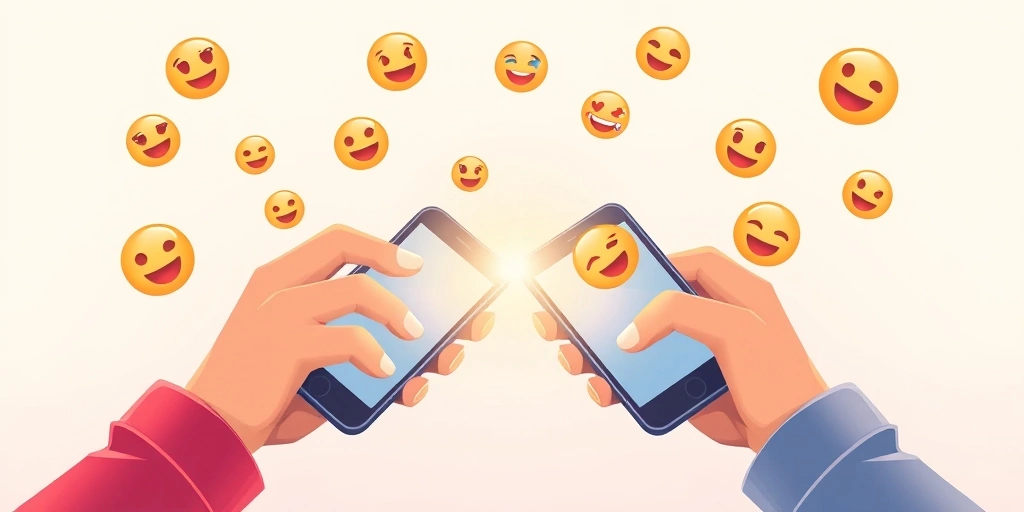
The Subtle Art of Shaping Reactions
The way emojis subtly shape our reactions is fascinating. A message that might seem harsh without an emoji can be softened by a gentle smile. A piece of bad news can be delivered with a comforting hug emoji, making it feel more empathetic. Our brains register these emotional nuances almost subconsciously, influencing our mood and how we choose to respond. This emotional intelligence, conveyed through tiny digital icons, is a testament to their power in modern communication. Delving deeper into this, you might find insight in The Hidden Language: How Emojis Subtly Shape Your Digital Reactions.
Acknowledging Misinterpretation (and Why Emojis Still Win)
Of course, like any form of communication, emojis aren't entirely foolproof. Cultural differences or individual interpretations can sometimes lead to misunderstandings. However, the overwhelming evidence suggests that in most cases, emojis enhance clarity and emotional resonance, making our digital interactions richer and more expressive. They provide a much-needed layer of context that dramatically reduces ambiguity.
The Ever-Evolving Language of Emojis
The evolution of emojis reflects our innate human need for emotional expression. They’ve gone from niche internet slang to an indispensable part of our daily conversations. As our digital lives become more integrated with our real ones, emojis will continue to evolve, offering even more nuanced ways to express ourselves and understand each other across screens. They are a testament to our adaptability and creativity in conveying complex feelings through simple symbols.
Ultimately, emojis are far more than just cute little pictures. They are cognitive tools that fundamentally alter how our brains process digital messages. They bring back the human element that text often strips away, allowing us to make quicker, more accurate judgments about intent and emotion. Next time you drop a quick 👍 or a heartfelt ❤️ into a message, remember the incredible work your brain is doing, translating those tiny icons into a rich tapestry of understanding. For more insights into the psychological impact of emojis, explore our Emoji & Psychology section.
📒 Related Blogs
More...Stop Misunderstandings! How Emojis Make Professional Messaging Crystal Clear
The Fascinating Journey of Emojis: From ASCII Art to Global Unicode Icons
Emoji Etiquette: Mastering the Unspoken Rules of Digital Communication
The Global Language of Emojis: Cultural Interpretations & Usage
The Unspoken Rules: How Emojis Quietly Manage Our Online Conversations
Why Emojis Are Your Secret Weapon for Smoother Status Updates and Happier Team Chats