The Global Language of Emojis: Cultural Interpretations & Usage

Dec 13,2025
In our increasingly interconnected world, emojis have emerged as a fascinating universal language, transcending traditional linguistic barriers. What started as simple emoticons has evolved into a rich vocabulary of icons, used daily by billions across the globe. Yet, despite their widespread use, the "global language" of emojis isn't always as straightforward as it seems. Cultural nuances often play a significant role in how these tiny images are interpreted, leading to both humorous misunderstandings and moments of genuine cross-cultural connection.
The Universal Appeal (and Pitfalls) of Emojis
Emojis offer a quick and effective way to convey emotion, tone, and even complex ideas without typing a single word. They add warmth, humor, and clarity to digital conversations, making them an indispensable part of modern communication. For many, to copy emoji and paste them into a message is as natural as breathing. However, what one culture perceives as a harmless or friendly gesture, another might find confusing, or even offensive. This is where the true complexity of the global emoji lexicon comes into play.
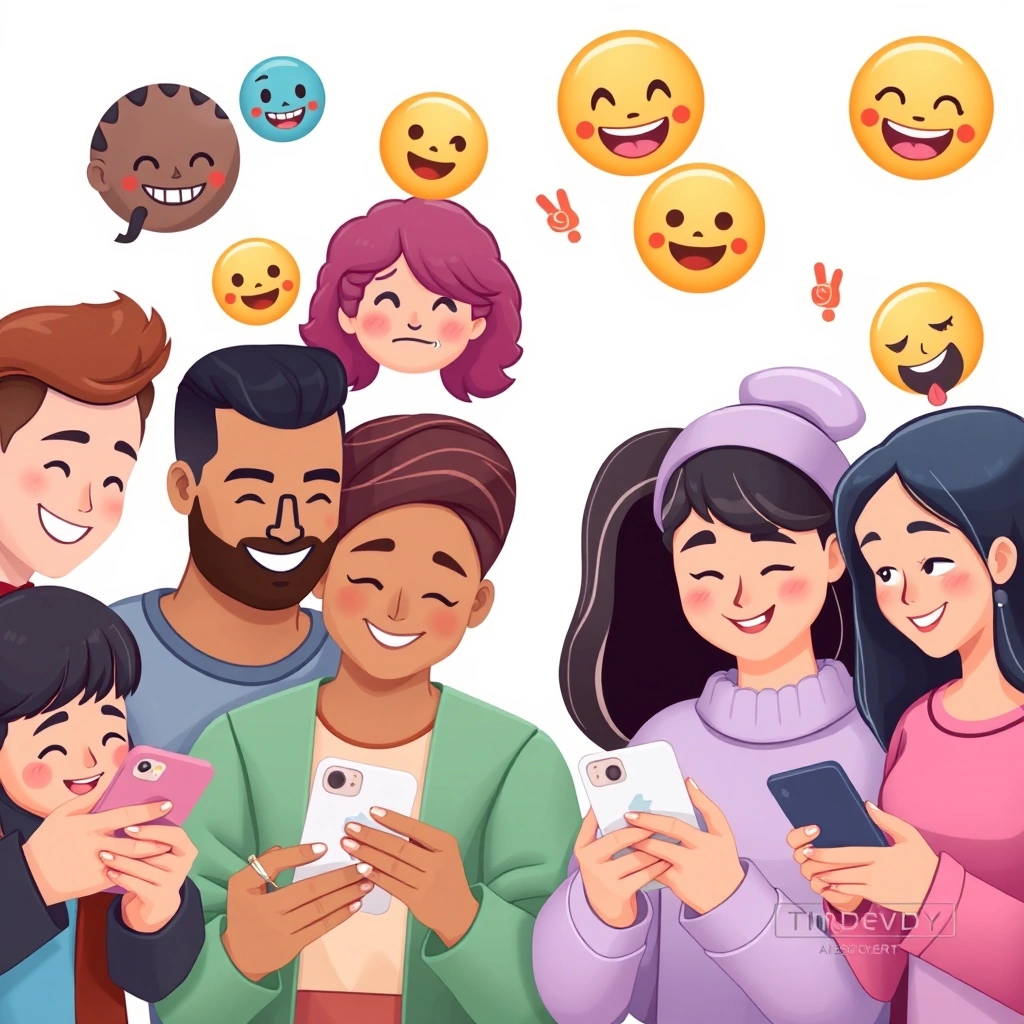
Cultural Interpretations: When Emojis Mean Something Else
The beauty and challenge of emojis lie in their often subjective nature. While some emojis, like the laughing face 😂, generally convey mirth across many cultures, others have distinctly different interpretations. Understanding these differences is key to effective cross-cultural digital interaction. When you paste emoji from a diverse emoji collection, it's worth a moment's thought about its audience.
The Thumbs-Up: From Approval to Insult
Take the ubiquitous thumbs-up 👍 emoji. In many Western cultures, it signifies approval, agreement, or "okay." It's a positive, affirming gesture. However, in parts of the Middle East, West Africa, and South America, it can be considered rude or even a severe insult, akin to a rude hand gesture. Using it indiscriminately can inadvertently cause offense.
The Prayer Hands: Gratitude or High-Five?
Another common example is the folded hands 🙏 emoji. In Asian cultures, particularly Japan, it often represents a "please" or "thank you" gesture, or even a prayer. In Western contexts, it's frequently used to express gratitude, spirituality, or sometimes even a high-five. The nuance of its meaning can shift dramatically based on cultural background, making context crucial.
The Grinning Face with Sweat: Anxiety or Happiness?
Consider the grinning face with sweat 😬. In Japan, this emoji often conveys a feeling of relief after a close call or a moment of anxiety. However, in other cultures, it might be interpreted simply as a nervous smile or even a forced, awkward grin. Such subtle differences highlight the depth of cultural embeddedness in our digital expressions.
Navigating the Emoji Landscape: Tips for Cross-Cultural Communication
To avoid miscommunication and foster better global understanding through emojis, consider these tips. First, be mindful of your audience. If you're communicating with someone from a different cultural background, a quick mental check on emoji meanings can save you from potential blunders. Second, observe how others in that culture use emojis; context is king. Finally, when in doubt, use emojis that have more universally accepted positive connotations or stick to words. Resources like Emoji online can help you understand various emoji meanings. While emojis are a fantastic tool for expressing ourselves, their true power lies in our ability to understand and respect the diverse interpretations that exist across our global community.  By embracing these nuances, we can truly harness the power of this visual language to build bridges, not walls, in our digital interactions. The journey to mastering this global language is ongoing, but it starts with cultural awareness and a willingness to learn.
📒 Related Blogs
More...Emoji Etiquette: Mastering the Unspoken Rules of Digital Communication
The Evolution of Emojis: From Early Pixels to Global Pop Culture Icons
The Psychology Behind Emojis: Expressing Emotion in a Digital Age
Beat Deadline Stress: How Emojis Smooth Out Professional Chats Under Pressure
How Emojis Evolve: The Secret Language Shaping Our Digital Generations
More Than Just Faces: How Emojis Reveal Our Generational Digital Fingerprint