Emoji Etiquette: Mastering the Unspoken Rules of Digital Communication

Dec 22,2025
In today's fast-paced digital world, emojis have become an integral part of how we communicate. From quick texts to professional emails, these tiny symbols pack a punch, adding tone, emotion, and context that plain text often lacks. But with great power comes great responsibility! Navigating the world of emojis requires a keen understanding of 'emoji etiquette' – the unspoken rules that dictate when and how to use them effectively. Mastering these rules can elevate your digital interactions, preventing misunderstandings and ensuring your message lands just right. If you're looking for an extensive Emoji collection, emojilar has you covered.
The Basics: Understanding Context is Key
The golden rule of emoji etiquette is context. Before you tap that cheerful smiley or celebratory confetti, take a moment to consider where your message is going and who it's for. 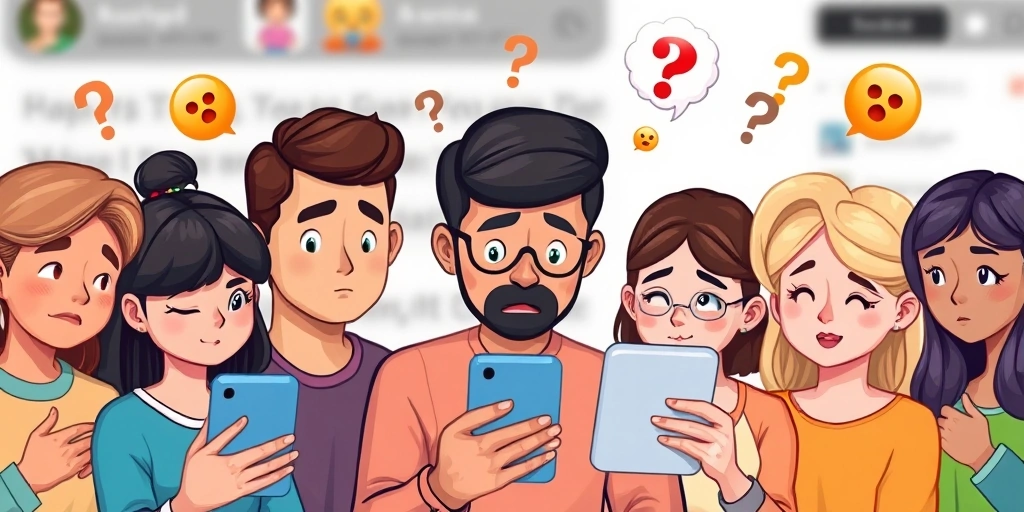
Formal vs. Informal Settings
Emojis are fantastic for informal chats with friends and family. They add a personal touch and can convey humor or sarcasm effortlessly. However, in professional emails or official communications, restraint is crucial. A simple 'thumbs up' (👍) might be acceptable in a team chat with close colleagues, but a 'face with tears of joy' (😂) might be entirely inappropriate in a client-facing email. Always err on the side of caution when the setting is formal. You can easily copy emoji like 👍 from our site.
Knowing Your Audience
Your audience dictates a lot. What might be perfectly fine with your younger cousin might be lost on your grandparent, or worse, misinterpreted by a colleague from a different cultural background. Different age groups and cultures often assign different meanings to emojis. For instance, the 'waving hand' 👋 can mean hello, goodbye, or even a 'stop' gesture in some contexts. Be mindful of who you're talking to and tailor your emoji usage accordingly.
Common Emoji Pitfalls to Avoid
Even with good intentions, emojis can sometimes lead to communication breakdowns. Here’s what to watch out for.
Overuse and Misinterpretation
While emojis can enhance your text, overusing them can make your message appear childish, unprofessional, or even confusing. A string of five different emojis at the end of every sentence dilutes their impact. Similarly, be aware of emojis that have developed secondary, sometimes ironic or even inappropriate, meanings. The 'eggplant' 🍆 and 'peach' 🍑 are prime examples of emojis that have strayed far from their original fruit-related meanings in certain circles. 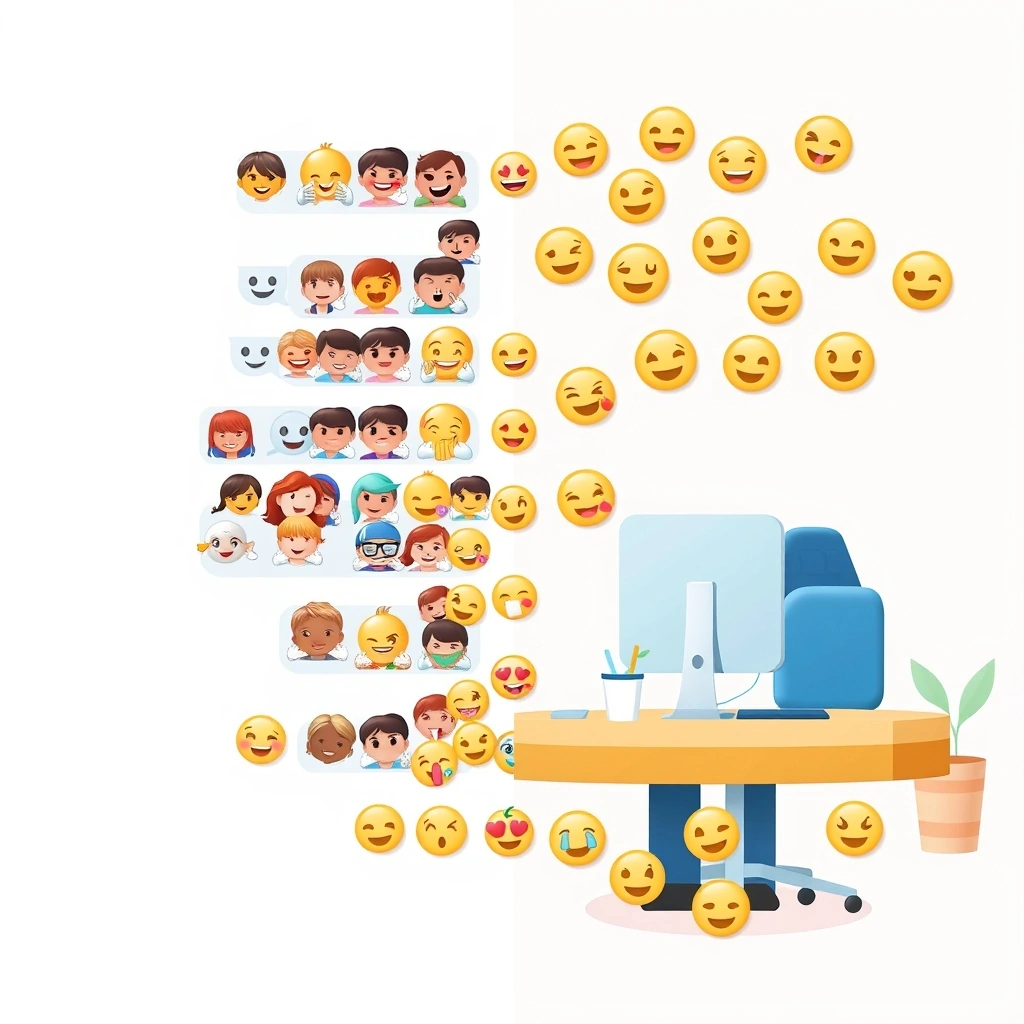
The Double Meaning Dilemma
Some emojis are inherently ambiguous. The 'thinking face' (🤔), for example, can convey deep thought, skepticism, or even passive-aggressive judgment, depending on the context and the recipient's interpretation. When in doubt about an emoji's clarity, it's often better to express yourself with words instead. Explore and paste emoji like 🤔 and others at Emoji online.
Mastering Emoji Use for Clear Communication
So, how do you get it right?
Enhancing, Not Replacing, Words
Think of emojis as condiments, not the main course. They should complement your text, adding nuance or emphasis, rather than replacing actual words. A well-placed emoji can convey warmth, humor, or empathy much more succinctly than a lengthy explanation. They are there to enhance your message, not to be the message itself. 
When in Doubt, Leave it Out
This is perhaps the simplest and most effective rule. If you're unsure whether an emoji is appropriate for a particular situation or person, just don't use it. It's always better to be clear and concise with words than to risk a misunderstanding with an ill-chosen emoji. Mindful emoji usage shows respect for your audience and clarity in your communication. By understanding these unspoken rules, you can transform your digital interactions, making them more effective, engaging, and genuinely expressive. Happy emojing!
📒 Related Blogs
More...When a Smiley Face Feels All Wrong: Navigating Emoji Awkwardness
The Viral Heartbeat: How Emojis Fuel the Spread of Reactions Online
The Secret Language of Emojis: How They Soothe Our Digital Jitters
The Slow Burn: How Emojis Quietly Change Their Meaning in Your Group Chats
The Ever-Shifting Emoji Code: How Online Trends Reshape Digital Language