The Evolution of Emojis: From Early Pixels to Global Pop Culture Icons

Dec 09,2025
Remember a time before emojis? It feels almost archaic now, doesn't it? These tiny digital icons have transformed the way we communicate, adding layers of emotion, humor, and nuance that plain text often misses. What started as simple pixels in Japan has blossomed into a universal language, shaping pop culture and reflecting our ever-evolving digital lives.
The Humble Beginnings: From Kaomoji to Pixels
Before the colorful characters we know today, there were text-based emoticons, or "kaomoji" in Japan, like `(^_^)`. These creative combinations of punctuation and symbols laid the groundwork for visual shorthand. But the real revolution began in the late 1990s when Shigetaka Kurita, working for NTT DOCOMO, created the first set of 176 emojis for pagers and mobile phones in Japan. His goal? To make digital communication more engaging and efficient. Imagine trying to express joy without a 😄 Smiling Face with Open Mouth and Smiling Eyes!
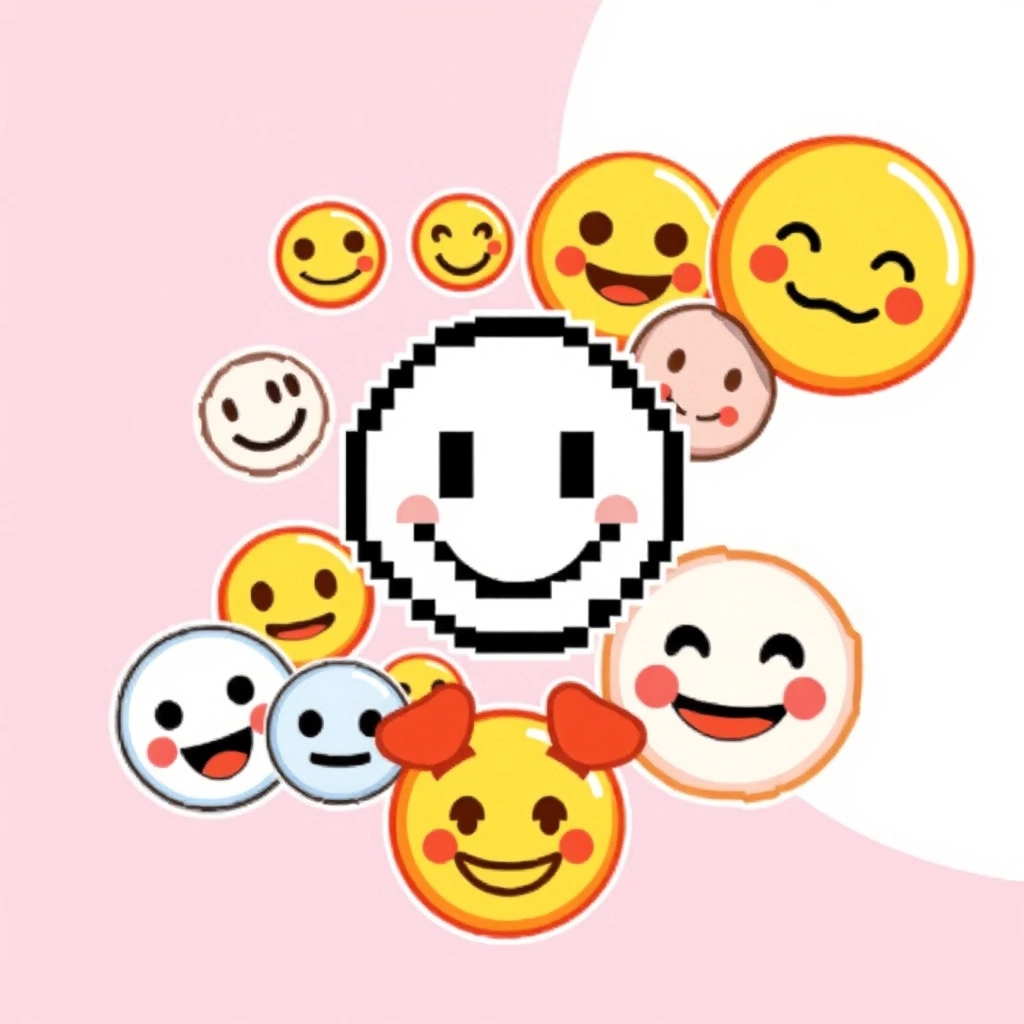
These early emojis were simple, 12x12 pixel images, but they captured the imagination of users and quickly became an integral part of mobile messaging in Japan. They showed the power of visual communication, a precursor to the rich Emoji collection we enjoy today.
The Global Takeover: Unicode and Standardization
For a long time, emojis were a Japanese phenomenon, fragmented and incompatible across different carriers. The turning point came with the adoption of emojis into the Unicode Standard. In 2010, major emoji sets were incorporated, providing a universal coding system that allowed emojis to be displayed consistently across different devices and platforms worldwide. This standardization was crucial; it meant that a ❤️ Red Heart sent from an iPhone would look like a ❤️ Red Heart on an Android phone, too.
Emojis as a Universal Language
Suddenly, emojis transcended language barriers. They became a visual shorthand understood by billions, adding emotional context to messages, social media posts, and even professional communications. They let us express gratitude with a quick 👍 Thumbs Up or convey sarcasm without uttering a word. This global embrace cemented their status as essential tools for digital expression.
Emojis as Pop Culture Icons and Beyond
Today, emojis are more than just useful tools; they are pop culture icons. They feature in movies, fashion, and art. They influence how we text, tweet, and interact online. New emojis are constantly being added, reflecting societal changes, technological advancements, and cultural trends. From diverse skin tones to gender-neutral options and new professions, emojis mirror the world we live in, making our digital conversations more inclusive and vibrant. They offer a unique way to enrich our everyday dialogue.
The Future of Emoji
What's next for emojis? We're seeing more animated emojis, personalized emoji stickers, and even AI-suggested emojis. As technology evolves, so too will these tiny titans of communication. They are constantly adapting, demonstrating their incredible resilience and importance in how we connect with each other. If you're looking for an easy way to find and copy emoji, platforms like emojilar make it simple.
From their humble pixelated beginnings to their current status as indispensable elements of our digital lexicon, emojis have truly evolved. They've not just changed how we communicate, but also how we express ourselves, connect emotionally, and engage with the world online. They are a testament to the power of visual communication and show no signs of slowing down their cultural impact.
📒 Related Blogs
More...How Emojis Became Our Secret Weapon for Calming Awkward Chats
The Secret Language of Generations: How Emojis Shape Our Digital Conversations
The Secret Language of Our Screens: How Emojis Mirror Cultural Moods Online
Emoji's Emotional Shortcut: Understanding Instant Judgments in Digital Chat
More Than Just Faces: How Emojis Reveal Our Generational Digital Fingerprint
Emoji Across Cultures: Global Meanings & Interpretations Explained