Emoji Across Cultures: Global Meanings & Interpretations Explained

Dec 13,2025
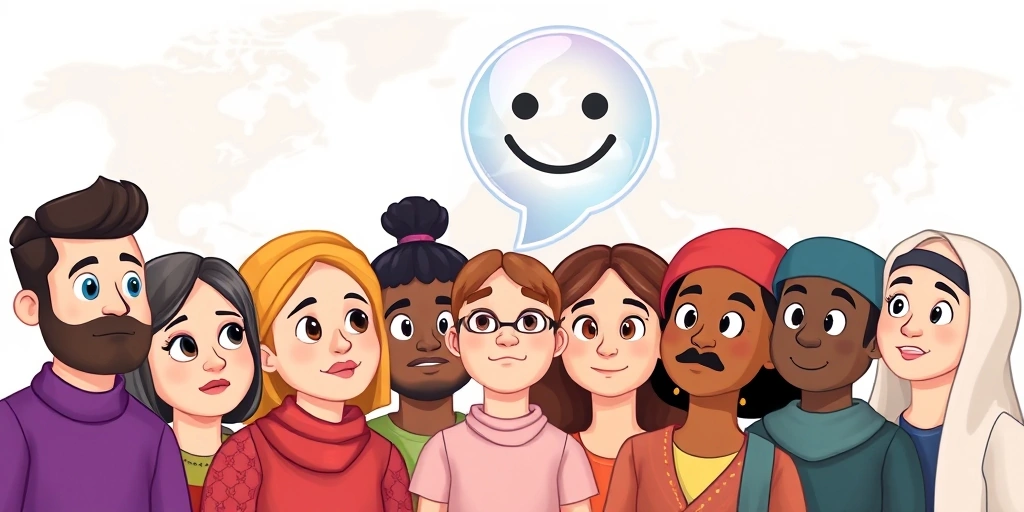
Emojis have truly revolutionized the way we communicate, adding layers of emotion and nuance to our digital conversations. From a simple smiley face to complex sequences, these tiny icons transcend language barriers – or do they? While often seen as a universal language, the truth is that emoji interpretations can vary significantly across different cultures. Understanding these global nuances is key to effective cross-cultural communication.
The Global Language of Emojis: A Double-Edged Sword
On one hand, emojis provide a quick, visual way to express feelings and reactions, making online interactions more expressive. On the other hand, what might be an innocent gesture in one country could be offensive in another. This cultural context is vital, and at emojilar, we're fascinated by how these symbols evolve in meaning around the world. Copy emoji and paste emoji into your chats, but always consider your audience!
Common Emojis, Uncommon Meanings
Let's look at some popular emojis and how their meanings shift globally:
- 😜 (Pouting Face): In Western cultures, this might signal a mild annoyance or a playful pout. However, in some Asian contexts, it can be interpreted as a cute or even seductive expression, entirely changing its emotional weight.
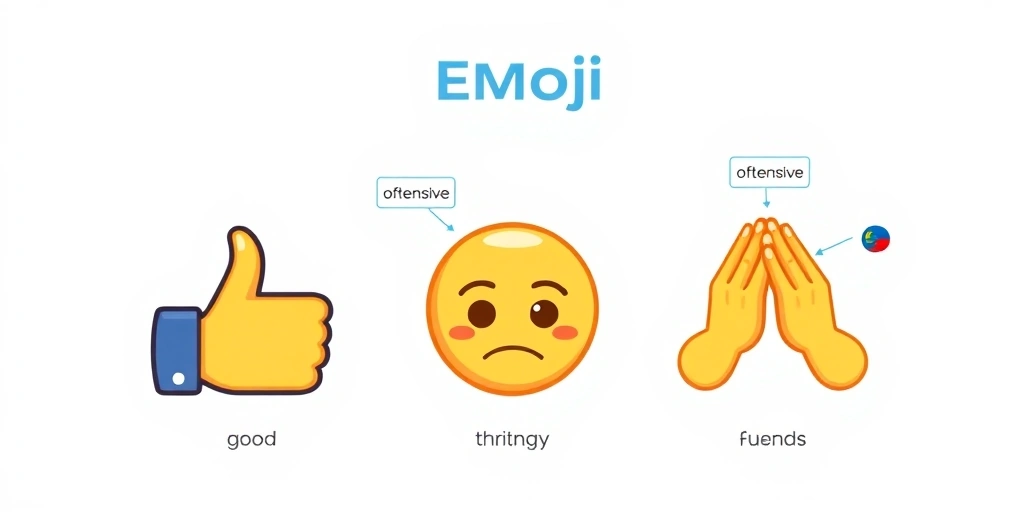
- 👍 (Thumbs Up): Generally a sign of approval or 'OK' in many parts of the world, including the US and Europe. But beware! In some Middle Eastern countries, West Africa, and parts of South America, it can be considered a highly offensive gesture. This is a classic example where a simple thumbs up needs careful consideration.
- 😈 (Grinning Face with Smiling Eyes): A joyful, happy emoji for many. Yet, in Japan, a similar expression with tightly closed eyes (like 😁) often conveys shyness or embarrassment rather than pure elation.
- 👋 (Waving Hand): Often used to say 'hello' or 'goodbye'. However, in countries like China, the waving hand can sometimes be interpreted as an indication of 'no longer friends' or breaking off a relationship, particularly if used in certain contexts.
Cultural Sensitivities and Context
The key to mastering emoji usage across cultures lies in sensitivity and context. It’s not just about avoiding direct offense, but also about ensuring your intended message is accurately received. A collection of emojis on Emoji online might seem straightforward, but their power to convey emotion can be twisted by cultural lenses.
Why Do Interpretations Vary?
Cultural interpretations often stem from historical gestures, religious beliefs, and social norms. For instance, the 🙏 (Folded Hands) emoji is commonly associated with prayer or gratitude in many parts of Asia, influenced by practices like 'Namaste' or 'Wai'. In Western contexts, it's frequently used as a 'high-five' or simply 'please'. The distinction is subtle but important for true understanding.
Navigating the Emoji Landscape Responsibly
As emoji copy and paste becomes even more integral to our daily communication, especially with an expanding emoji collection, being mindful of cultural differences is more important than ever. When communicating with international friends, colleagues, or clients, take a moment to consider how your chosen emojis might be perceived. Sometimes, a more literal text-based message is safer, or a quick check on regional emoji trends can prevent misunderstandings. Embrace the diversity, learn from it, and make your digital conversations truly global and respectful.
📒 Related Blogs
More...The Magic of a Single Tap: How Emojis Make Quick Chats Feel Truly Connected
Are Emojis Reshaping How We Communicate? A Comprehensive Look
The Emoji Effect: How Little Icons Soften, Sharpen, and Steer Your Casual Chats
The Unsung Heroes of Group Chats: How Emojis Keep the Peace in Daily Messages
Crushing Deadlines with a Smile: How Emojis Make Brief Work Replies Feel Thoughtful
The Fascinating Evolution of Emojis: From ASCII Art to Global Communication