Emoji's Emotional Shortcut: Understanding Instant Judgments in Digital Chat

Dec 27,2025
Remember the days before emojis? Reading a text message often felt like a guessing game. Was your friend serious or joking? Was that short reply a sign of anger or just their usual abruptness? We’d reread sentences, trying to infer tone from capitalization or punctuation, often still feeling a little uncertain. It was a communication landscape rife with potential misunderstandings, where the emotional nuances of a conversation could easily get lost in translation.
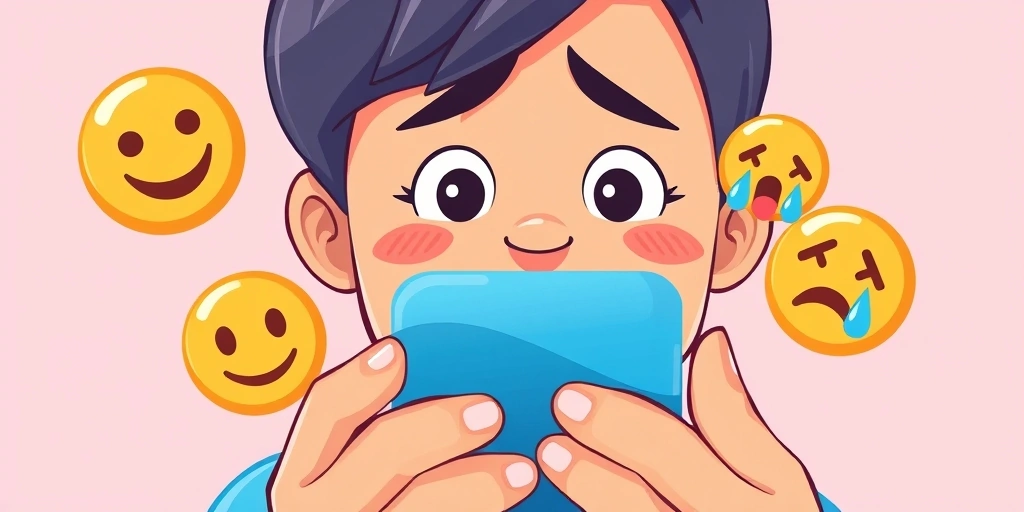
Then came emojis, and with them, a seismic shift in how we interpret digital interactions. These tiny graphical symbols, from a simple smiley face to a full-blown expressive icon, don't just add flair; they fundamentally alter our perception of a message almost instantaneously. They act as immediate emotional shortcuts, painting a vivid picture of the sender's feelings long before our brains have fully processed the accompanying words. It’s an instant verdict, a quick emotional judgment passed in milliseconds.
The Speed of Emotional Decoding
It’s fascinating how quickly our brains process emojis. A cheerful 👍 can instantly convey approval or agreement, diffusing any potential tension from a plain text message. Conversely, a subtle 😒 or a more direct 😠 can immediately put us on guard, making us reconsider the tone of the entire conversation. This rapid decoding isn't just about understanding the emoji itself; it's about how that emoji immediately influences our interpretation of everything else around it. We don't just see a symbol; we feel its emotional weight, which then tints the entire exchange.
Think about how often you've received a message that, on its own, seemed neutral or even a little blunt. Add a 😂 to it, and suddenly it's playful. Swap that for a 😬, and now it feels awkward or hesitant. This immediate shift in emotional context highlights the power of emojis as emotional triggers. They bypass the slower, more deliberate process of textual analysis and go straight for our emotional centers, prompting a knee-jerk reaction.
Why We Judge So Quickly
Our tendency to make quick emotional judgments isn't unique to emojis; it's deeply ingrained in human psychology. In face-to-face communication, we constantly pick up on non-verbal cues – facial expressions, body language, tone of voice – to gauge a person's emotional state. These cues allow us to make rapid assessments about intent and meaning, helping us navigate social interactions smoothly. Emojis, in many ways, serve as a digital substitute for these vital non-verbal signals.
When we see an emoji, our brains are essentially performing a rapid pattern recognition task, associating the visual symbol with a known emotional state. This allows for incredibly efficient communication, but also opens the door to potential misinterpretations. Because they are often ambiguous and can be used in various contexts, the 'shortcut' can sometimes lead us down the wrong path. We might project our own feelings or assumptions onto an emoji, rather than accurately understanding the sender's intent.
The Weight of a Single Icon
Consider the humble heart emoji ❤️. It can signify deep love, casual affection, appreciation, or even just a friendly acknowledgement. The judgment we make about its meaning – and the emotional response it evokes in us – depends heavily on who sent it, the history of our relationship with them, and the specific context of the message. A heart from a close family member feels different from one sent by a new acquaintance, and both evoke different emotional responses.
This means that while emojis provide a quick emotional shortcut, the quality of that shortcut is often shaped by our existing emotional landscape. Our personal biases, previous experiences, and even our current mood can all influence the instant judgment we make. It’s a complex interplay between the sender’s intended emotion, the emoji’s widely understood meaning, and our own psychological lens.
To delve deeper into how these fascinating symbols influence our minds and interactions, you might find some interesting insights in our emoji psychology section.
Navigating Misinterpretations and Building Bridges
The speed with which we judge emojis can sometimes lead to communication breakdowns. A sarcastic use of an emoji might be taken literally, or an emoji meant to soften a critical message might be perceived as dismissive. These rapid emotional judgments, while efficient, lack the richness and immediate feedback loop of in-person communication. We don’t see the sender’s follow-up facial expression or hear their clarifying tone.
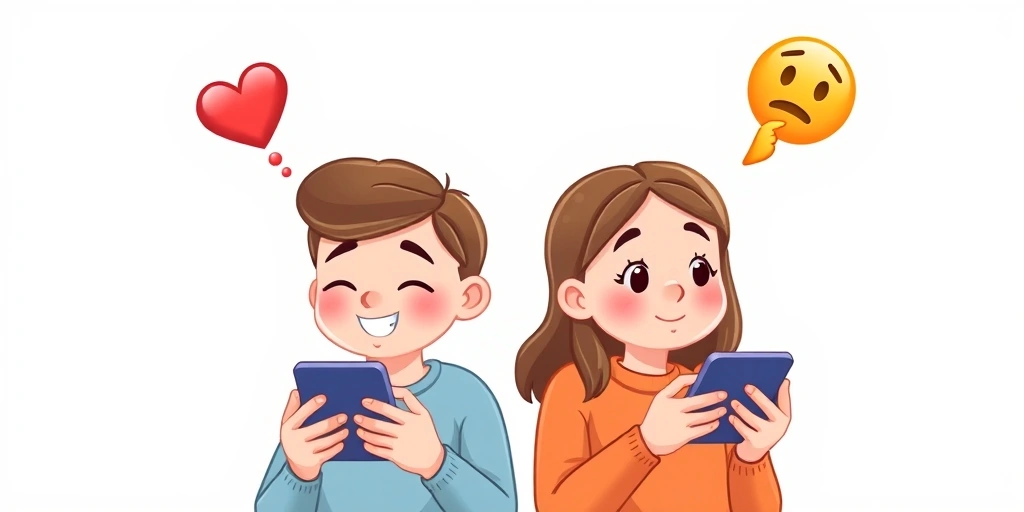
Understanding this tendency to jump to conclusions based on emojis is crucial in the digital age. It encourages us to be more mindful of the emojis we send and to give others the benefit of the doubt when interpreting theirs. Instead of letting that initial emotional judgment solidify, pausing to consider the broader context or asking for clarification can prevent misunderstandings. Emojis are powerful emotional tools, but like any tool, their impact depends entirely on how they are wielded and interpreted.
Ultimately, emojis have become an indispensable part of our digital vocabulary, and their ability to trigger quick emotional judgments is a testament to their communicative power. They have undeniably streamlined the expression of feeling, allowing us to convey complex emotions with a single tap. As our digital lives continue to evolve, so too will our psychological relationship with these little icons, forever shaping the emotional texture of our conversations.
📒 Related Blogs
More...The Silent Sigh of Relief: How Emojis Soothe Emotional Uncertainty in Everyday Chats
The Quiet Language of Family: How a Simple Emoji Says 'I'm Here'
Unlocking Digital Emotions: The Psychology Behind Your Favorite Emojis
The Slow Dance of Emojis: How They Quietly Reshape Our Long Conversations
The Friendly Nudge: How Emojis Keep Professional Messaging Human