The Slow Dance of Emojis: How They Quietly Reshape Our Long Conversations

Jan 21,2026
Think about that one chat thread you’ve had going for weeks. Maybe it’s with a close friend who lives in another time zone, or a family group chat that bubbles up every few days. The conversation isn’t fast and furious. It’s slow, meandering, picking up and fading like the tide. In these spaces, something interesting happens. The emojis we use stop being just quick reactions. They start to set the rhythm.
At first, you might toss in a laughing face 😂 to show you got the joke, or a heart ❤️ to show appreciation. It’s punctuation. But as the chat stretches on, those little pictures begin to carry more weight. They become the emotional anchors in a sea of delayed replies and half-finished thoughts.
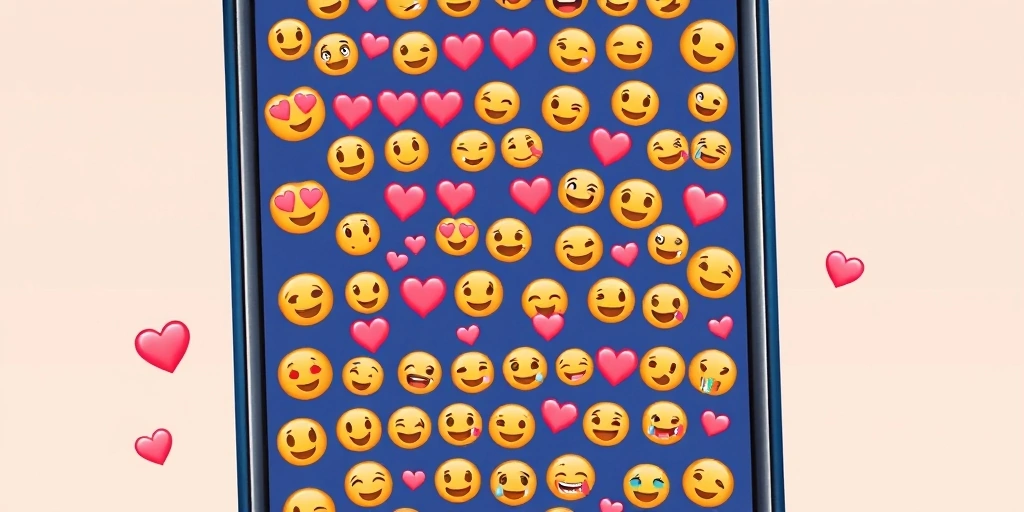
Consider the simple act of sending a single emoji as a reply. In a fast chat, a thumbs-up 👍 might feel curt. But in a slow, ongoing conversation? It can be a gentle nod, a way of saying “I saw this, I’m with you, we’re still connected” without needing to craft a full sentence. It maintains the thread. The rhythm here isn’t about speed; it’s about continuity. The emoji becomes a steady beat that keeps the music playing even during the long rests.
This slow dance allows for nuance to build up over time. That same friend might start using a specific emoji—like the thinking face 🤔 or the weary cat 😿—as a kind of personal shorthand. You begin to recognize not just the emoji, but their *particular* use of it. It gains a history, a context unique to your shared conversation. This is where emojis truly start to influence clarity. They’re no longer just clarifying the intent of a single message; they’re building a shared, visual language that defines the entire chat’s emotional landscape.
The Emotional Pace-Setters
In a rapid-fire exchange, emotion is often conveyed through volume and immediacy. In a slow chat, emojis have to do that heavy lifting all by themselves. A message that says “Rough day at work” followed by a grimacing face 😬 sets a very different expectation than the same message followed by a crying face 😢 or a fiery anger symbol 😠. The emoji doesn’t just react; it prefaces. It tells the reader, who might not see this for hours, what emotional key to read the words in.
This creates a cause-and-effect loop. The emoji you receive affects the tone of your reply, which then influences the emoji you send back. Over days, this can create subtle shifts. A chat that started with lots of excited 😄 and celebratory 🎉 emojis might, through a series of events, gradually incorporate more supportive 🤗 or reflective 🧐 ones. The rhythm of the conversation has emotionally modulated, and the emoji trail is the clearest record of that shift.
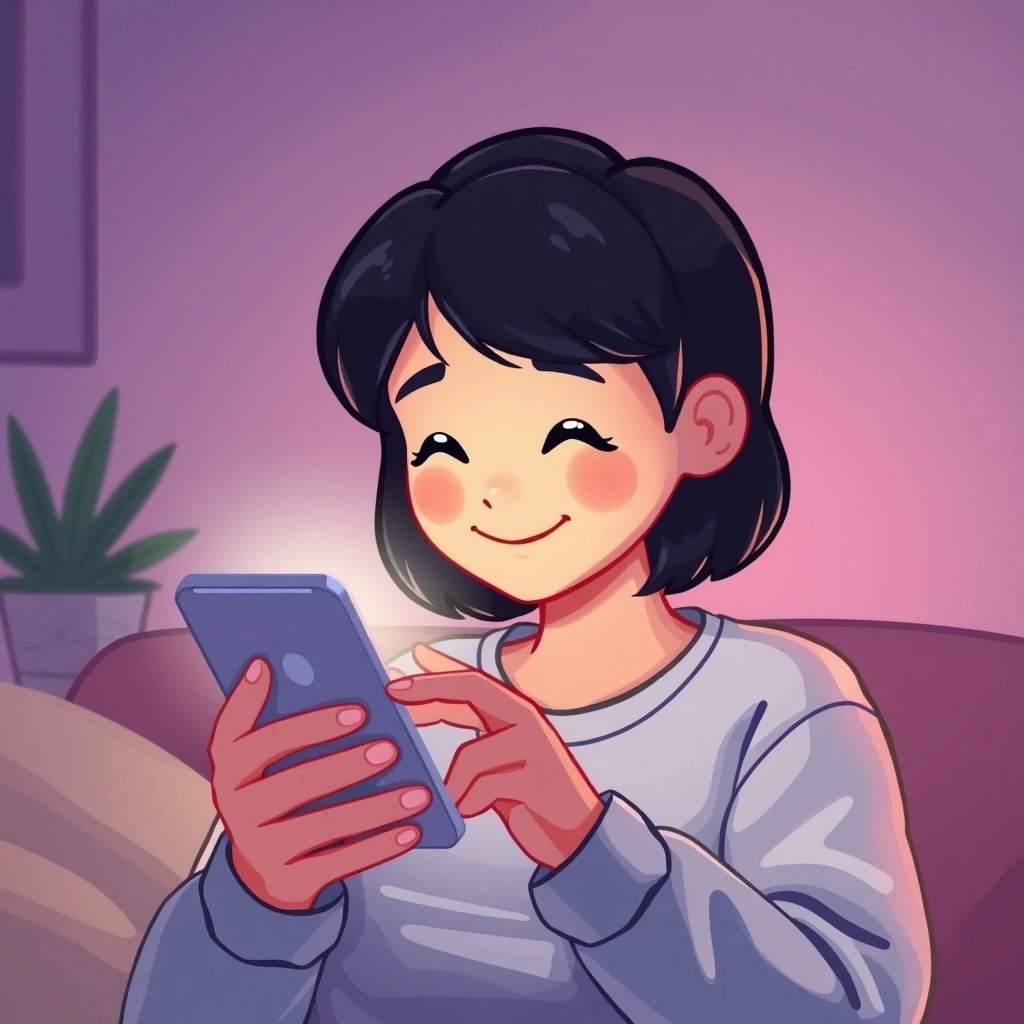
It’s a form of unspoken management. We use emojis to gently steer the conversation’s mood, to offer comfort from afar, or to signal that we need space, all without having to explicitly state it. A delayed reply followed by a tired face 😴 communicates more effectively than a paragraph explaining your exhaustion.
When the Beat Changes
Sometimes, a change in emoji rhythm is the first sign that something is off. When the usual, frequent heart emojis ❤️ are replaced by distant thumbs-ups 👍, or when the playful teasing emojis 😜 disappear, we notice. The silence of a missing, expected emoji can be as loud as any message. This is because, in these long chats, emojis become part of the expected rhythm. Their absence breaks the pattern, and we instinctively seek meaning in that break.
This power makes them crucial for clarity. A sarcastic text in a slow chat is a minefield without the winking face 😉 to guide interpretation. The potential for misunderstanding is higher when responses are delayed. Emojis act as tiny, persistent flags, ensuring the emotional intent of a message survives the hours or days it might sit unread.
They help us maintain what researchers might call ‘social presence’—the feeling that another person is there and engaged. In the gaps between messages, an emoji is a placeholder for our attention and care. It’s a way of saying, “I’m still here in this conversation with you,” which is the entire foundation of a slow, ongoing chat. Without that, the thread would simply dissolve.
Exploring emoji and communication further reveals how deeply these symbols are woven into our digital interactions. They are far more than decorative.
So, the next time you’re in one of those long, stretching conversations, pay attention to the emojis. Notice how they pop in to soften a statement, to amplify a feeling, or to simply keep the beat going. They are the conductors of your shared, asynchronous symphony. They don’t just change the rhythm; they *are* the rhythm, giving form and feeling to the spaces between our words. In the slow dance of modern communication, they are the steps we learn together, one tiny, colorful picture at a time.
📒 Related Blogs
More...The Friendly Nudge: How Emojis Keep Professional Messaging Human
More Than Just Fun: How Emojis Unravel the True Meaning in Busy Chats
The Silent Power of Emojis: How They Keep Our Chats Light & Lively
Emojis: The Universal Language Breaking Down Cultural Barriers
The Emoji Effect: How Icons Shape Public Reactions Across Social Platforms
The Emoji Chameleon: How Digital Trends Secretly Reshape What Your Favorite Emojis Really Mean