The Emoji Effect: How Icons Shape Public Reactions Across Social Platforms

Dec 30,2025
The digital world moves fast, and often, our words struggle to keep up with the speed of our emotions. That's where emojis step in, becoming our silent, expressive partners in crime across every social platform imaginable. They're more than just cute little icons; they're powerful tools that can completely reshape how our public replies are perceived, influencing reactions in ways plain text simply can't.
Think about it: a simple 'okay' can mean anything from genuine agreement to sarcastic dismissal. Add a 👍, and it's positive affirmation. Add a 🙄, and suddenly it's dripping with disdain. This isn't just about adding flair; it’s about conveying nuance, a delicate art that often gets lost in the cold hard type of online interactions. Emojis bridge that gap, making our digital selves feel a lot more human.
The Emotional Ripple Effect of Emojis
We’ve all seen it happen. A heated debate cools down with a strategically placed 😂 or a genuinely empathetic ❤️. Conversely, a seemingly innocuous comment can spark outrage when paired with the wrong emoji, like an ill-advised 🤨 or a dismissive 🤷♀️. The tone shifts, the temperature changes, and suddenly, what was just text becomes a conversation infused with feeling. It’s fascinating how quickly a simple icon can transform the emotional landscape of a public reply.
Building Bridges and Communities with Icons
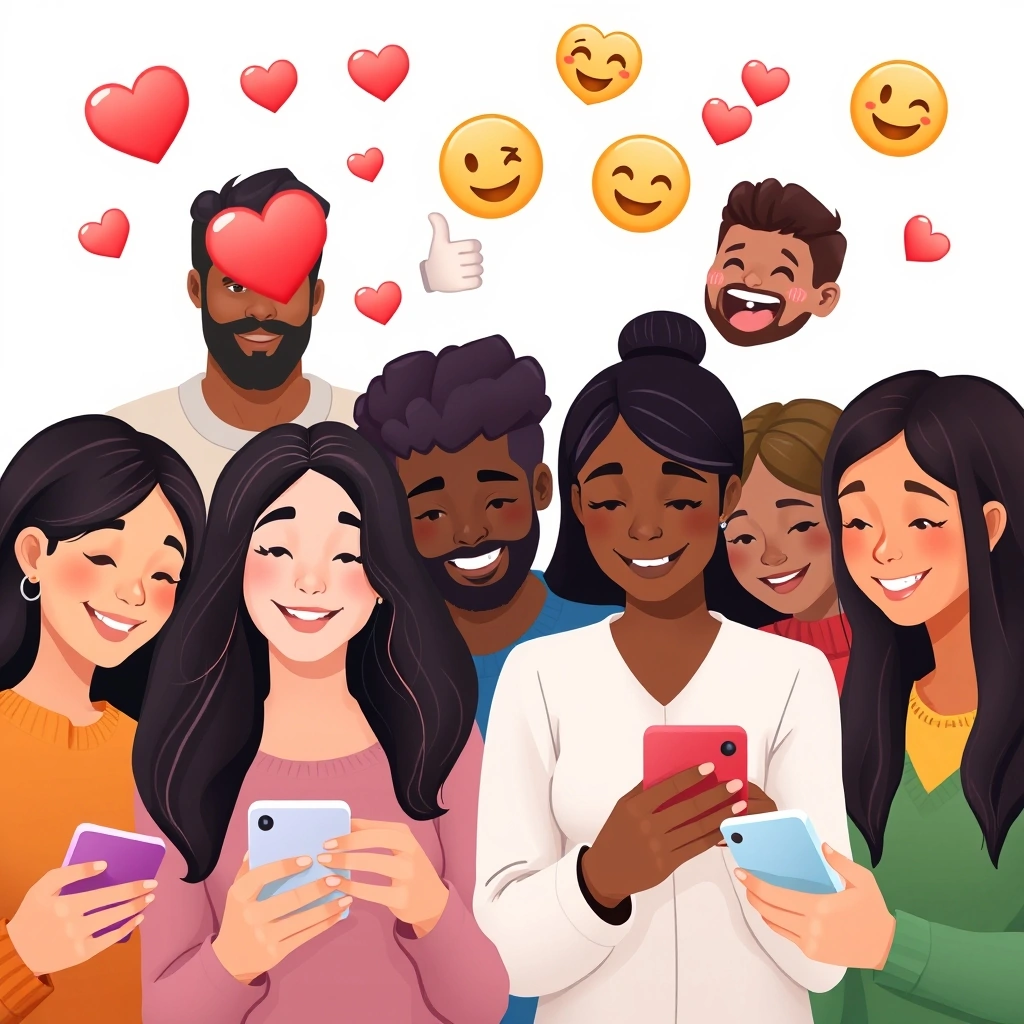
Beyond just clarifying tone, emojis are incredible for building connection and community. When you see a thread full of ✨ or 🙏 replies to a heartfelt post, you feel that collective sense of support and positivity. It's a non-verbal affirmation that resonates deeply. They act as a universal shorthand for shared experiences and emotions, making conversations feel more inclusive and warm, especially when words might fall short. This is particularly true in large, diverse online communities where language barriers might exist. An emoji speaks volumes without needing translation.
The Tricky Terrain of Interpretation
Of course, it's not always sunshine and rainbows. The beauty of emojis is also their challenge: interpretation can be subjective. What one person sees as playful, another might see as mocking. A skull emoji 💀 can mean 'I'm dead laughing' to a Gen Z user, but 'death' to someone from an older generation or a different cultural background. This potential for misinterpretation means that while emojis are powerful, they also demand a certain level of awareness and sensitivity, especially in public-facing comments where your words – and icons – are under scrutiny. Navigating these subtleties is part of the emoji magic that changes everything in online conversations.
Cultural Nuances: What One Emoji Means to Another
Cultural context plays a huge role. The 'thumbs up' emoji 👍, for instance, is a sign of approval in many Western cultures, but can be deeply offensive in parts of the Middle East or West Africa. Similarly, the 'folded hands' emoji 🙏 is often used for prayer or thanks, but in Japan, it signifies 'please' or 'thank you' in a more general, polite context. Understanding these nuances is crucial for anyone engaging in global public discourse, ensuring your emojis enhance, rather than hinder, your message. It highlights the vast and often complex world of emoji and social media interactions.
Professional vs. Playful: The Emoji's Role in Tone Setting
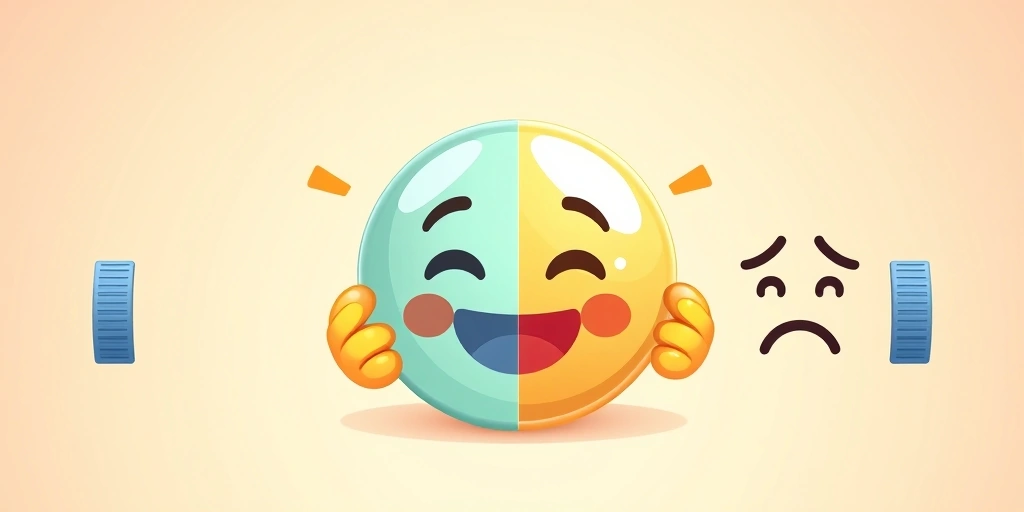
The line between professional and informal communication is increasingly blurred on social platforms, and emojis often dictate which side of the line a reply lands. A formal announcement might gain a touch of approachability with a carefully chosen 🎉 or ✨, making it feel less stiff and more engaging. However, a misplaced 😂 in a serious discussion can instantly undermine credibility. It’s a delicate dance, and knowing your audience and the context is paramount to using emojis effectively without sounding unprofessional or insincere.
Influencing Sentiment and Driving Virality
From a broader perspective, emojis are instrumental in influencing the overall sentiment of a discussion thread. They can amplify joy, soften criticism, or even ignite a viral trend. A tweet with a high number of corresponding emojis, be it laughing faces or shocked expressions, often garners more attention and engagement. They act as emotional triggers, encouraging others to react similarly, thereby boosting visibility and shaping the public narrative around a topic. It's almost like a digital ripple effect, where a single emoji can start a wave of reactions.
The Evolving Language of Emojis
As social media continues to evolve, so too will our use of emojis. They're not just a fad; they've become an indispensable part of our digital vocabulary. They're evolving with us, new ones being added regularly to capture ever more specific emotions and situations. From shaping the immediate reaction to a public comment to influencing the long-term sentiment of a community, emojis are undeniably at the heart of how we connect, communicate, and react online. Their power to convey emotion and tone in a glance is unmatched, making them essential tools for anyone navigating the vast and dynamic landscape of social platforms.
So, the next time you're crafting a public reply, pause for a moment before hitting send. Consider the emoji you're about to use. Is it enhancing your message? Is it clarifying your tone? Is it truly reflecting the sentiment you wish to convey? Chances are, that little icon holds more power than you think, capable of turning a simple comment into a memorable, impactful interaction. They truly are the unsung heroes of our digital conversations, constantly shaping the way we feel and react.
📒 Related Blogs
More...The Emoji Revolution: Transforming Marketing & Branding Strategies
The Unwritten Rules: How Emojis Shape New Meanings in Online Communities
The Silent Misunderstanding: When Your Emoji's Message Gets Lost in Translation
Emoji Fails: When Your Public Reply Gets Lost in Translation
When Your Emoji Tone Goes Rogue: The Unseen Pitfalls of Texting