The Silent Misunderstanding: When Your Emoji's Message Gets Lost in Translation

Jan 24,2026
You know that moment. You send a quick text, maybe just a single emoji, and the reply you get back is... off. A question mark. A long pause. Or worse, a completely different emotional reaction than you intended. It’s a tiny digital hiccup, but it can leave you feeling strangely exposed, like you just whispered a secret into the wrong ear.
This isn't about 'using emojis wrong.' It's about how these wonderfully expressive symbols sometimes travel without their passport—the crucial context that gives them meaning. An emoji sent from the comfort of your couch at 10 PM lands on a screen in a hectic office at 2 PM. The sender's mood, the relationship's history, the unspoken rules of that particular chat—none of that baggage comes along for the ride.
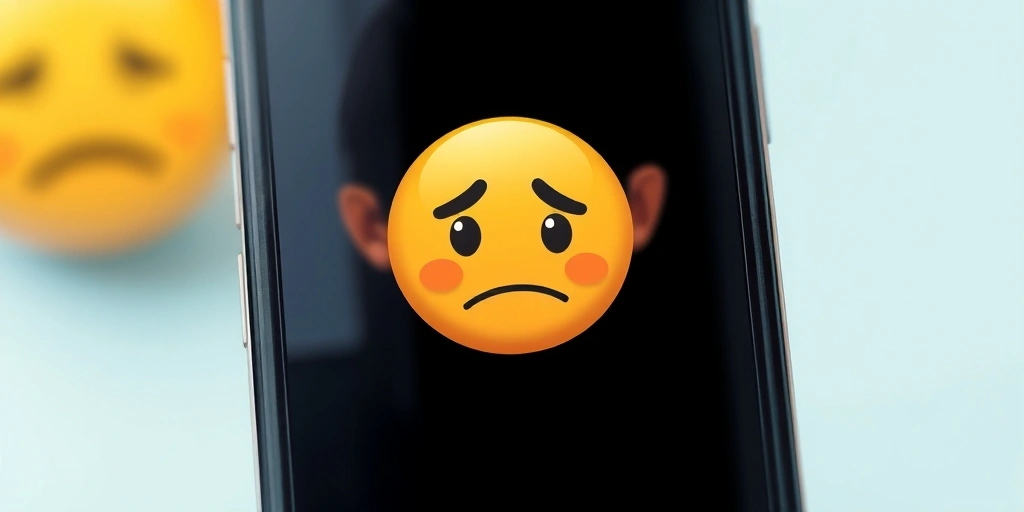
Think about the classic smiley face. To one person, it's genuine warmth. To another, especially in a work chat, it can feel passive-aggressive or dismissive. Or the crying-laughing emoji. Is it shared hysterical joy over a meme, or is it being used to soften a piece of slightly harsh feedback? Without the surrounding words or the established vibe of the conversation, the emoji is left to fend for itself, and it often gets a little lost.
These misunderstandings are rarely catastrophic, but they are micro-moments of social friction. They create those awkward little pauses where someone has to mentally backtrack: "Wait, did they mean that sarcastically?" "Are they actually upset with me?" It forces a recalibration, a silent questioning of the connection itself. For more on how these tiny icons can create big confusion, you might find this exploration of the emoji enigma really interesting.
The Gap Between Sending and Receiving
The heart of the issue is that we often choose emojis based on our internal state. We feel playful, so we add a wink. We feel empathetic, so we send a heart. But the receiver is interpreting it based on their internal state, their perception of you, and the literal text on the screen. There's a silent, invisible negotiation happening, and sometimes the terms don't match.
This gap is widest in newer relationships or more formal contexts. With a close friend, you have a shared history of emoji use. They know your 'thumbs up' is genuine and your 'skull' means you found something hilarious. But with a colleague or an acquaintance, that shorthand doesn't exist. The emoji is taken at face value, and face value can be surprisingly ambiguous.
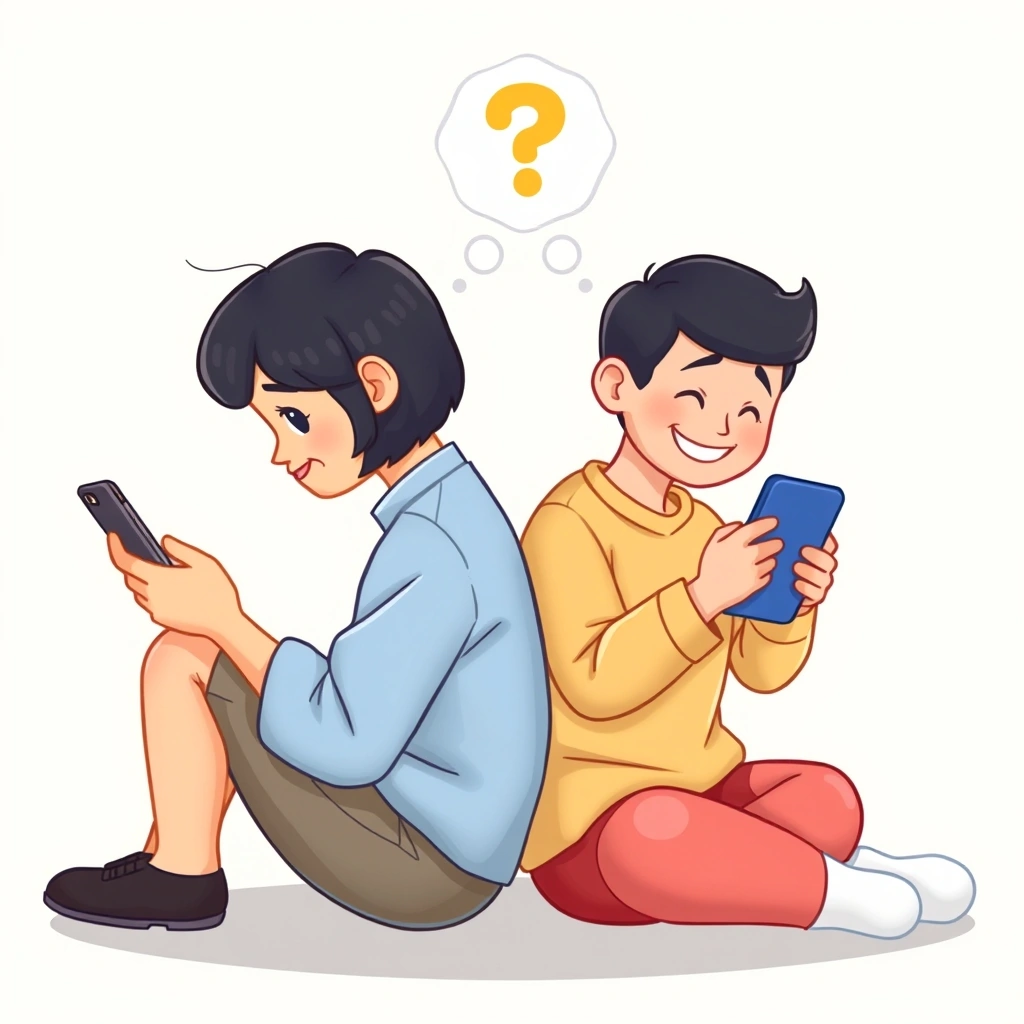
When a Single Icon Carries Too Much Weight
Sometimes, we use an emoji as a complete sentence replacement. A fire emoji to acknowledge an achievement. A thinking face to show we're considering a point. This is where the risk of misunderstanding spikes. That single symbol has to carry the entire weight of your tone, intent, and emotional response. It's a lot to ask of a little cartoon image.
What feels like efficient communication to the sender can feel like cryptic minimalism to the receiver. They're left to fill in the blanks, and our brains, being what they are, often fill them with anxiety or doubt. Was that fire emoji enthusiastic or mildly dismissive? Is the thinking face deep contemplation or skeptical judgment? The lack of surrounding words creates a vacuum, and uncertainty rushes in.
It's a phenomenon we see often, leading to those awkward pauses in digital dialogue. The conversation momentarily stalls as both parties subtly try to re-establish the emotional baseline.
Navigating the Ambiguity
So, what do we do? Abandon emojis? Of course not. Their value in adding color and emotion to our flat text is too great. The trick isn't to avoid them, but to become more aware of their potential for ambiguity.
It's about developing a kind of digital empathy. Before sending that standalone emoji, take a half-second to consider the other person's possible viewpoint. In a sensitive or formal conversation, pairing an emoji with a few clarifying words can bridge the context gap entirely. "That's amazing! 🔥" carries a different certainty than just "🔥".
It also helps to pay attention to the emoji 'dialect' you develop with different people. The way you emoji with your best friend will and should be different from how you emoji with your boss. Recognizing that these are not universal languages, but personal and relational ones, is the first step to clearer communication.
At the end of the day, these misunderstandings are a reminder of the beautiful complexity of human interaction, even in its most digitized form. They show that we're still trying to connect, to convey nuance and feeling through these small, imperfect vessels. The occasional mix-up isn't a failure of the emoji; it's proof that we're using them for what they were meant for—to express the messy, nuanced, and often context-dependent reality of being human, one tiny icon at a time. For more thoughts on the pitfalls and pleasures of emoji use, the broader category of emoji mistakes and misuse offers plenty of relatable stories.
📒 Related Blogs
More...Emojis in Marketing: Boosting Brand Engagement with Digital Icons
Beyond Text: How Emojis Shape Your Digital Identity Online
The Secret Language: How Emojis Unleash Powerful Reactions in Shared Social Posts
The Neutral Zone: How Emojis Keep Your Work Chats Calm, Clear, and Professional
How Emojis Tell the Story of Our Changing Digital World
The Fascinating Evolution of Emojis: From Emoticons to a Global Language