How Emojis Tell the Story of Our Changing Digital World

Feb 05,2026
Think about the emojis you used five years ago. Now, think about the ones you use today. Chances are, your palette has shifted. It's not just about new emojis being added to your keyboard; it's about how the meaning and weight of certain symbols change with the tides of online life. Emojis are, in many ways, the most honest historians of our digital age.
They don't just reflect language; they reflect culture. The way we joke, mourn, support, and even protest online gets crystallized into these small, colorful glyphs. A thumbs-up might mean simple approval in one context, but in another, it can carry the weight of an entire generational debate about communication styles. The stories emojis tell are woven from our collective online experiences.
The Speed of Symbolic Change
What's fascinating is the pace of this evolution. Before the internet, symbols and slang could take years or even decades to shift meaning. Now, a viral moment on a Tuesday can redefine an emoji's connotation by Friday. An emoji that once had a straightforward, literal meaning can be adopted by a specific online community and transformed into an inside joke, a badge of identity, or a nuanced expression of emotion that words alone can't capture.
This rapid repurposing shows how adaptive and creative our digital communication has become. We're not passive consumers of a fixed emoji set; we're active participants in shaping its emotional landscape. For a deeper look at this constant adaptation, you can explore more about how emojis keep up with the ever-changing digital world.
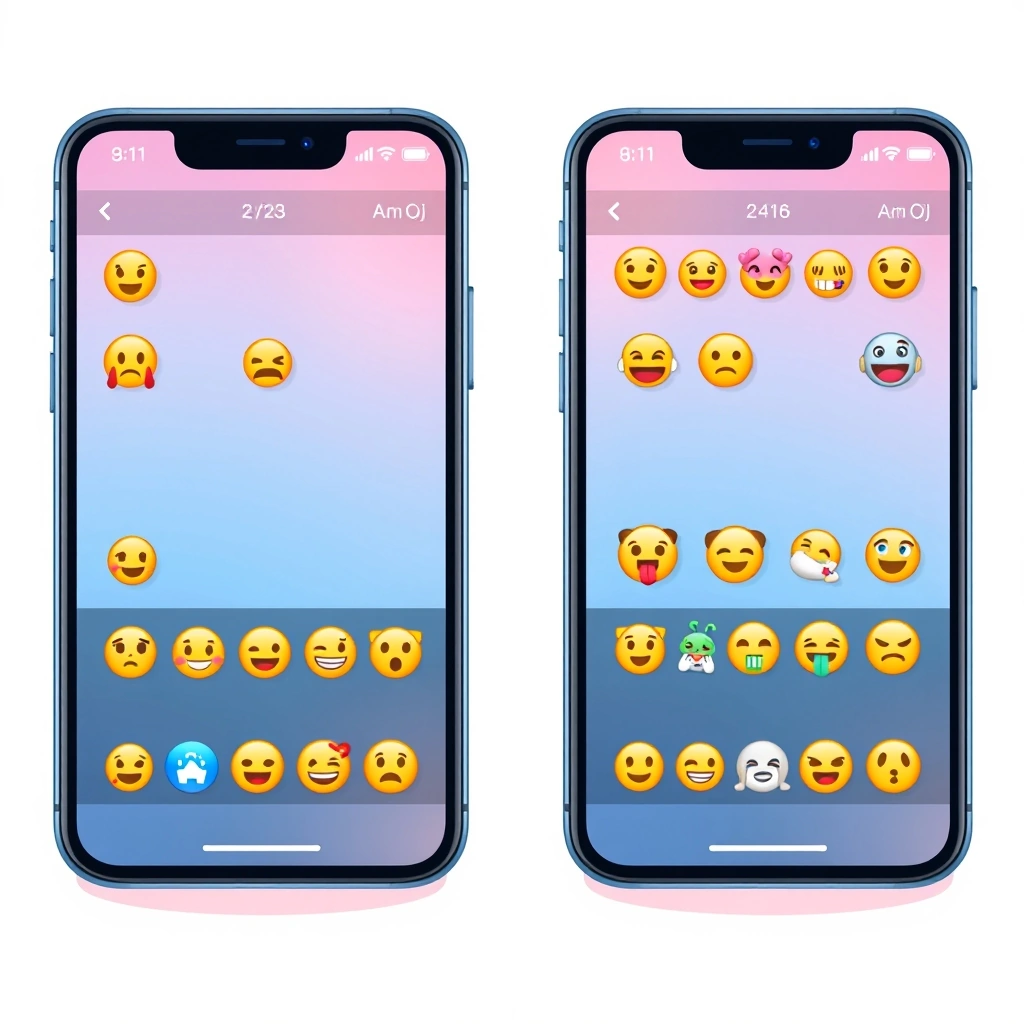
Consider the journey of the simple crying-laughing face. It skyrocketed from a popular reaction to the undisputed king of digital laughter, only to later be labeled "cringe" or "outdated" by younger users, who adopted the skull or the melting face for similar sentiments. This isn't just a trend cycle; it's a cultural marker. It signals a shift in what we find funny, how we express that humor, and our desire to differentiate our digital voice from previous generations.
Emojis as Cultural Barometers
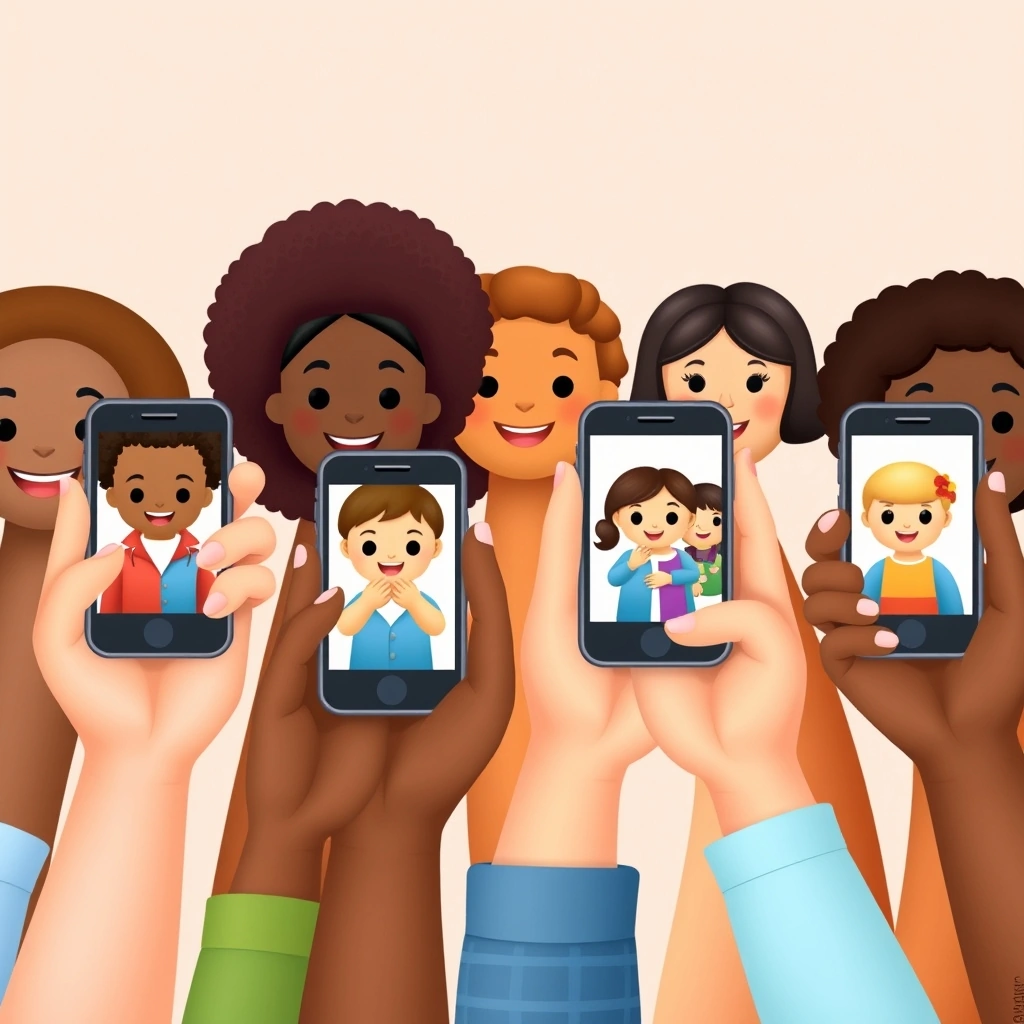
Beyond humor, emojis document our social consciousness. The push for more diverse and inclusive emoji options—across skin tones, genders, family structures, and disabilities—directly mirrors broader societal conversations about representation. The introduction of these symbols wasn't just a technical update; it was a cultural moment, acknowledging and validating the experiences of millions of users.
Similarly, emojis related to mental health, like the weighted blue heart or the face with a thermometer, have become tools for expressing vulnerability and offering support in a way that feels safer and more accessible than plain text. They provide a shared vocabulary for feelings that are often hard to articulate.
Community and Context
The meaning of an emoji is almost never universal. It's deeply contextual, shaped by the platform you're on, the people you're talking to, and the subcultures you're part of. A flame emoji in a gaming chat means something entirely different than in a foodie group. A peach isn't always just a peach. This contextual fluidity is a core feature of how emojis work—they are filled in by our shared understanding and ongoing interactions.
Viral events, memes, and major news cycles can temporarily or permanently charge an emoji with new meaning. The way a symbol gets swept up in these moments shows how tightly our visual language is linked to the real-world events that capture our collective attention. The connection between viral moments and our emoji language is a powerful example of this dynamic.
Looking at the emoji timeline is like scrolling through a highlight reel of our online emotional history. New emojis are proposed and accepted based on demonstrated need—evidence of what we, as a global community of users, are trying to say. The old ones don't disappear; they layer with new associations, becoming richer and more complex. They remind us that our digital conversations are alive, emotional, and constantly being rewritten, one tiny, colorful character at a time.
For more reflections on the intersection of emojis and the culture they spring from, feel free to browse other thoughts in our emoji culture & trends section.
📒 Related Blogs
More...The Neutral Nod: How Emojis Keep Remote Work Conversations Professional
The Art of Emoji Etiquette: Mastering Professional Communication with Emojis
Are Emojis Reshaping How We Communicate? A Comprehensive Look
The Fascinating Evolution of Emojis: From Early Pixels to Rich Expressions
The Final Touch: How Emojis Make Your Fast Messages Feel Complete
The Unspoken Language: How Emojis Cut Through Text in Familiar Chats