How Emojis Keep Up with the Ever-Changing Digital World

Jan 26,2026
Think about the last viral trend you saw online. Maybe it was a dance, a meme format, or a specific audio clip. Now, think about how you talked about it with friends. Chances are, emojis were a part of that conversation. They’re the visual shorthand that helps us react, celebrate, and commiserate in real-time. But have you ever noticed how the emojis we use for certain ideas seem to shift over time? It’s not random. Emojis are deeply responsive creatures, constantly adapting to the environment they live in: our digital platforms.
Platforms like TikTok, Instagram, and Twitter don't just host our conversations; they actively shape them through new features, algorithms, and community norms. When a platform introduces something new—like Stories, Reels, or a reaction button—our communication style adjusts. And emojis, as the most flexible part of our digital vocabulary, are often the first to change.
For example, the rise of short-form video prioritized quick, impactful reactions. A lengthy comment might get skipped, but a string of emojis—😂🔥👀—conveys a full spectrum of engagement instantly. The emoji becomes the efficient, perfect comment. Similarly, when a platform emphasizes ephemeral content (posts that disappear), the emojis used there often carry a sense of immediacy, silliness, or raw reaction, different from the more curated emojis you might use in a permanent profile bio.
This relationship is a two-way street. While platforms influence emoji use, the collective way we use emojis can also signal to platforms what’s important. If millions of people start using 🧢 to mean "lying" (based on a slang term), that emoji gains a new, platform-specific weight. It becomes a marker of being "in the know" within that digital space. You can see more about how emojis take on new meanings in different contexts in our article on how emojis find new meaning in every online space.
The Algorithm's Invisible Hand
It goes deeper than just features. The algorithms that decide what we see play a huge role. A trend blows up because the algorithm promotes it, and suddenly, a specific emoji becomes inextricably linked to that trend. Using it becomes a way to participate and gain visibility. It’s a form of cultural coding; using the "right" emoji shows you’re part of the community that follows that trend.
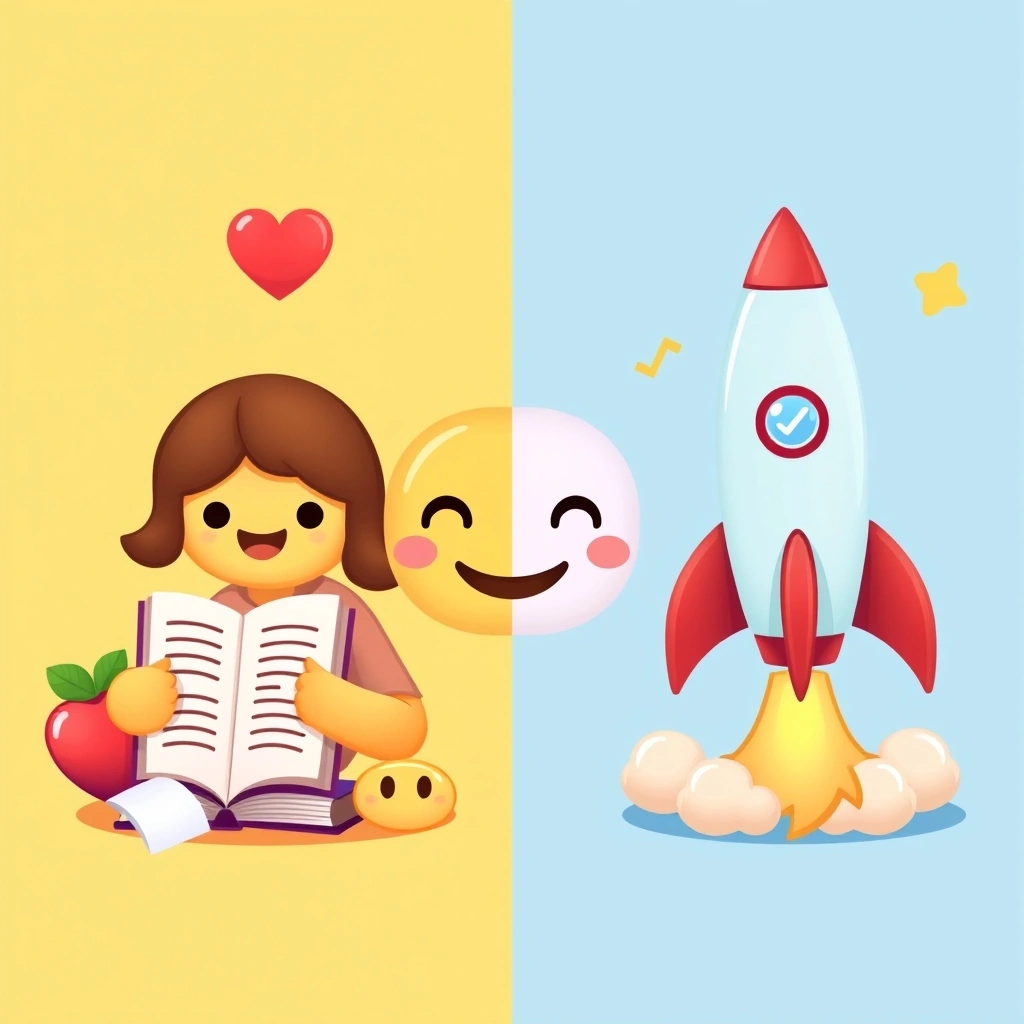
This creates fascinating, hyper-specific emoji dialects. The emoji language on BookTok (the book-loving corner of TikTok) is distinct from the one on FinTok (finance TikTok). One might be full of 📚❤️🤯, while the other trades in 📈🚀💎. The emojis respond to the dominant topics, inside jokes, and values of that micro-community.
More Than Just Decoration
This adaptability shows that emojis are far more than decorative stickers. They are functional tools for navigation and affiliation in fast-moving digital spaces. They help us filter information, express nuanced tones in text-heavy environments, and perform our belonging to various groups. When a new platform emerges, or an existing one pivots (like when a social app adds a shopping feature), watch the emojis. They’ll be among the first elements to develop new conventions and rules.
This constant evolution is what keeps emojis feeling alive and relevant. If they were static, they’d quickly feel outdated, unable to capture the texture of new jokes, struggles, or cultural moments. Their willingness to be shaped by platform-driven trends is their greatest strength. For a deeper look at the cultural rhythms of emojis, you might enjoy our piece on how emojis mirror our collective moods online.
So, the next time you instinctively reach for a different emoji than you would have a year ago, don’t question it. You’re not being random. You’re participating in a real-time, collective adaptation. You’re speaking the current version of your platform’s visual language, a language that quietly, constantly, changes right along with the digital world itself.
📒 Related Blogs
More...The Unspoken Wait: How Emojis Whisper Our Anticipation
The Silent Echo: How Emojis Speak When Words Are Hardest to Find
The Future of Emojis: Anticipating New Icons and Digital Expressions
The Unspoken Language: How Emojis Shape Your Online Conversations and Perceptions
That 'Whew!' Moment: How Emojis Whisper Relief in Our Private Chats
The Secret Language of Emojis: Decoding Regional & Cultural Differences