The Secret Language of Emojis: Decoding Regional & Cultural Differences

Dec 26,2025
Emojis have become an indispensable part of our digital conversations, adding emotion, tone, and brevity where words might fall short. We often think of them as a universal language, easily understood by anyone, anywhere. But what if we told you that your favorite emoji might convey a completely different message to someone in another country? Welcome to the fascinating, sometimes hilarious, and often surprising world of regional emoji differences!
Why Emojis Speak Differently Across Borders
The beauty and complexity of emojis lie in their ability to be interpreted through a cultural lens. Just like spoken language, the nuances of these tiny icons can shift based on societal norms, historical context, and even pop culture references. What’s perfectly innocent in one region might be offensive or suggestive in another. Understanding these differences can prevent misunderstandings and enrich your cross-cultural communication. For a vast emoji collection, you know where to look!
The Curious Case of the "Folded Hands" 🙏
Perhaps one of the most widely misunderstood emojis is the Folded Hands (🙏). In Western cultures, it's often used to express thanks, prayer, or even a 'high-five'. However, in Japan, its country of origin, it's almost exclusively used to express 'please' or 'thank you' in a more formal, respectful way, akin to the Japanese gesture of 'gassho'. Misinterpreting this can lead to awkward moments!

Laughter or Cringe? The 😂 Emoji
The Face with Tears of Joy (😂) has long been a king among emojis, often topping charts as the most used. It's universally understood for expressing extreme laughter. Yet, among younger generations in some Western countries, particularly Gen Z, it's slowly being perceived as 'cringe' or outdated, replaced by alternatives like 💀 (Skull) or 😭 (Loudly Crying Face) to convey extreme amusement. It's a subtle but significant shift demonstrating how emoji usage evolves.
When Food Isn't Just Food: 🍆 and 🍑
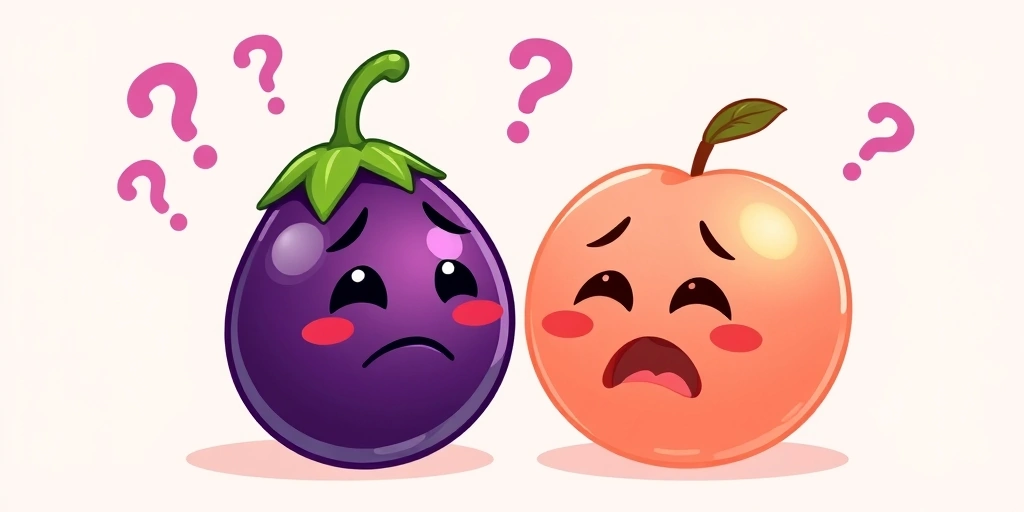
Here’s where things get really interesting – and sometimes NSFW. The Eggplant (🍆) and Peach (🍑) emojis are prime examples of how everyday objects can take on highly suggestive meanings in certain cultural contexts, especially in English-speaking countries. While originally representing their respective fruits, they are now widely understood as stand-ins for male and female anatomy. Using these innocently can lead to very different interpretations, making context absolutely crucial. Need to copy emoji without cultural blunders? Always be mindful!
Understanding the Nuances of Emoji Communication
So, how do we navigate this complex world of emoji communication? The key is awareness and context. Cultural context plays the biggest role; what's acceptable or common in one society might not be in another. Generational differences also matter, as we saw with the 😂 emoji. Furthermore, the platform you're using can subtly alter an emoji's appearance, potentially impacting its perceived meaning. While most variations are minor, some can be significant enough to warrant a second glance.
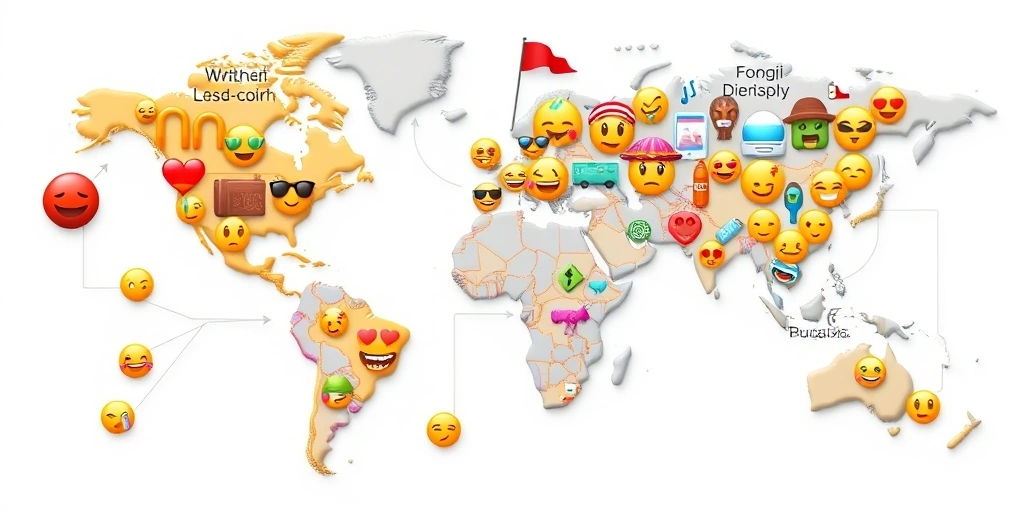
Ultimately, emojis are a living, breathing part of our communication. They adapt, evolve, and reflect the cultures that use them. By understanding these regional and generational differences, we can become more effective and empathetic digital communicators, truly appreciating the rich tapestry of human expression that these tiny icons represent.
📒 Related Blogs
More...Emoji Magic: Why a Simple Icon Beats a Thousand Words in Casual Conversation
Emojis in Marketing: How Brands Connect & Speak Your Language Digitally
The Silent Language: How Emojis Fill the Gaps in Our Daily Texts
The Secret Life of Emojis in Slow Chats: How a Simple Icon Changes Everything
The Silent Power of Emojis: How They Keep Our Chats Light & Lively
Emojis & Mental Health: Expressing Emotions Digitally for Well-being