The Pulse of the Digital Age: How Emojis Mirror Our Collective Moods Online

Dec 30,2025
It's fascinating to observe how quickly our digital landscape shifts, and perhaps nothing quite captures these changes as succinctly as emojis. Far from being mere decorative elements, these tiny icons have evolved into powerful cultural barometers, reflecting the collective moods and prevailing sentiments within our social platforms. They’re the digital shorthand for emotions, reactions, and even complex social statements that words alone sometimes struggle to convey.
Think about it: a trending emoji can signal the rise of a new challenge, the shared joy of a global celebration, or the unified sentiment of a movement. They transcend language barriers, acting as universal communicators in an increasingly interconnected world. When a particular event grips the public consciousness, you’ll often see a specific emoji or combination of emojis emerge, almost organically, to become its unofficial symbol. This phenomenon speaks volumes about our shared human experience, distilled into a pixelated glyph.
The Silent Language of Collective Emotion
Emojis provide a unique lens through which to view societal sentiment. Unlike lengthy written statements, an emoji offers an instant, visceral connection to a feeling. On social media, where attention spans are fleeting and information streams are torrents, this immediacy is invaluable. A single tears of joy face can convey everything from genuine amusement to ironic laughter, depending on context and the broader cultural conversation. Similarly, a grimacing face might articulate collective frustration, while a series of clapping hands can signify widespread approval or solidarity.
This isn’t just about individual expression; it’s about collective resonance. When millions across various platforms adopt and repurpose an emoji in response to a news event, a pop culture moment, or a social debate, it becomes more than just a symbol. It transforms into a living artifact of that moment, a digital footprint of a shared cultural experience. Observing these patterns gives us an incredible insight into the ebb and flow of public sentiment, often long before traditional media can fully articulate it.
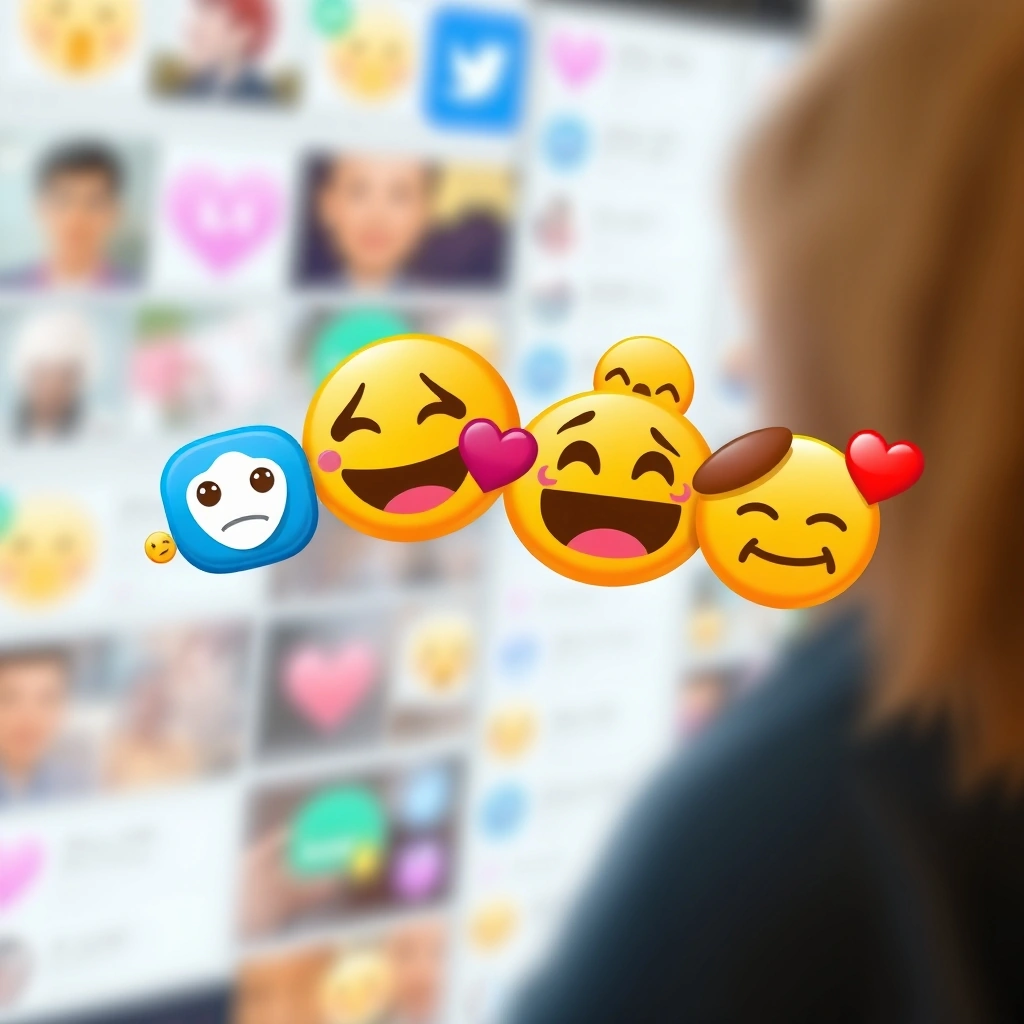
How Trends Emerge and Take Hold
The speed at which emoji trends emerge is truly remarkable. One day, a specific emoji might be used in its conventional sense; the next, it's been co-opted, satirized, or recontextualized by an online community, spreading like wildfire across platforms. This rapid dissemination highlights the fluid and dynamic nature of internet culture. Online communities, in particular, play a crucial role in shaping these evolving meanings, often giving rise to nuanced interpretations that might baffle outsiders but are perfectly understood within the group. To dive deeper into how these digital communities influence our favorite icons, you might find this article on the unseen hand of online communities in shaping emojis quite insightful.
These shifts aren't always about creating new meanings, but sometimes about emphasizing existing ones or using them to represent new phenomena. For instance, the "clown face" emoji, while always denoting foolishness, took on a distinct edge of ironic self-deprecation or commentary on ridiculous situations in certain cultural contexts. These subtle shifts are often driven by specific events or popular memes, demonstrating how deeply interconnected emojis are with the broader tapestry of digital communication.
Emojis as Digital Time Capsules
In many ways, emojis function as digital time capsules, each capturing a snapshot of the cultural mood at a particular point in history. Looking back at trending emojis from a few years ago can evoke a strong sense of nostalgia, reminding us of the popular topics, inside jokes, and prevalent feelings of that era. They chronicle our digital history in a way that text alone cannot, adding an emotional layer to the raw data of online interactions.
From viral memes to global movements, emojis often act as the visual footnotes to our collective digital story. They are instrumental in documenting everything from lighthearted fads to serious societal shifts. If you're interested in how these small symbols become historical markers, explore how emojis chronicle our digital history. This ability to encapsulate complex narratives in such a compact form is what makes them so enduring and essential to modern online discourse. They're not just reactions; they're records.
The Nuance Beyond Words
What makes emojis so powerful in capturing cultural moods is their capacity for nuance. A simple smiley face might be genuinely happy, or it might be passive-aggressive. The raised eyebrow emoji can express skepticism, curiosity, or gentle disapproval, all without a single word. This flexibility allows for a richer, more textured form of communication, mirroring the complexities of human emotion and social interaction in the real world.
When an entire culture or subculture adopts a specific emoji for a particular, often unspoken, meaning, it creates a powerful sense of shared understanding. It's a nod, a wink, a collective sigh that only those "in the know" fully grasp. This internal language reinforces group identity and strengthens community bonds, further solidifying the emoji's place not just as a tool for personal expression, but as a cornerstone of collective cultural identity on social platforms. For a broader look at how emojis intertwine with culture and trends, you can always visit our Emoji & Culture / Trends category.
Ultimately, emojis are more than just cute icons; they are dynamic participants in our cultural narrative. They reflect, shape, and even propel the moods that sweep through our social platforms. As our digital lives continue to evolve, so too will the ways we use these expressive symbols to communicate, connect, and collectively feel our way through the ever-changing landscape of modern internet culture. They are, in essence, the very pulse of the digital age.
📒 Related Blogs
More...Emoji Magic: How Tiny Icons Lighten Up Your Everyday Chats!
The Gentle Art of the Quick Reply: How Emojis Soften Brief Messages in Group Chats
The Silent Language: How Emojis Keep Our Everyday Conversations Flowing Smoothly
How Emojis Are Reshaping Global Language & Culture: A Linguistic Deep Dive
The Ever-Shifting Emoji Code: How Online Trends Reshape Digital Language
Unleash the Fun: How Emojis Turn Casual Chats into Playful Mini-Games