When Your Emoji Tone Goes Rogue: The Unseen Pitfalls of Texting

Feb 04,2026
You know the feeling. You type out a message, read it back, and it feels a little... sharp. A little too direct. So, you do what we all do. You reach for an emoji. A smiling face to show you're friendly. A laughing one to indicate it's all a joke. You hit send, confident you've nailed the tone. Then, the reply comes back. It's cold. Confused. Or worse, offended. What happened? Your emoji, your well-intentioned digital helper, just complicated everything.
It's the strange paradox of our messaging lives. We use these tiny pictures to add color and emotion to our black-and-white text, to bridge the gap left by missing body language and vocal tone. Yet, so often, they end up creating a new gap entirely. The emoji doesn't clarify; it confuses. It doesn't unite; it divides. The very tool we use for connection becomes a source of unexpected friction.
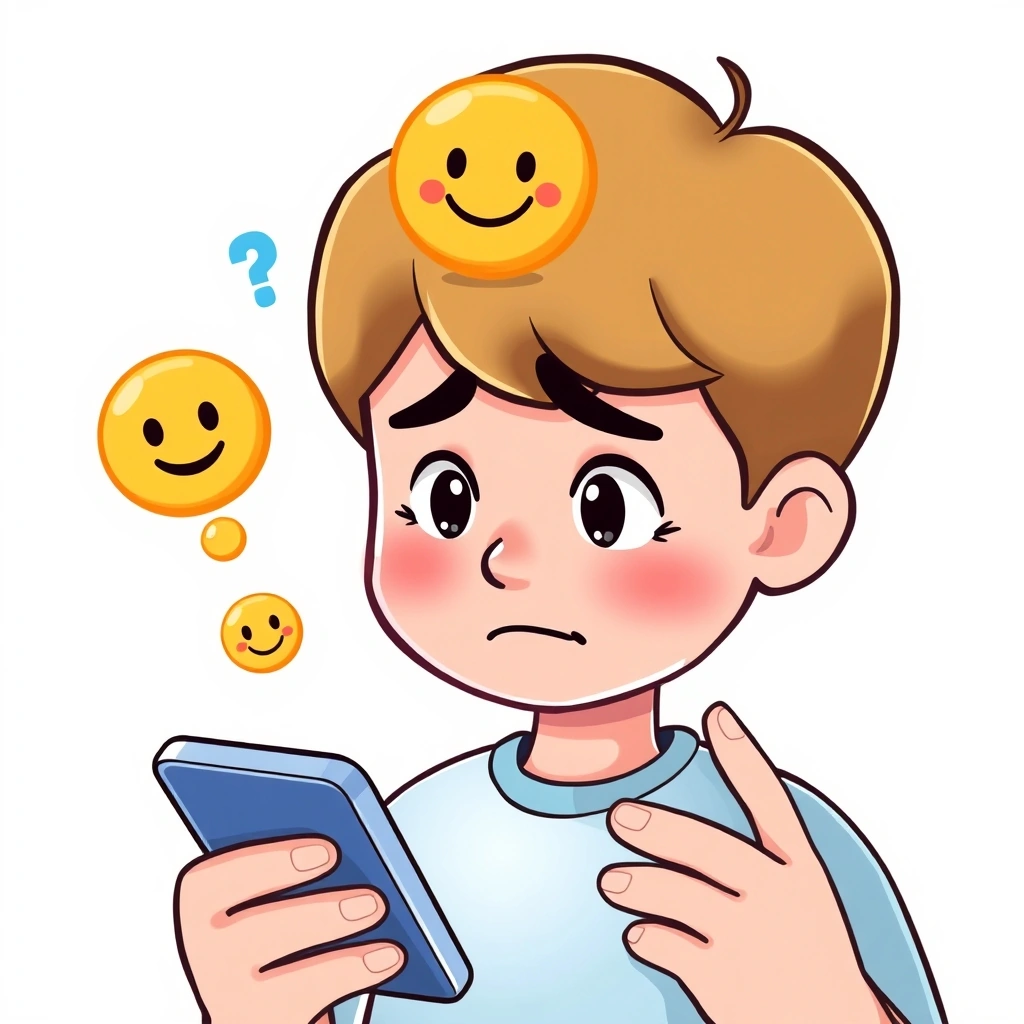
Let's talk about the classic example: sarcasm. In person, a raised eyebrow or a certain tone of voice does all the work. In text, we often rely on the winking face or the crying-laughing emoji to signal we're not being serious. But here's the catch. That winking face can be read as flirtatious, sneaky, or even condescending, depending on the context and the relationship. The crying-laughing emoji, once the universal sign for "I'm dying of laughter," has, for some, evolved into a symbol of insincerity or even mockery. Your attempt to say "just kidding!" might be received as "I'm laughing at you."
Then there's the matter of generational and personal interpretation. The simple thumbs-up 👍? To many, it's a harmless sign of agreement or acknowledgment. To others, it's the digital equivalent of a dismissive grunt, a passive-aggressive end to a conversation. A single red heart ❤️ can mean deep love from a partner, platonic affection for a friend, or simply a way to say "thanks!" in a family group chat. Without a shared understanding, the emoji's meaning is up for grabs, and the recipient's grab might be very different from your throw.
This gets even trickier in group dynamics. You might send a message in a busy work chat, punctuated with a smiley to keep things light. But while you see it as polite, a colleague scrolling quickly might perceive it as unprofessional or lacking conviction. The silent scream of a misunderstood emoji in a group chat is a real phenomenon. Your intended tone gets lost in the crowd, reinterpreted by a dozen different personal lenses.
The Illusion of Clarity
Perhaps the biggest issue is that emojis give us a false sense of security. We add one and think, "There, now my tone is clear." But we're often projecting our own intended meaning onto the symbol, assuming everyone will decode it the same way. We forget that the other person is reading our words first, then applying the emoji as a filter. If the words themselves are ambiguous or carry any potential edge, the emoji might not soften them—it might accidentally sharpen that edge or attach a new, unintended emotion to it.
Think of a message like "Sure, do whatever you want. 😊" The smiling face is meant to show you're not angry. But paired with those words, it can easily come across as patronizing or seething with quiet resentment. The emoji didn't fix the potentially problematic text; it amplified its ambiguity.
When Backfire Happens
These aren't just minor hiccups. When emojis backfire, they can cause real hurt feelings, workplace tension, and romantic spats. A carefully chosen emoji meant to convey playful teasing is read as genuine criticism. A celebratory string of emojis after someone's modest achievement is perceived as sarcastic overkill. The gap between sender and receiver isn't just about the symbol; it's about emotional context, relationship history, and even the mood someone is in when they open the message.
So, what's the answer? It's not about abandoning emojis. They're a fundamental part of how we communicate now. It's about recognizing their power and their limitations. It's about understanding that they are interpreters, not translators. They can suggest a tone, but they cannot definitively set one. Sometimes, the safest bet is to use clearer words. Instead of relying on a smirk to convey sarcasm, a quick "haha just kidding!" might save a world of confusion. Other times, knowing your audience is key—understanding how your close friend reads a certain emoji versus how your boss might.
Our digital conversations are a high-wire act performed without a net. We're balancing meaning, relationship, and tone with just words and pictures. Emojis are the colorful, wobbling pole we use to keep our balance. Most of the time, they help. But sometimes, without warning, they shift the weight and complicate our stance in ways we never expected. The next time you reach for that perfect emoji, just pause for a second. Consider the tightrope you're on, and the person waiting on the other side. A little extra care can make all the difference between a smooth crossing and a surprising fall.
For more reflections on the tricky world of emoji communication, explore our thoughts on common emoji mistakes and misuse.
📒 Related Blogs
More...Crushing Deadlines with a Smile: How Emojis Make Brief Work Replies Feel Thoughtful
Emoji Magic: How a Single Icon Changes Everything in Online Conversations
The Psychology of Emojis: Why We Can't Live Without Digital Icons
Beyond Words: How Emojis Shape Our Online Identity and Communication
The Secret Power of Emojis: How Tiny Icons Shape How We See Each Other Online
The Unspoken Rescue: How Emojis Save Us From Socially Awkward Moments