When Emojis Backfire: The Hidden Misunderstandings in Your Texts

Feb 03,2026
We've all been there. You send a quick text, add a friendly emoji for good measure, and then... silence. Or worse, a reply that feels a little off. That sinking feeling in your stomach is the unmistakable sign of an emoji misunderstanding. In a world where so much of our communication is stripped of tone and body language, we lean on these little pictures to fill the gap. But what happens when the gap gets wider instead?
Emojis are a language of their own, but it's a language without a universal dictionary. What feels like a harmless joke to you might read as sarcasm to your friend. A symbol of support might be interpreted as pity. The context—who you're talking to, the platform you're using, and the words surrounding the emoji—creates meaning, and sometimes that meaning gets lost in translation.
The Professional Pitfall
Nowhere is the risk higher than in professional communication. That quick "thumbs up" to your boss on a project update? Efficient to you, potentially curt or dismissive to them. The classic smiley face in a client email intended to seem approachable can, in certain contexts, come across as unprofessional or even passive-aggressive.
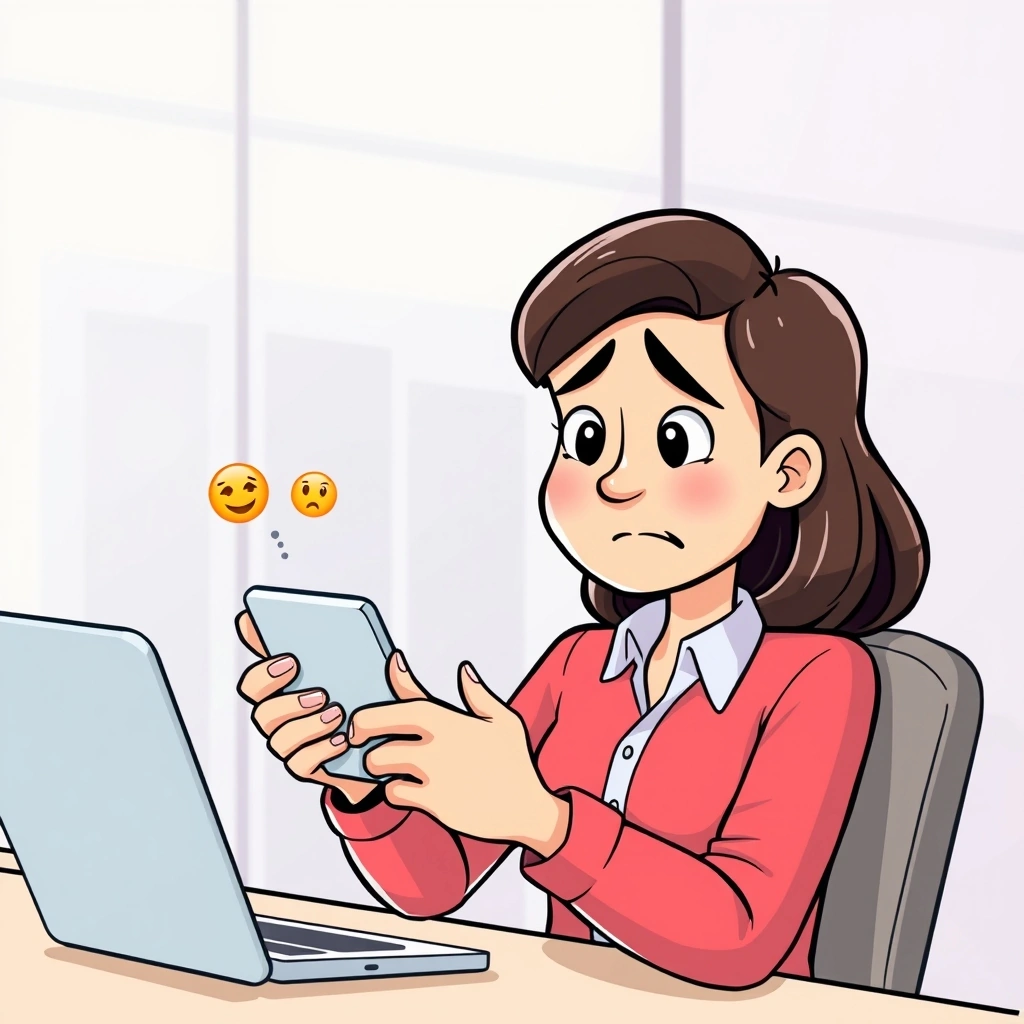
I once used a simple grinning face in a Slack message to a new colleague after they completed a task. My intention was pure encouragement: "Great job! :)" Their response was a hesitant "...thanks? Was there something wrong with it?" The smile, meant to soften the text, was read as masking criticism. It was a small moment, but it taught me that in a workplace, especially with people you don't know well, the safest emoji is often no emoji at all. For more on navigating these digital social minefields, our guide on emoji awkwardness dives deeper.
The Generational and Cultural Divide
Misunderstandings aren't just about professionalism. They span generations and cultures. The "folded hands" emoji 🙏 is a perfect example. To many, it means "thank you" or "please." To others, it's a high-five. And to others still, it's a symbol of prayer. If you send it to a friend to say "thanks for the help," they might think you're asking for a high-five or making a religious statement.
Similarly, the "crying laughing" face 😂 has evolved. For Gen Z, it can sometimes be seen as cringe or "old." They might opt for the skull 💀 or the sobbing face 😭 to express the same level of amusement. Using the "wrong" one in a group chat can subtly mark you as out of touch. It's less about the emoji itself and more about the shared understanding—or lack thereof—within your specific social circle.
When Intentions Collide
The most personal misunderstandings happen in our closest relationships. A partner sends a string of heart emojis ❤️🔥💘. One person sees overwhelming affection. The other might feel it's over-the-top or insincere, a replacement for actual words. The infamous period at the end of a text sentence can feel aggressive; an emoji used in its place can feel equally loaded.
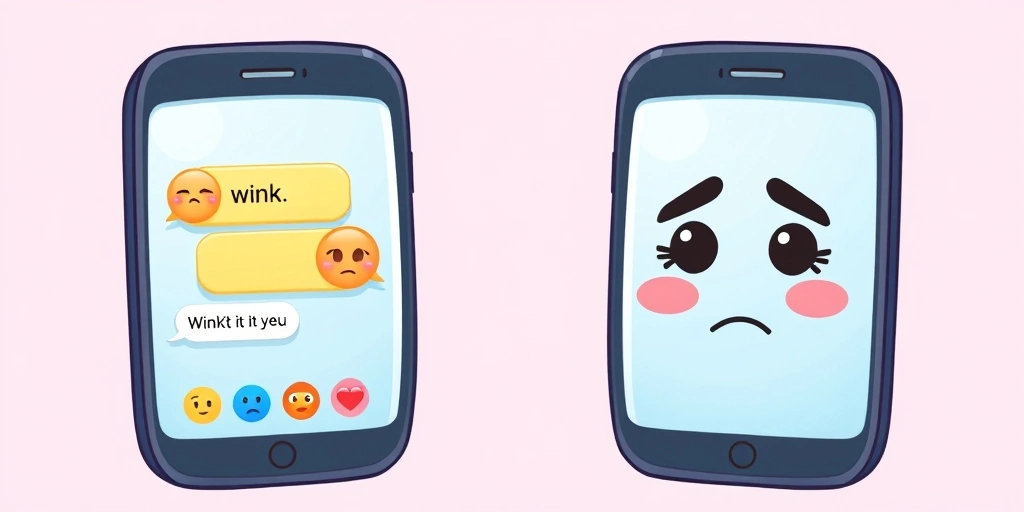
Consider the simple wink 😉. It can mean: "I'm joking," "This is our secret," "I'm flirting with you," or "Don't take this seriously." If your friend texts "See you later 😉", it's probably harmless. If your crush sends it after a vaguely suggestive comment, the entire meaning of the conversation shifts. The emoji doesn't create the subtext, but it amplifies whatever subtext the reader is already looking for. This is a common theme in when emojis miss the mark.
Navigating the Ambiguity
So, what do we do? Abandon emojis entirely? Of course not. They add color, emotion, and personality to our digital lives. The key is mindful use.
First, know your audience. Your best friend will get your weird, niche emoji combinations. Your new client probably won't. Second, when in doubt, use words. If an emoji feels like it could be misinterpreted, a simple "haha" or "just kidding!" can provide the clarity the picture can't. Finally, don't be afraid to ask. If someone sends you an emoji that confuses you, a gentle "What did you mean by the zombie emoji? 😅" can clear the air instantly and even become an inside joke.
Emojis are a brilliant, evolving tool for human connection. But like any tool, they require a bit of skill and a lot of context to use effectively. Their power lies in their emotional shorthand, but that's also their greatest weakness. They pack a lot of meaning into a tiny space, and sometimes that meaning spills out in ways we never intended. The goal isn't perfection—it's awareness. By paying attention to these little moments of confusion, we get better at understanding each other, one pixelated heart or facepalm at a time. For more stories and insights on the complex world of digital expression, explore our collection on emoji mistakes and misuse.
📒 Related Blogs
More...The Silent Cheers: How Emojis Have Become Our Everyday Excitement Detectors
5 Creative Ways Emojis Boost Your Brand's Social Media Engagement
The Secret Sauce: How Emojis Make Your Short Group Chat Messages Feel Truly Intentional
Clarity in Every Chat: How Emojis Prevent Misinterpretations in Professional Messaging
How Emojis Became Our Secret Weapon for Calming Awkward Chats
The Invisible Hand: How Emojis Steer Understanding in Online Communities