Beyond Words: How Emojis Shape Our Online Identity and Communication

Dec 18,2025
In the vast ocean of digital communication, where words often fall short, emojis have emerged as powerful navigators. What began as simple graphical representations have blossomed into an integral part of our online identity, shaping how we express ourselves, understand others, and build connections. They are more than just cute icons; they are a universal language, transcending linguistic barriers and adding a much-needed layer of emotional depth to our typed conversations.
The Digital Mirror: Emojis as Extensions of Self
Think about your most frequently used emojis. Do they reflect your personality? Your mood? For many, emojis serve as a digital mirror, reflecting who we are and how we feel in the online realm. Whether it's the playful smirk of a 😉, the thoughtful ponder of a 🤔, or the celebratory pop of a 🎉, our choice of emojis speaks volumes. They help us craft a persona, a brand, or simply convey our current state of mind without having to type out long explanations. This curated selection becomes a part of our digital fingerprint, instantly recognizable to those who know us.
Beyond the Text: Adding Emotional Nuance
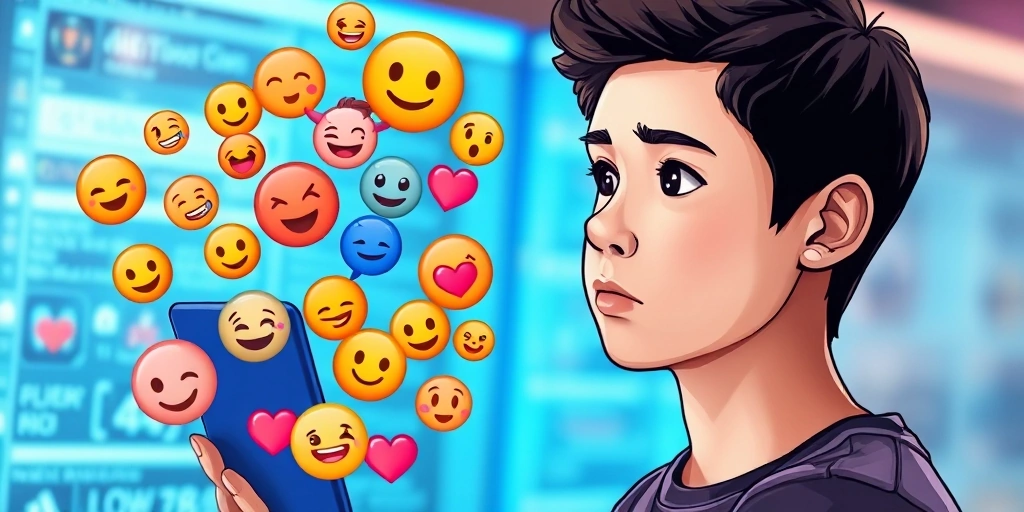
Text alone can be notoriously flat, often leading to misunderstandings. Is that sarcastic? Are they genuinely happy? Emojis fill this void, acting as vital cues that convey tone, intent, and emotion. A simple "Okay" can mean vastly different things when followed by a 👍 versus a 🙄. They help bridge the gap in non-verbal communication, making our digital interactions richer and more human. It’s like adding a smile, a frown, or a shrug to a conversation that otherwise only exists in characters. Many users frequently visit emojilar to find the perfect expression.
Building Bridges: Community and Connection Through Emojis
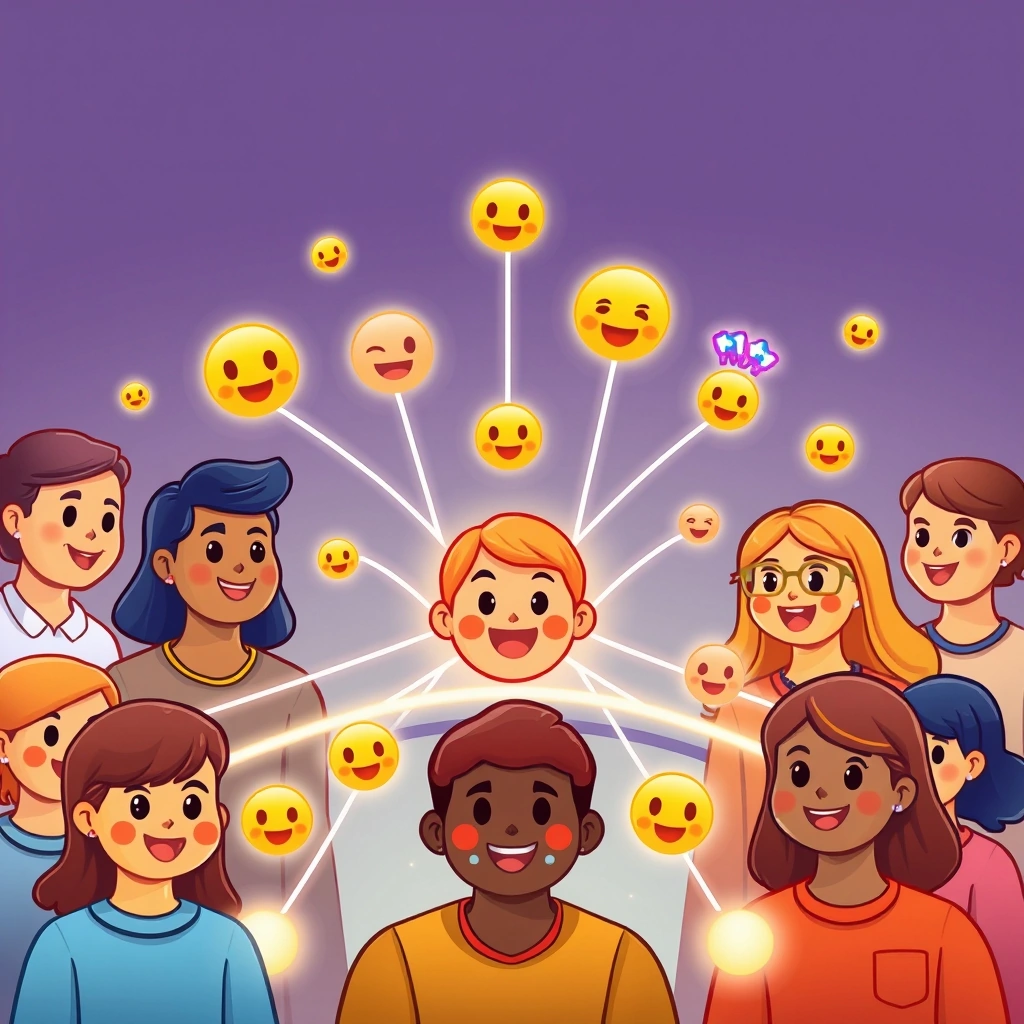
Emojis don't just help individual expression; they also play a crucial role in fostering community and connection. Shared inside jokes often revolve around specific emoji usage. A group of friends might use a particular animal emoji to represent themselves, or a community might adopt a unique combination to signal their shared interests. This common visual language creates a sense of belonging and camaraderie, making digital spaces feel more intimate and personal. The ability to copy emoji and paste them seamlessly across platforms makes this sharing effortless.
The Evolution of Meaning: From Simple to Symbolic
The meaning of emojis isn't static; it evolves with internet culture. An emoji initially designed for one purpose might take on an entirely new meaning within specific online communities. This dynamic nature is what makes them so fascinating and powerful. Understanding these subtle shifts is key to truly grasping the nuances of online identity and communication. For instance, the Smiling Face with Smiling Eyes (😊) might convey genuine happiness, while for some, it might subtly imply something else depending on context. The complexity added by the Thinking Face (🤔) emoji showcases how a single icon can encapsulate a rich thought process.
In conclusion, emojis have cemented their place not just as accessories to our text, but as fundamental components of our online identities. They empower us to communicate more expressively, reduce ambiguity, and forge deeper connections in the digital age. As technology advances, their role will only continue to grow, offering new ways to convey who we are and how we feel, beyond the limits of mere words.
📒 Related Blogs
More...From Viral Memes to Global Movements: How Emojis Chronicle Our Digital History
The Secret Ingredient to Playful Chats: How Emojis Turn Talk into a Game
When Emojis Miss the Mark: The Unseen Awkwardness in Digital Chats
The Unspoken Language: How Emojis Gently Guide Conversations Through Sensitive Topics
The Unspoken Rules: How Emojis Reveal Social Expectations in Your Private Chats
The Delicate Art of the Work Emoji: Finding the Perfect Tone in Professional Chats