The Silent Sigh of Relief: How Emojis Soothe Emotional Uncertainty in Everyday Chats

Dec 29,2025
Ever found yourself staring at a text message, heart pounding just a little, wondering how your words will land? In our hyper-connected world, digital conversations are the backbone of our social lives, yet they often lack the rich tapestry of non-verbal cues that make in-person interactions so much clearer. This absence can leave us adrift in a sea of emotional uncertainty, where a simple reply can feel like navigating a minefield.
That's where emojis step in, becoming our silent allies, particularly when we need to communicate relief. They’re not just cute little pictures; they're powerful emotional shortcuts that can diffuse tension, clarify intent, and provide a much-needed emotional buffer in moments of ambiguity. Think about it: a well-placed emoji can save a paragraph of explanation, preventing misunderstandings and fostering a sense of immediate connection.
Bridging the Emotional Gap with a Tap
Imagine you've sent a slightly sensitive message, maybe something that could be taken two ways. You hit send, and then the waiting game begins. The silence stretches, and your mind races through all the possible negative interpretations. Then, ping! A reply arrives, not with a stern lecture, but with a relieved sigh emoji (😮💨) or a gentle smile (😊). Suddenly, the tension drains from your shoulders. That tiny graphic has just communicated, "It's okay, I understand, no worries." It’s an instant calming agent, a digital pat on the back that reassures you everything is alright.
This isn't just about avoiding conflict; it's about fostering safety and clarity in our interactions. Emojis allow us to express nuanced feelings without the pressure of finding the perfect words, which can be especially tricky when emotions are high or when we're unsure of the other person's state of mind. They create a space where feelings can be acknowledged safely.

When Words Fail, Emojis Prevail
Consider a situation where a friend shares some mildly troubling news, perhaps a minor setback or a stressful day. You want to offer support, but a full-blown sympathy message might feel overbearing, and a simple "That sucks" feels insufficient. A thoughtful emoji, like a comforting hug (🫂) or a sympathetic face (🥺), can convey empathy and care without requiring a lengthy, potentially awkward response. It says, "I see you, I hear you, and I'm here for you," all in a single tap. It's an understated yet profound way to show you care, allowing the other person to feel understood without feeling overwhelmed.
These small digital gestures are particularly potent because they mirror the non-verbal cues we rely on so heavily in face-to-face conversations. A nod, a gentle touch, a softening of the eyes – these are all signals that help us navigate emotional landscapes. Emojis serve a similar purpose in the digital realm, acting as vital signposts that guide our interpretations and soothe our anxieties. If you're interested in how emojis act as essential emotional buffers, you can learn more about navigating uncertainty with a single tap.
The Power of "Phew" in a Pixel
It’s not always about big, dramatic moments. Often, it's the subtle everyday interactions where emojis truly shine. Maybe you're coordinating plans, and there's a slight misunderstanding about timing. Instead of a long explanatory text that could escalate tension, a quick "Got it! Thanks for clarifying! 😅" instantly resolves the potential awkwardness. The "😅" (grinning face with sweat) communicates a sense of self-deprecation and relief, signalling, "My bad, glad we sorted that out," without anyone having to say it explicitly.
This ability to quickly and clearly convey relief is invaluable. It reduces cognitive load, meaning we spend less time overthinking the intentions behind messages. Instead of deciphering ambiguous text, we receive a clear emotional signal that tells us the coast is clear. It’s a collective sigh of relief, shared across screens, that keeps our conversations flowing smoothly and our emotional well-being intact.
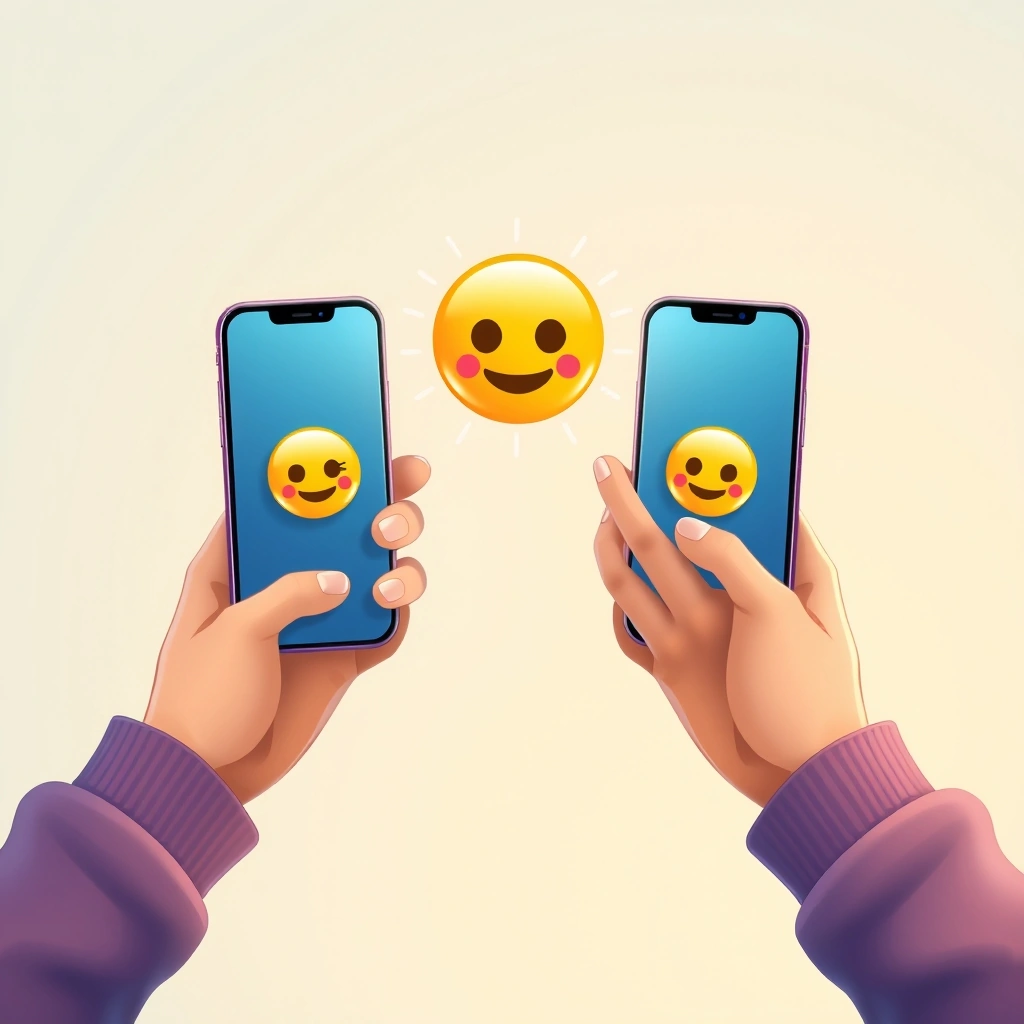
Fostering Authenticity and Connection
Beyond just avoiding misunderstanding, emojis help foster more authentic connections. By providing an outlet for expressing complex emotions like relief, they encourage us to bring more of our true selves into our digital interactions. We don’t have to stiffen our language or hide our initial anxieties; we can acknowledge them with a quick emoji and move forward, feeling seen and understood. This makes our online relationships feel more human, more personal, and ultimately, more robust.
In a world where digital communication often feels rapid and sometimes impersonal, these small acts of emotional clarity make a huge difference. They remind us that there's a human on the other side of the screen, capable of feeling, understanding, and offering reassurance. Emojis, in their unassuming way, empower us to navigate the delicate dance of emotional uncertainty with grace and ease, transforming potentially stressful moments into opportunities for connection and shared relief. For more on the broader role of emojis in expressing feelings, dive into our emoji & emotion category.
So next time you find yourself in a moment of emotional uncertainty in a chat, don't underestimate the power of that tiny, perfect emoji. It just might be the digital equivalent of a breath of fresh air, making all the difference.
📒 Related Blogs
More...Lost in Translation? The Surprising Ways Emojis Stir Up Mixed Reactions Online
The Pause Before the Emoji: How a Tiny Symbol Can Hold Space in a Difficult Conversation
5 Creative Ways Emojis Boost Your Brand's Social Media Engagement
The Anticipation Pixel: How Emojis Bridge the Gap in Emotional Uncertainty
The Unspoken Stop Sign: How Emojis Mark the End of a Chat
The Unsung Heroes of Remote Work: How Emojis Smooth Out Digital Communication