The Secret Language of Generations: How Emojis Shape Our Digital Conversations

Dec 28,2025
In the vast, ever-evolving landscape of the internet, communication is a fascinating beast. While words remain our primary tool, a more subtle yet powerful language has emerged, one that speaks volumes without uttering a single syllable: emojis. These tiny icons have become integral to how we express ourselves, connect, and even identify with our digital tribes. More strikingly, they serve as a unique signal, revealing distinct generational communication habits in modern internet culture.
It's not just about what emojis we use, but how we use them, the frequency, and the underlying meaning we imbue them with. This visual shorthand creates a unique cultural fingerprint for each generation, telling a story about their digital fluency and emotional expression.
The Silent Signals: Decoding Generational Emoji Use
Gen Z: The Masters of Nuance and Irony
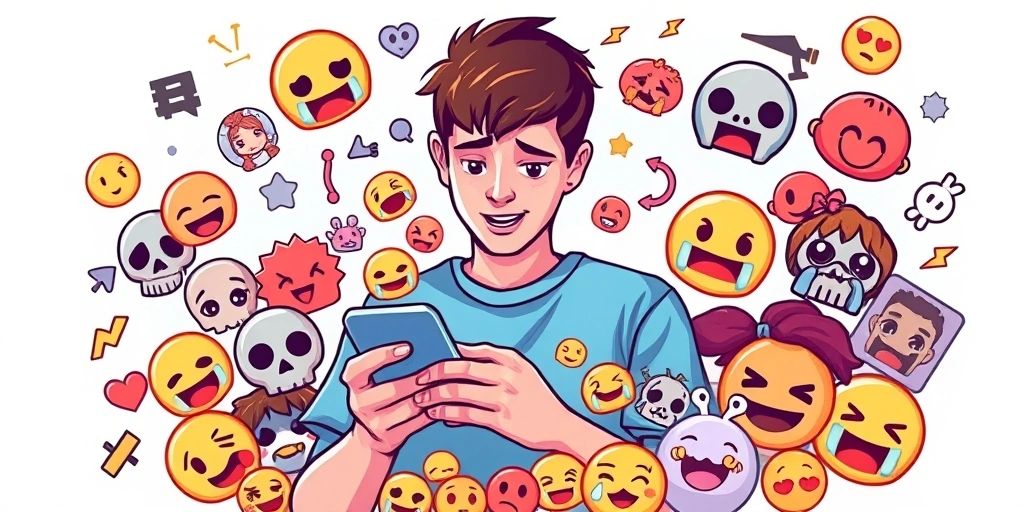
Look at Gen Z’s emoji usage, and you’ll find a vibrant, often ironic, and highly nuanced lexicon. For this truly digital native generation, emojis aren't just an add-on; they're an intrinsic part of their speech. They often use emojis to convey sarcasm, deep emotion, or even to replace entire words. A skull emoji 💀 might signify "I'm dead" from laughing, or extreme embarrassment, rather than actual demise. The crying laughing emoji 😂, once a universal symbol of humor, has subtly fallen out of favor with many Gen Zers, replaced by the loudly crying face 😭 to indicate something is truly hilarious, or more often, a string of niche, less conventional emojis.
Their understanding of emoji meaning is incredibly fluid, constantly shifting with trends and inside jokes. This dynamic approach makes their digital conversations rich with subtext, but potentially baffling to older generations. They're masters of using emojis to create a specific vibe or mood, often with minimal effort.
Millennials: Bridging the Digital Divide
Millennials, often considered digital pioneers, occupy a fascinating space. They grew up transitioning from dial-up to broadband, from flip phones to smartphones, and from text-only communication to a world rich with visual aids. Their emoji use often serves as a bridge, incorporating visual cues into their messages to add tone, emotion, or emphasis. The classic 😂 emoji remains a strong contender for expressing amusement, alongside hearts ❤️, smiling faces 😊, and thumbs-up 👍. Their usage tends to be more straightforward than Gen Z's, aimed at clarifying sentiment rather than creating layers of irony. They were the first to truly integrate emojis into everyday communication, setting the stage for what came next.
Gen X and Boomers: A More Traditional Approach
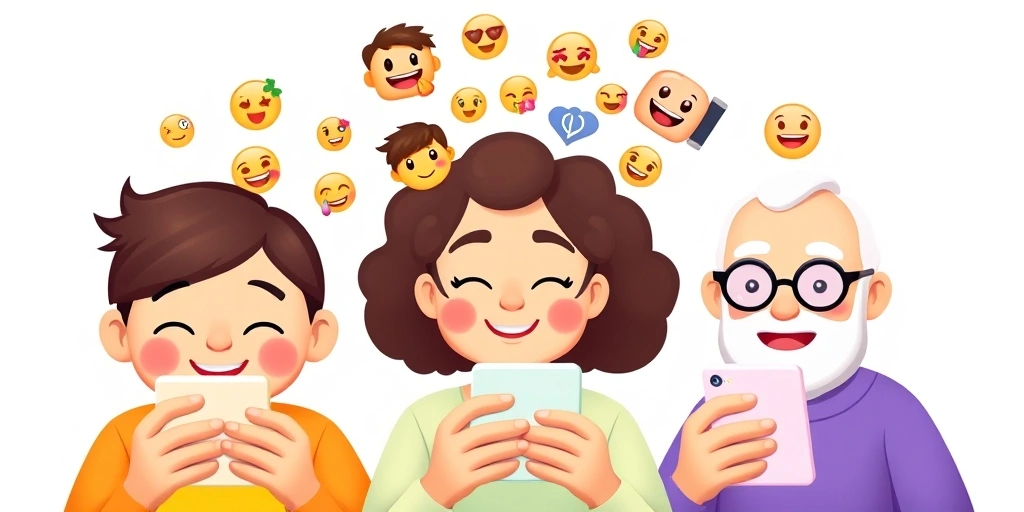
For Gen X and Baby Boomers, emojis often play a more functional, direct role. Their digital communication habits were forged in an era where text was king, and emojis were novelties, if present at all. When used, emojis typically serve as clear, unambiguous indicators of emotion or affirmation. A simple thumbs-up 👍 to confirm receipt, a smiling face 🙂 to convey friendliness, or a red heart ❤️ for affection are common. The nuance and ironic layering seen in younger generations' emoji use are less prevalent, leading to occasional misinterpretations. For them, emojis often augment text, whereas for Gen Z, they can sometimes be the text. This isn't a deficiency; it's a reflection of different digital upbringings and communication norms.
Why the Emoji Divide Matters
The Evolution of Digital Fluency
These generational differences highlight the evolving nature of digital fluency. Younger generations, being digital natives, naturally develop a more intuitive and flexible understanding of online communication tools, including emojis. They learn these visual languages organically through constant immersion. Older generations, on the other hand, often approach digital communication with established linguistic habits, adapting emojis into existing structures rather than integrating them as a primary form of expression. This spectrum of adoption influences everything from how we react to viral content to how we build rapport online. You can explore more about how these digital trends take hold in our Emoji & Culture / Trends section.
Beyond Text: Expressing Unspoken Emotions
Regardless of generational style, emojis undeniably enhance our ability to convey emotions that text alone often struggles with. A perfectly placed emoji can soften a message, add humor, or communicate empathy in a way that plain words might miss. This is particularly crucial in a world where much of our communication lacks the non-verbal cues of face-to-face interaction. Emojis bridge that gap, helping us navigate the complexities of online social dynamics, albeit with differing levels of nuance across age groups.
Emojis as Cultural Chronicles
From Fleeting Trends to Lasting Symbols
Beyond individual expression, emojis also act as powerful cultural chronicles. They capture the zeitgeist, reflecting current events, inside jokes, and viral moments. An emoji can rise to prominence almost overnight, becoming synonymous with a particular trend or meme, then fading as quickly as it appeared. This rapid evolution is a testament to the dynamic nature of internet culture itself. For instance, think about how quickly certain emojis become representative of a political movement or a specific social commentary. They don't just reflect trends; they often fuel them, amplifying messages and emotions across platforms.
The Global Impact of Little Icons
While generational differences exist, many emojis hold universal appeal, allowing for cross-cultural communication that transcends language barriers. A simple heart ❤️ or a smiling face 😊 can be understood globally, fostering connection and understanding. This power of visual communication to transcend linguistic boundaries is one of the most remarkable aspects of emojis, marking their place in our collective digital history. The way emojis chronicle everything from viral memes to global movements is truly astonishing.
Navigating the Emoji Landscape
Understanding, Not Judging
In a world where digital communication is constantly evolving, understanding these generational emoji habits is key to effective connection. Rather than judging a usage pattern as "right" or "wrong," recognizing its roots in a generation's digital upbringing can foster empathy and better communication. It's a reminder that language, in all its forms, is dynamic and reflective of its users.
The Future of Visual Communication
As new generations continue to shape the digital sphere, the language of emojis will undoubtedly continue to evolve. We might see entirely new forms of visual communication emerge, or existing emojis take on even more layers of meaning. What remains constant, however, is the human desire to connect, express, and understand each other, even if that understanding comes in the form of a tiny, yellow icon.
📒 Related Blogs
More...Beyond Words: How Emojis Bring Clarity and Connection to Project Updates
The Silent Language of Emojis: How They Power Our Daily Check-Ins
The Neutral Nod: How Emojis Keep Remote Work Conversations Professional
The Anticipation Pixel: How Emojis Bridge the Gap in Emotional Uncertainty
Beyond Text: How Businesses Are Revolutionizing Marketing with Emojis
The Future of Emojis: How They're Evolving Our Digital Conversations