Emoji Etiquette: Mastering the Unspoken Rules of Digital Communication

Dec 19,2025
In our increasingly digital world, emojis have become an indispensable part of how we communicate. Far from being just decorative flourishes, these tiny icons add layers of emotion, tone, and humor to our messages. However, like any form of language, emojis come with their own set of unspoken rules and conventions – what we call emoji etiquette. Mastering these rules is crucial for effective communication, helping you convey your message clearly and avoid awkward misunderstandings.
Why Emoji Etiquette Matters in Digital Conversations
Think of emojis as the non-verbal cues of online communication. In face-to-face interactions, we rely on facial expressions, tone of voice, and body language to fully grasp a message. Online, these cues are missing, and that's where emojis step in. A simple text message like "Okay" can be interpreted very differently from "Okay 👍" or "Okay 🙄". Understanding how and when to use emojis ensures your intentions are accurately perceived.
The Power of Visual Cues
Emojis provide a quick, visual shortcut to express feelings that might take several words to articulate. They can soften a critique, emphasize excitement, or simply add a friendly touch to a mundane update. Ignoring emoji etiquette can lead to messages being perceived as cold, sarcastic, or even offensive, especially when communicating across different generations or cultural backgrounds.
Context is King: Using Emojis Wisely
The golden rule of emoji etiquette is "know your audience and your context." An emoji that's perfectly acceptable in a casual chat with friends might be entirely inappropriate in a professional email.
Professional Settings: A Delicate Balance
When communicating professionally, whether it's with colleagues, clients, or superiors, a conservative approach to emojis is generally best. Opt for universally understood, positive emojis like a simple "thumbs up" (👍) for acknowledgment, a "smiley face" (😊) to convey friendliness, or a "celebration popper" (🎉) for achievements. Always consider if the emoji adds clarity or professionalism. You can find a vast Emoji collection to choose from, but use your discretion.
Casual Conversations: Express Yourself Freely
With friends and family, the rules are much looser! This is where you can let your personality shine with a wider range of emojis. Feel free to use popular ones like the Face with Tears of Joy, Thumbs Up, or even playful combinations to convey complex emotions or humor. However, even here, be mindful of overdoing it. A paragraph full of emojis can be distracting. 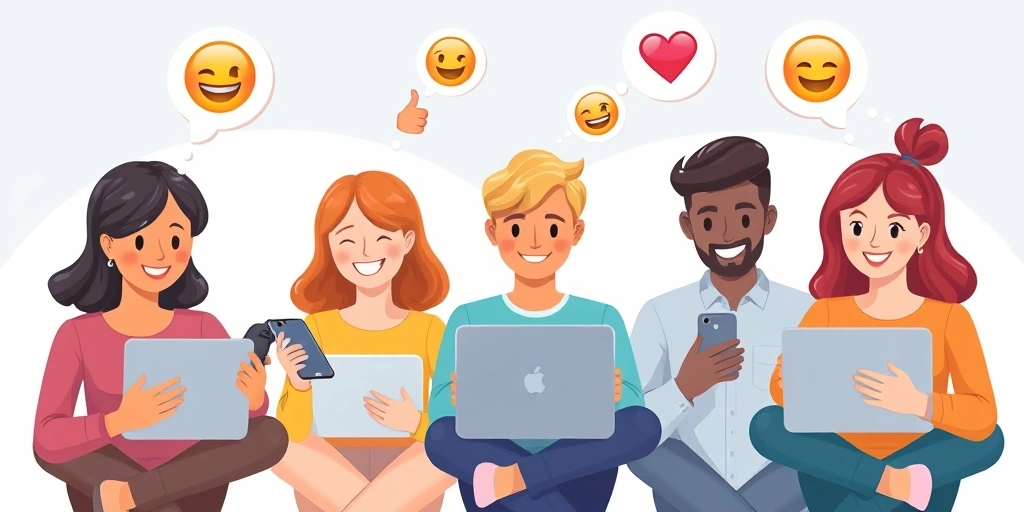
Group Chats: Mind the Audience
Group chats can be tricky because you're communicating with multiple people who might have different comfort levels with emojis. Gauge the overall tone of the group. If everyone is using a lot of emojis, feel free to join in. If the chat is more formal, stick to minimal and clear usage.
Common Emoji Mistakes to Avoid
- Overuse: Bombarding someone with too many emojis can make your message hard to read and seem insincere.
- Misinterpretation: Some emojis have multiple meanings or cultural nuances. For example, the "folded hands" emoji (🙏) can mean prayer, thanks, or a high-five depending on context and culture.
- Inappropriate Context: Using a laughing emoji after delivering bad news, for instance, can be extremely insensitive.
- Ambiguity: Avoid emojis that might confuse the recipient. If an emoji doesn't clearly enhance your message, it's better to omit it. For all your Emoji copy needs, ensure you're picking the right one.
General Tips for Masterful Emoji Use
To ensure your emoji usage always hits the mark:
- Know Your Audience: This is paramount. Adapt your emoji style to the person or group you're communicating with.
- Keep it Clear: Emojis should complement your text, not replace it entirely, unless it's a very specific, universally understood context (like a "yes/no" poll).
- Consider Cultural Differences: An emoji that means one thing in your culture might mean something entirely different elsewhere.
- Review Before Sending: Quickly reread your message with the emojis. Does it still convey the intended tone?
Emojis are a powerful tool for enhancing digital communication, adding personality and nuance to our interactions. By understanding and applying these simple rules of emoji etiquette, you can ensure your messages are always clear, appropriate, and perfectly understood, fostering better connections in your online world.
📒 Related Blogs
More...The Science Behind Emojis: How Our Brains Decode Pictorial Language
The Secret Language of Smiles & Tears: How Emoji Combinations Decode Your Digital Mood
The Secret Language of Emojis: How Generations Speak Through Symbols
The Neutral Zone: How Emojis Keep Your Work Chats Calm, Clear, and Professional
Did You Just Offend Someone? The Hidden Traps of Emoji Misuse in Digital Chats
When Emojis Backfire: The Hidden Misunderstandings in Your Texts