The Science Behind Emojis: How Our Brains Decode Pictorial Language

Dec 22,2025
In an age dominated by digital conversations, emojis have become far more than just cute icons; they are a universal language, a shorthand for emotion, and a powerful tool in human communication. But have you ever wondered about the underlying science? How do our brains actually process these tiny images, and what makes them so effective? Let's dive into the fascinating neuroscience behind pictorial language.
The Brain's Swift Response to Emojis
Our brains are incredibly adept at processing visual information. When we see an emoji, our visual cortex springs into action, often processing the image even faster than it processes text. This rapid processing allows us to instantly grasp the emotional tone or intention behind a message, adding layers of nuance that plain text simply can’t convey. Studies show that when looking at an emoji, the same areas of the brain that respond to human faces are activated. This means our brains interpret a smiley face, like the Smiling Face with Smiling Eyes, almost as if we're looking at a real smile! This incredible efficiency is part of why we love to copy emoji for quick responses. 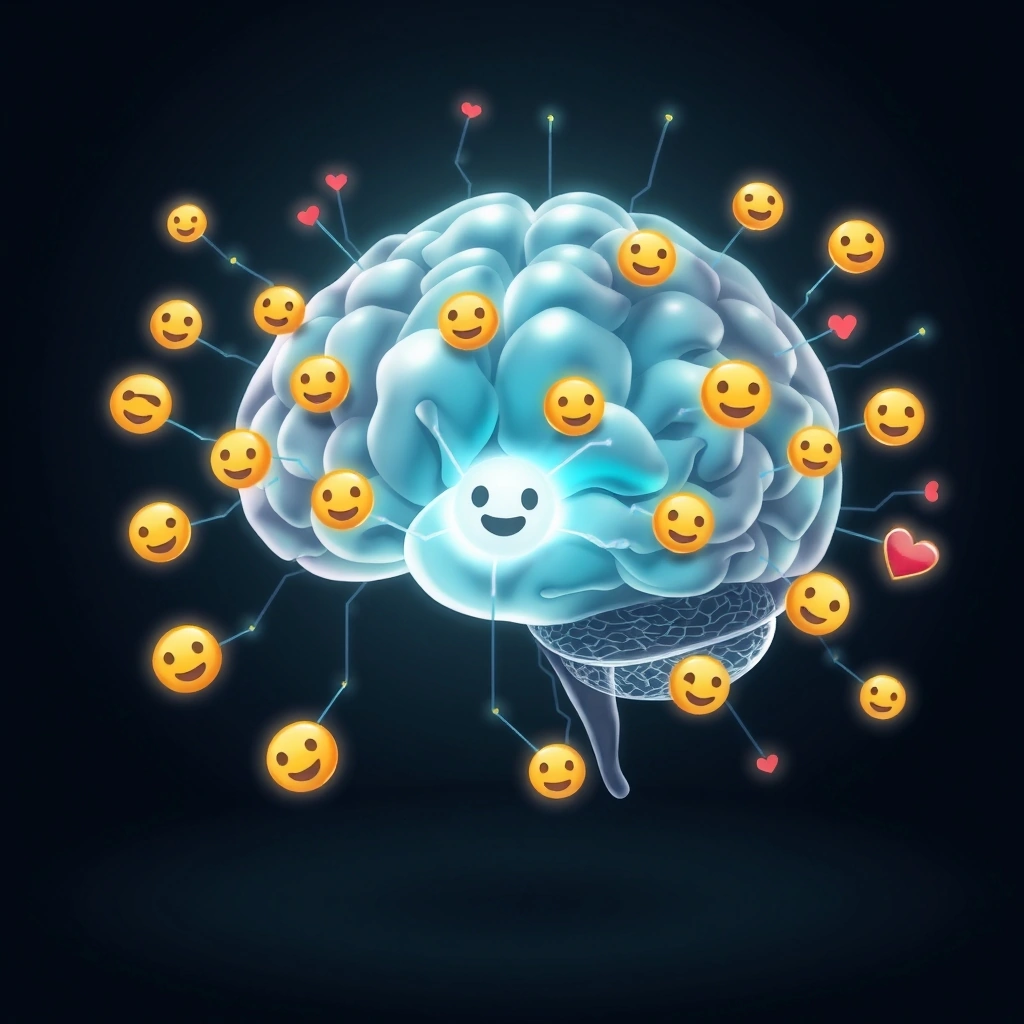 It's a testament to the power of pictorial language.
Emojis as Emotional Cues
One of the primary roles of emojis is to bridge the emotional gap often present in text-based communication. Without the benefit of facial expressions, tone of voice, or body language, digital messages can easily be misinterpreted. Emojis act as digital non-verbal cues, providing crucial context and emotional clarity. They help convey sincerity, humor, sarcasm, or empathy, enriching our interactions and preventing misunderstandings. This is why many users turn to emojilar for a comprehensive emoji collection to express themselves fully.
The Neuroscience Behind Emoji Understanding
The processing of emojis involves several complex brain networks. Beyond the visual cortex, areas associated with emotion, social cognition, and language all play a part. For instance, the amygdala, a region vital for processing emotions, lights up when we encounter emotionally charged emojis. This neural activity explains why a simple Face with Tears of Joy can instantly evoke feelings of amusement or why a Red Heart can convey deep affection. It's truly a sophisticated interplay of cognitive functions. 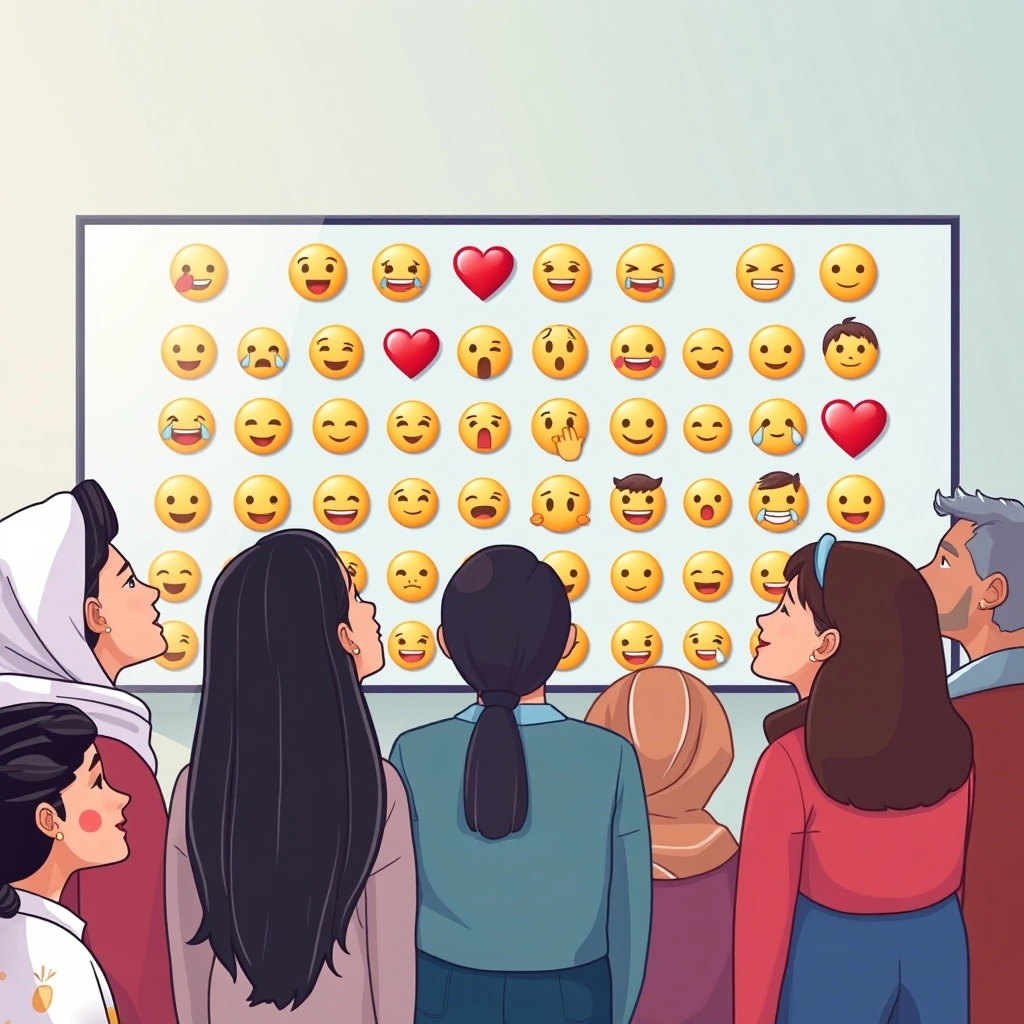
Cultural Nuances and Universal Signals
While many emojis carry universal meanings, their interpretation can sometimes vary across different cultures, adding another layer to the science of emoji use. However, core emotions like happiness, sadness, and anger are often conveyed universally, making emojis a powerful tool for global communication. Platforms like Emoji online help catalog these nuances, allowing users worldwide to find and paste emoji that resonate with their specific needs and cultural contexts. The consistent recognition of widely used emojis highlights our shared human capacity for understanding visual emotional cues.
The Future of Pictorial Communication
As technology evolves, so too will our methods of communication. Emojis are constantly expanding their vocabulary, with new additions regularly reflecting societal trends and new forms of expression. The increasing integration of emojis into AI and predictive text suggests an even deeper entanglement with our digital lives. Far from being a fleeting trend, emojis are a fundamental evolution in how we connect, conveying complex ideas and feelings with simple, elegant icons. They are not just symbols; they are a vital, scientifically backed component of modern human interaction. Check out emojilar to explore the full spectrum of this fascinating pictorial language.
📒 Related Blogs
More...The Unspoken Peace: How Emojis Calm Unexpected Digital Ripples
Emojis in Business: Enhancing Professional Communication & Brand Building
The Quiet Nod: How Emojis Acknowledge Messages in Our Daily Chats
When Emojis Cause Confusion: How Group Chats Can Twist Your Intent