The Unspoken Peace: How Emojis Calm Unexpected Digital Ripples

Dec 29,2025
You know the feeling. That slight pause, that almost imperceptible shift in the group chat's vibe after someone posts a short, perhaps slightly too direct, message. Nobody says anything outright, but there’s a flicker of an unspoken question hanging in the digital air. Did they mean it that way? Was that a subtle dig? Or was it just… text?
When Words Fall Short: The Unseen Ripples
In the quiet corners of our messaging apps, where conversations aren't always fast-paced or filled with rapid-fire replies, the absence of tone and body language can create these tiny, unexpected ripples. A simple "Okay." can be read as dismissive, an "I'm busy." as cold, or a factual statement as accusatory. These aren't big, dramatic arguments, but rather subtle undercurrents of potential misunderstanding that, if left unaddressed, can slowly erode the comfort and ease of a digital space.
It's in these delicate moments that emojis emerge as unsung heroes. They don't shout; they whisper. They don't demand attention; they gently guide perception. A perfectly placed emoji can instantly reframe a message, transforming potential tension into understanding, and unspoken doubt into a shared chuckle or a nod of empathy.
The Subtle Art of Digital De-escalation
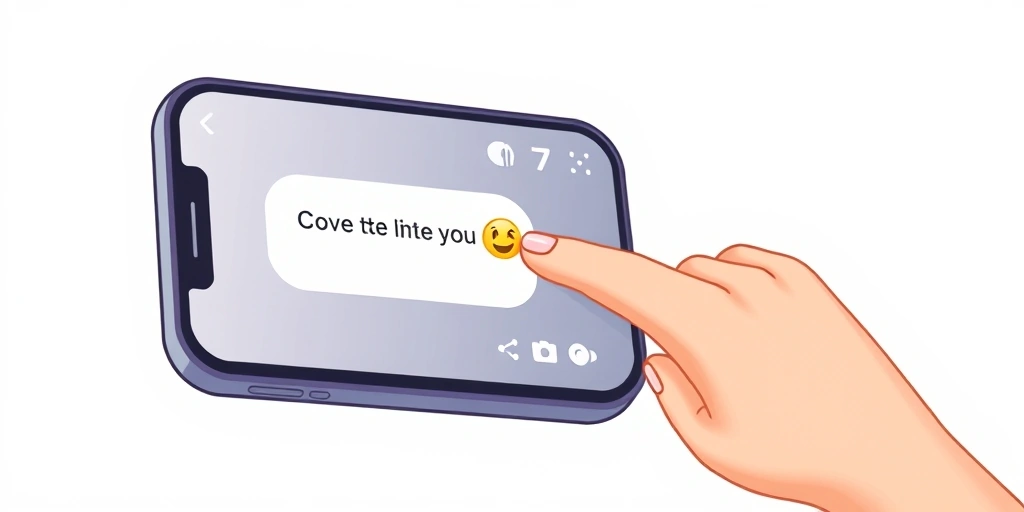
Consider the power of a tiny graphic. Someone shares a slightly controversial opinion or makes a dry, sarcastic comment. Without a visual cue, it’s a gamble. Will it be taken literally? Will someone feel offended? Add a lighthearted 😂 or a knowing 😉, and suddenly the message shifts. The unspoken tension about whether to take it seriously dissipates, replaced by the understanding of humor or playful intent. It’s a quiet reassurance, a digital pat on the shoulder that says, "Hey, it's all good."
This isn't about overtly apologizing or explaining; it's about preemptive emotional cushioning. We've all received a short, business-like message that felt a little abrupt. If that same message ends with a polite 🙏 or a warm 😊, the impact changes entirely. The abruptness fades, and the underlying human connection shines through. These subtle cues are vital for maintaining the emotional safety of our quiet digital spaces.
Bridging the Gaps in Unspoken Emotions
Emojis serve as silent interpreters for the emotions we can't vocalize in text. They carry the weight of a smile, a frown, a wink, or a shrug, all condensed into a single character. When a message might otherwise be interpreted as too blunt or impersonal, an emoji can inject the warmth, politeness, or playfulness that was intended all along. It’s like adding a gentle vocal inflection or a reassuring facial expression to a purely textual statement.
Think about sending a quick update: "Meeting at 3 PM." Functional, yes. But add a ✨ or a 👍, and it conveys enthusiasm or agreement without a single extra word. This minor addition prevents the recipient from reading into the brevity and instead focuses on the shared intent. These are the situations where emojis perform their most valuable, often unnoticed, work – preventing the overthinking spiral that can plague quiet message threads.
For more insights into how these small symbols bridge bigger gaps, explore our category on Emoji & Situation.
When a Picture Speaks a Thousand Feelings
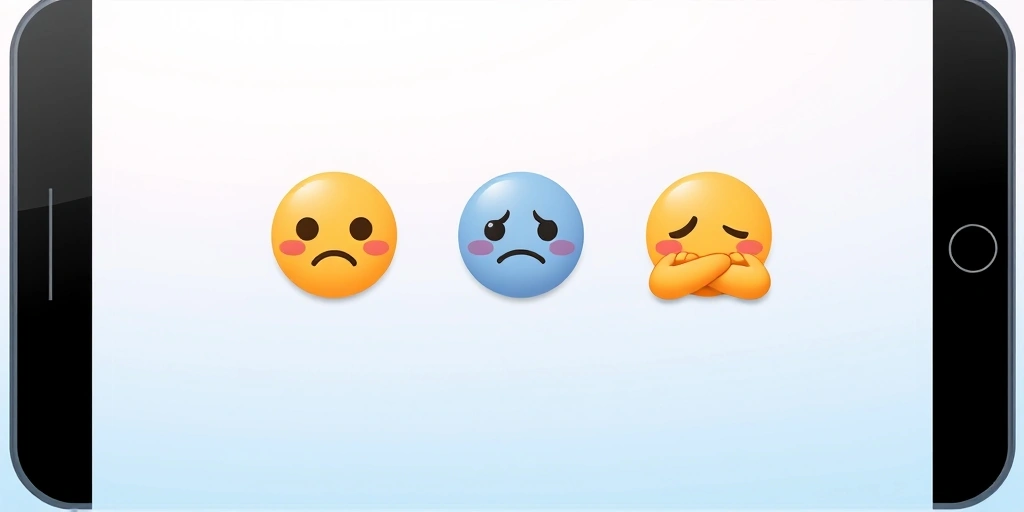
In moments where actual words feel too heavy, or when we’re trying to convey a complex emotion without explicitly stating it, emojis provide an elegant shortcut. Imagine a friend sharing a minor frustration; instead of a lengthy paragraph of commiseration, a simple 😔 or 🫂 can convey understanding and support. It’s an acknowledgment that says, "I hear you, and I feel for you," without demanding a reciprocal explanation.
These are the quiet moments where emotions are present but not directly stated, simmering just beneath the surface. An emoji can act as a pressure release valve, acknowledging the underlying feeling without forcing it into the open. It’s the digital equivalent of a knowing glance across a room, a shared understanding that needs no further elaboration.
Discover more about the subtle power of emojis in bridging uncomfortable silences and how they maintain the delicate balance of digital conversations.
Maintaining Digital Harmony, One Emoji at a Time
The true magic of emojis in these quiet contexts isn't just about clarifying a single message; it's about consistently fostering a sense of psychological safety and warmth in the entire digital space. When people feel understood and can convey nuances without fear of misinterpretation, the entire communication flow becomes smoother, more pleasant, and more efficient. It builds trust and reinforces bonds, even in the most mundane exchanges.
It's fascinating how a small icon can hold so much power – the power to soften a blow, clarify intent, or simply add a touch of humanity to an otherwise sterile text. Emojis are the unsung conductors of our digital orchestras, ensuring that even the quietest notes resonate with the right harmony.
Sometimes, words are just not enough, or perhaps they are too much. In such cases, emojis step in to fill the void, giving voice to what remains unsaid. Learn more about how emojis speak when words are hardest to find.
So, the next time you're crafting a message, especially in those quiet, low-key threads, pause for a moment. Consider if a tiny emoji could add a layer of warmth, humor, or clarity that your words alone might miss. You might just prevent an unspoken ripple from turning into a wave, keeping the digital waters perfectly calm and inviting for everyone.
📒 Related Blogs
More...The Secret Ingredient to Playful Chats: How Emojis Turn Talk into a Game
Beyond Reaction Buttons: How Emojis Drive Social Impact and Global Change
When Words Aren't Enough: Decoding the Unspoken Feelings Emojis Convey in Delicate Exchanges
The Emoji Effect: How Our Digital Expressions Are Always Changing
The Art of the Quick Reply: How Emojis Effortlessly Elevate Our Daily Chats