The Journey of Emojis: From Japanese Kaomoji to a Global Digital Language

Dec 25,2025
Ever wondered about the fascinating journey of those tiny, expressive icons that populate our digital conversations? Emojis have become an indispensable part of how we communicate online, adding layers of emotion and nuance that text alone often misses. But where did they come from? The story of emojis is a captivating one, tracing back much further than most people realize, evolving from simple text constructs to a rich, global visual language.
The Dawn of Digital Emotion: Kaomoji in Japan
Before the colorful, graphical emojis we know today, there were kaomoji. Originating in Japan in the 1980s, these text-based emoticons ("kao" meaning face, "moji" meaning character) were designed to be read horizontally, unlike Western emoticons which usually required tilting your head. Think of classics like (^_^) for happiness or (>_<) for exasperation. Kaomoji allowed early internet users to convey feelings and reactions in a digital world still largely devoid of rich media. They were simple, creative, and quickly became a beloved part of Japanese digital culture, setting the stage for what was to come.
The Birth of Graphical Emojis: Shigetaka Kurita's Vision
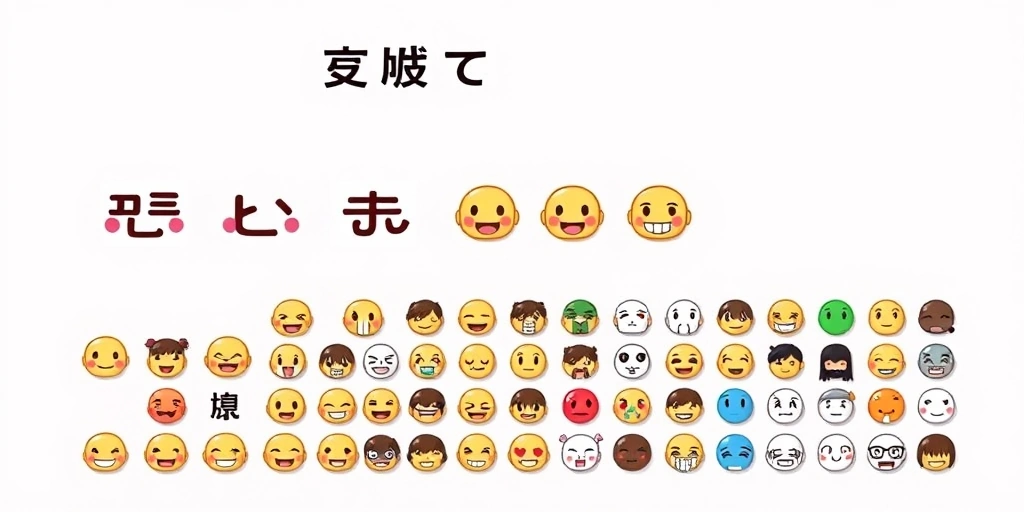
The true "emoji" (絵文字, pronounced eh-moh-jee, meaning "picture character") arrived on the scene in 1999. Created by Shigetaka Kurita for NTT DoCoMo's i-mode mobile internet platform in Japan, these 176 12x12 pixel images were designed to make communication easier and more engaging. Kurita's goal was to simplify the transmission of information and add emotional depth to text messages. Imagine trying to explain "It's sunny today" or "I'm running late" without a quick icon! His early set included everything from weather symbols to hearts and simple facial expressions. This innovation was revolutionary, allowing users to express themselves with a visual flair that plain text couldn't match. It truly began a new era for Emoji copy.
Global Adoption and Unicode Standardisation
For years, emojis remained largely a Japanese phenomenon. However, their expressive power was undeniable. The turning point for global adoption came with Apple's iPhone, which included an emoji keyboard for Japanese users in 2008, later making it available worldwide in 2011. This decision, combined with the efforts of the Unicode Consortium, truly brought emojis to the global stage. Unicode, the universal standard for text encoding, began incorporating emojis, ensuring that these little icons would display consistently across different devices and platforms. This standardization was crucial, turning a niche feature into a universally understood language.
The Ever-Expanding Emoji Lexicon
Today, the emoji library is vast and constantly growing. From diverse skin tones to gender-neutral options, and an ever-increasing array of objects, animals, and activities, emojis are evolving to represent the richness and diversity of human experience. They're not just about conveying basic emotions anymore; they're a tool for cultural expression, identity, and even social commentary. You can find an all-encompassing collection to copy emoji and paste them anywhere you like.
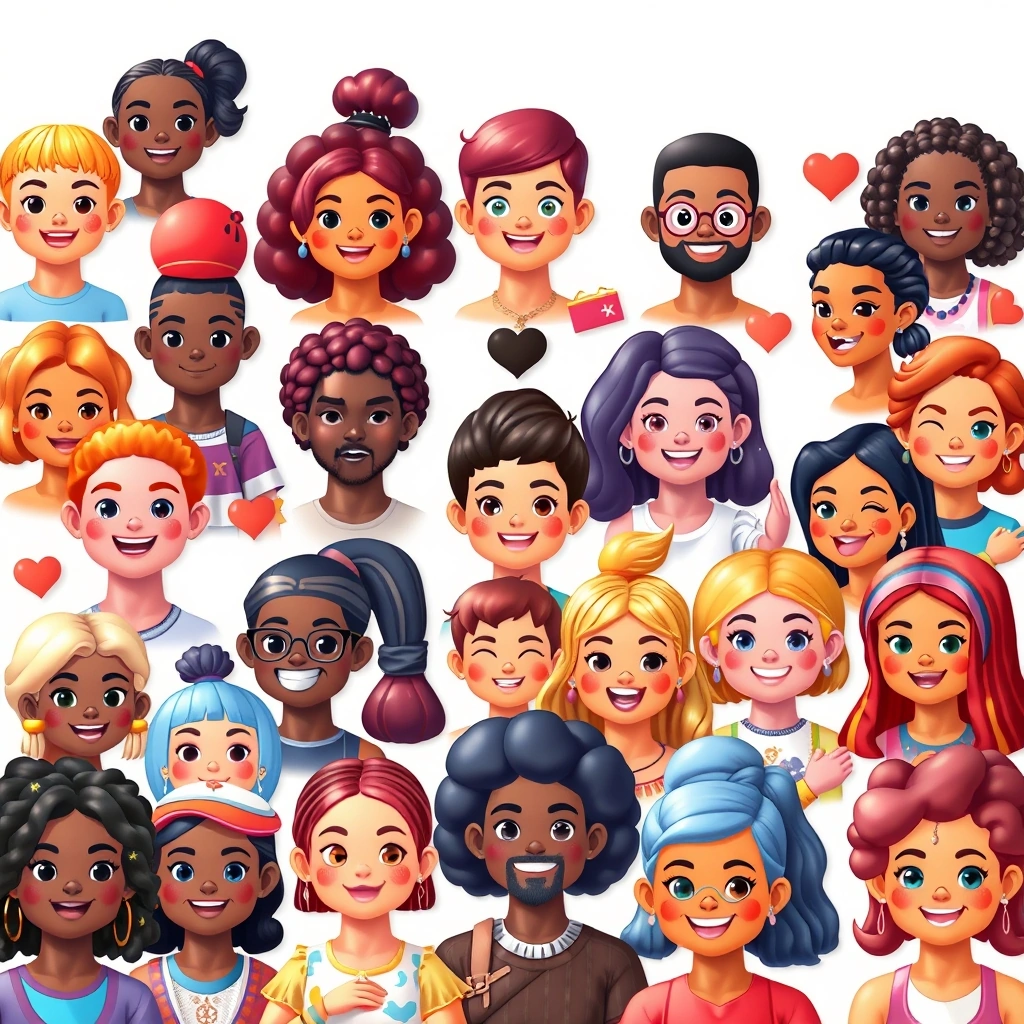
Consider the Smiling Face with Open Mouth (😁) or the Partying Face (🥳) – these icons instantly convey complex feelings. They've transcended simple decoration to become an integral part of our digital vocabulary, allowing for quicker, more engaging, and often more personal communication. They bridge language barriers and add a human touch to otherwise impersonal digital interactions. The journey from a few dozen text characters to thousands of universally understood graphical symbols is a testament to their power and adaptability. Emojis have truly cemented their place as a modern form of global communication, continually adapting and expanding to reflect our ever-changing world.
📒 Related Blogs
More...Beyond Words: How Emojis Bring Clarity and Connection to Project Updates
Emoji Fails: When Your Public Reply Gets Lost in Translation
Oops! Did Your Emoji Just Say Something You Didn't Mean?
Beyond a Single Emoji: How Combinations Speak Volumes in Group Chats
Beyond Words: How Emojis are Revolutionizing Global Communication
The Emoji Filter: How a Simple Icon Can Change Your Entire Argument