The Emoji Filter: How a Simple Icon Can Change Your Entire Argument

Jan 30,2026
You know the feeling. You’re scrolling through your feed, you see a post that sparks a strong reaction, and your fingers are already typing out a reply. You’ve got a point to make. But right before you hit ‘send,’ you pause. Something’s missing. It’s not the logic of your argument—it’s the feeling. So, you add an emoji. Maybe a thoughtful 🤔, a frustrated 😤, or a playful 😉. In that split-second decision, you’ve just framed your entire opinion for the public eye.
This isn’t just about being cute or trendy. In everyday posting, especially in public replies, emojis act as a crucial tone filter. They provide the emotional context that plain text desperately lacks. Without them, our written words are naked, vulnerable to being misinterpreted as cold, harsh, or sarcastic. An emoji wraps them in intention.
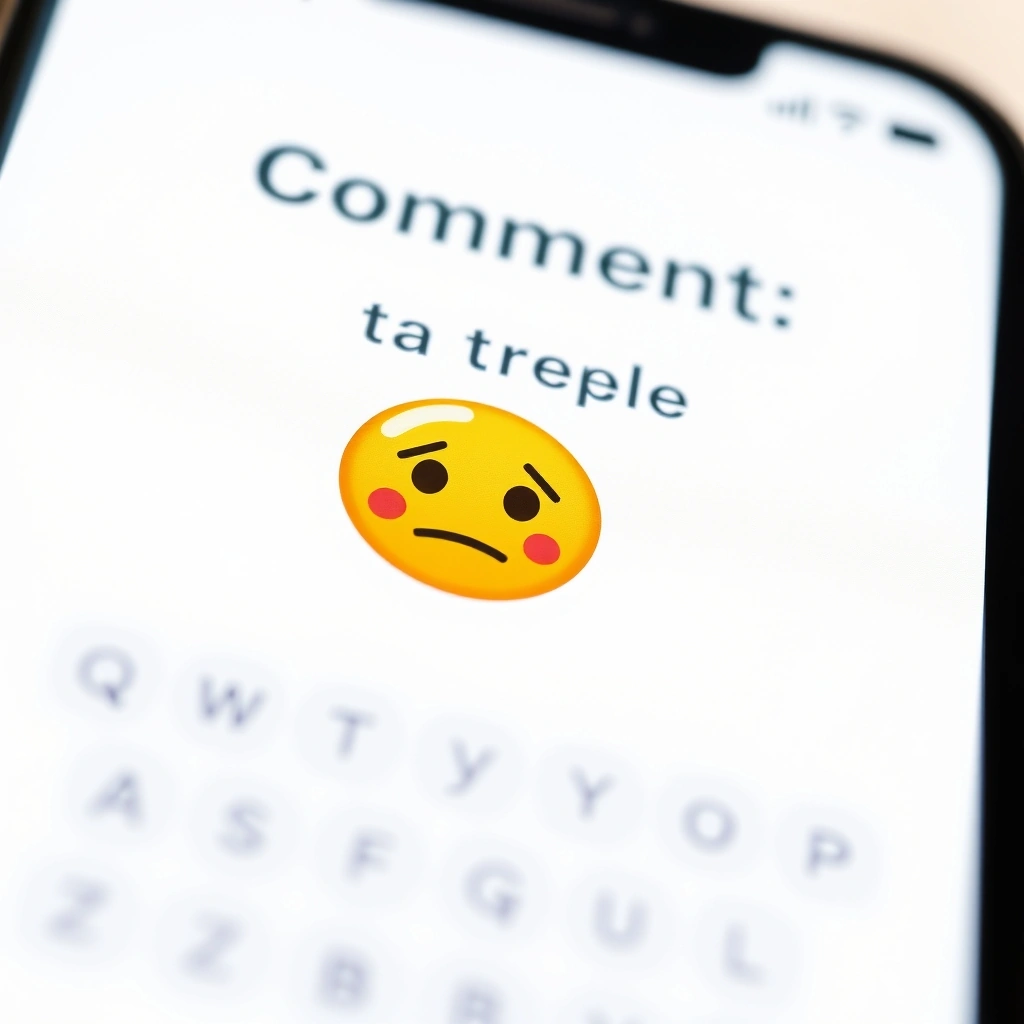
Think about the last heated comment thread you saw. Two people might be saying virtually the same thing, but the one whose comment is dotted with a 🙏 or a ❤️ is often perceived as more constructive, more empathetic. The one with no emojis, or worse, a strategically placed 😒 or 👀, is read as combative or dismissive. The opinion itself hasn’t changed, but its reception has been completely reframed. It’s a phenomenon we’ve explored before in how icons shape reactions across platforms, which you can read more about here.
The Public Performance of Tone
When we reply publicly, we’re not just talking to one person. We’re performing for an audience. Every follower, every lurker, every friend-of-a-friend is reading that exchange. An emoji is our way of directing that performance. It tells the audience, “Here’s how I want you to see me in this conversation.”
Are you the reasonable voice trying to bridge a gap? A 😌 or a 🤝 can signal that. Are you passionately disagreeing but still respectful? A 🔥 followed by a 💭 might do the trick. That tiny icon is a signal to the wider crowd about the kind of discourse you’re inviting. It sets the stage for the replies that will follow yours.
When Sarcasm Needs a Safety Net
This is where emojis become essential armor: sarcasm. Sarcasm is the most perilous mode of online communication. What’s a witty jab to you can be a cutting insult to someone else. The emoji has become sarcasm’s official translator. A 😜, a 🥴, or the classic 😏 attached to a borderline comment acts as a safety net. It says, “I’m teasing,” or “Don’t take this too seriously.” It’s a plea for the benefit of the doubt that text alone cannot make.
Without that visual cue, your clever remark is just floating in a sea of ambiguity, likely to sink under the weight of misinterpretation. The emoji keeps it afloat.
Of course, this power is a double-edged sword. The wrong emoji can distort a message just as easily. A sincere opinion followed by a 🤪 can make it seem flippant. A serious critique paired with a ❤️ can come across as passive-aggressive. The choice is a nuanced one, deeply tied to the unspoken rules of the platform and the community you’re in. Understanding these tiny icons that shape your feed is key to navigating them.
Building Bridges or Drawing Lines
Ultimately, in the theater of public replies, emojis are our tools for connection or our weapons for division. A well-chosen emoji can soften a blow, invite collaboration, and show that behind the screenname is a human with complex feelings. It can turn a debate into a dialogue.
But they can also draw hard lines. The use of certain emojis can signal tribal allegiance, mock an opponent, or shut down conversation entirely. They become badges of in-group understanding, excluding those who don’t ‘get’ the subtext.
So next time you’re about to post that public reply, take that extra second. Look at your words. What’s the real emotion behind them? What conversation do you want to have, and who do you want to be in it? Then, choose your frame. That one little emoji might be the most important word in your entire post.
For more thoughts on the intersection of emojis and our social media lives, check out our broader collection in the Emoji & Social Media category.
📒 Related Blogs
More...The Secret to Effortless Chats: How Emojis Keep Your Conversations Alive
When Words Fail: How Emojis Hold Our Excitement in Awkward Moments
The Unspoken Rules: How Emojis Reveal Social Expectations in Your Private Chats
Emoji Magic: How Tiny Icons Lighten Up Your Everyday Chats!
Emoji Evolution: The Secret Life of New Emojis and Their Approval Process