The Hidden Impact of Emojis on Your Mental Health & Digital Well-being

Dec 13,2025
In our increasingly digital world, emojis have transcended their initial role as simple decorative icons to become a fundamental part of how we communicate. These tiny, expressive symbols pepper our texts, emails, and social media posts, adding layers of emotion and nuance that plain text often lacks. But beyond their utility in conveying feelings, have you ever stopped to consider how emojis might be subtly influencing your mental health and overall digital well-being? It's a fascinating and increasingly relevant question as our lives become more intertwined with screens and digital interactions. This article delves into the profound, often overlooked, impact these ubiquitous icons have on our psychological state and how we navigate the digital realm.
The Power of Emojis: Enhancing Emotional Expression
Emojis act as powerful shortcuts for emotions, allowing us to convey joy, sadness, surprise, or even sarcasm with a single tap. They fill the void left by the absence of body language and vocal tone in text-based communication, making our digital interactions feel more human and connected. For many, the ability to quickly express a feeling with a Copy emoji can prevent misunderstandings and foster stronger bonds.
Bridging the Digital Divide
They help bridge the gap between abstract text and concrete emotion, making conversations feel more immediate and personal. Whether it's a comforting ❤️ (Red Heart emoji) or a celebratory 🎉 (Party Popper emoji), these icons enrich our daily digital dialogues, making them more vibrant and engaging.
Nuance and Misinterpretation
However, the beauty of emojis also lies in their potential for misinterpretation. What one person intends as playful, another might perceive as sarcastic or even offensive. This ambiguity can lead to anxiety, especially in professional settings or new relationships, where understanding the sender's true intent is crucial. Navigating this landscape requires not just understanding the emojis themselves, but also the context and relationship dynamics. You can explore a vast Emoji collection on emojilar to understand their diverse meanings.
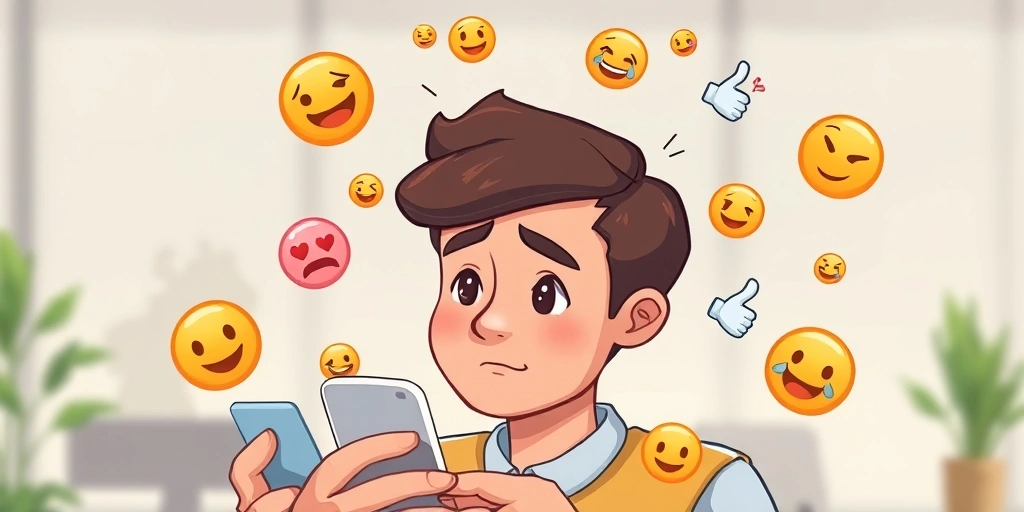
The Downside: When Emojis Affect Mental Health
While emojis offer numerous benefits, their pervasive presence isn't without its potential drawbacks for our mental health. The constant barrage of curated online happiness, often expressed through an abundance of positive emojis, can create an unrealistic standard for our own lives.
The Pressure to Be Positive
There's an unspoken pressure to always appear happy and positive online, reinforced by endless streams of smiling faces and celebratory icons. This can lead to what psychologists call "toxic positivity," where individuals feel compelled to suppress genuine negative emotions in favor of an outwardly cheerful facade. Seeing friends constantly sharing joyous moments, often accompanied by the Face with Tears of Joy emoji or others, can sometimes trigger feelings of inadequacy or loneliness if our own lives don't match up to that perceived perfection.
Social Comparison and Anxiety
This phenomenon fuels social comparison, a known contributor to anxiety and depression. When we constantly compare our behind-the-scenes struggles to someone else's highlight reel (complete with celebratory emojis), it's easy to feel like we're falling short. This comparison can exacerbate feelings of low self-esteem and general dissatisfaction with life. For instance, a simple "like" on a post accompanied by a thumbs-up emoji can carry unexpected weight.
The Impact on Empathy
Furthermore, relying too heavily on emojis to convey complex emotions might inadvertently hinder the development of deeper empathy and emotional literacy. If we always opt for a quick icon instead of articulating our feelings in words, we might lose the practice of truly understanding and expressing nuance, potentially impacting our real-world interpersonal skills.
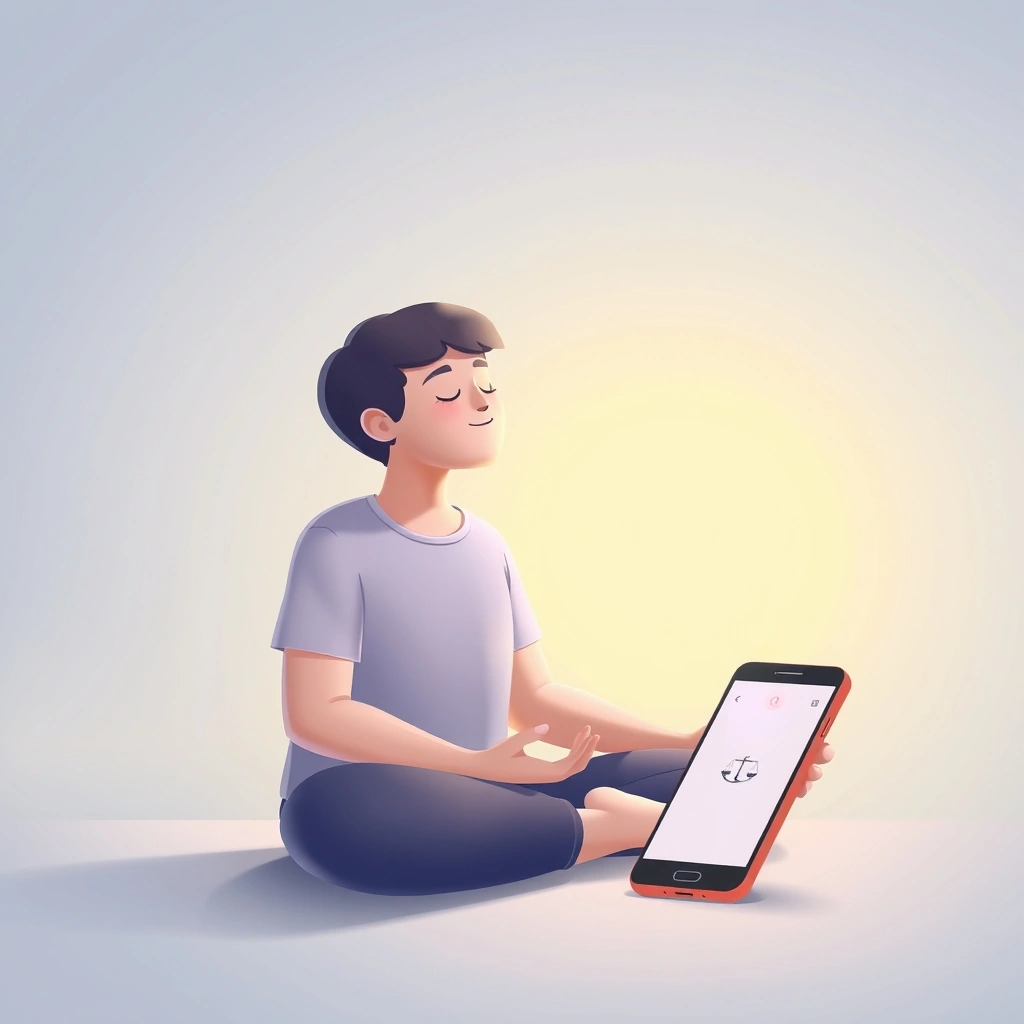
Fostering Digital Well-being with Emojis
So, how can we harness the positive aspects of emojis while mitigating their potential negative impact on our mental health? The key lies in mindful usage and setting healthy digital boundaries.
Mindful Emoji Use
Be intentional about the emojis you send and receive. Consider if they genuinely reflect your feelings or if you're using them out of habit or pressure. Encourage open, verbal communication where possible, and use emojis as an enhancement, not a replacement, for expressing complex emotions. If you wish to Paste emoji into your message, ensure it adds value rather than obscures meaning. Recognizing the appropriate context for an emoji, like when to use a simple Red Heart versus a more nuanced statement, is crucial.
Setting Boundaries
It’s also vital to practice digital self-awareness. If you find yourself feeling anxious or down after scrolling through emoji-laden feeds, it might be time for a digital detox or to unfollow accounts that trigger negative emotions. Remember, online representations are often curated, and it's healthy to maintain a realistic perspective.
Ultimately, emojis are a powerful tool in our digital communication toolkit. Like any tool, their impact depends on how we wield them. By being mindful of their psychological effects and integrating them thoughtfully into our online interactions, we can ensure they contribute positively to our mental health and digital well-being, fostering connection and expression without sacrificing our inner peace. It's about striking a balance where these expressive icons enhance our lives rather than detract from them, allowing us to navigate the digital world with greater emotional intelligence and resilience.
📒 Related Blogs
More...The Emoji Lifeline: How a Simple 😅 or 👍 Can Save a Casual Chat
Unlocking Business Potential: The Strategic Use of Emojis in Professional Communication
The Secret Language of Two: How Emoji Pairs Redefine Our Quickest Digital Replies
How a Simple Emoji Can Save Your Next Project Update
Decode Emojis: Uncover Hidden Meanings & Secret Emoji Language
Emoji Accessibility: Ensuring Inclusive Digital Communication for All