Decode Emojis: Uncover Hidden Meanings & Secret Emoji Language

Dec 23,2025
Emojis have become an indispensable part of our digital vocabulary, evolving from simple pictorial additions to a complex, nuanced language that often speaks volumes without uttering a single word. But do we truly understand the unspoken narratives they carry? What appears to be a straightforward smiley face or a friendly wave might actually hold layers of meaning, influenced by context, culture, and even trending internet slang. It's time to decode the secret language of emojis and uncover the hidden messages they convey.
More Than Just Pictures: The Evolution of Emoji Language
From their humble beginnings on Japanese mobile phones, emojis have exploded onto the global stage, transforming the way we express ourselves online. They add much-needed tone, emotion, and personality to text-based conversations, bridging the gap that often exists when face-to-face cues are absent. Think about it: a simple text like "Okay" can sound cold, but "Okay 👍" instantly softens it. This ability to inject emotion is why emojis have transcended mere adornment and cemented their place as a vital component of modern communication. However, this power also comes with a fascinating challenge: their meanings are not always universal.
Common Emojis, Uncommon Interpretations
Many emojis have taken on alternative or secondary meanings over time, often driven by pop culture, memes, or informal usage within specific communities. Let's look at a few examples:
The Ever-Evolving Meanings
- The Face with Tears of Joy 😂: Once the undisputed king of conveying genuine laughter, this emoji is now often used ironically by younger generations, or even deemed "cringey" by some. Its usage is shifting, making way for alternatives like Rolling on the Floor Laughing 🤣 or the Skull 💀 to signify "dead from laughter."
- The Eggplant 🍆 and Peach 🍑: These humble fruits have notoriously shed their innocent identities to become widely recognized stand-ins for specific body parts, particularly in adult contexts. Using them incorrectly can lead to awkward situations!
- The Folded Hands 🙏: Is it prayer? A thank you? Or a high-five? Depending on the context and the recipient's culture, this emoji's meaning can vary wildly, leading to potential misinterpretations if not used carefully.
The Role of Context and Culture
Beyond popular internet lore, the true meaning of an emoji heavily relies on the context of the conversation and the cultural background of the people involved. A Eyes 👀 emoji might simply indicate "I'm watching" or "I see," but in other contexts, it could imply curiosity, suspicion, or even a hint of mischief. Different cultures also imbue emojis with unique interpretations. What might be a sign of respect in one country could be an insult in another. Understanding these subtle cultural nuances is crucial for effective global digital communication.
Unmasking Misunderstandings: When Emojis Go Wrong
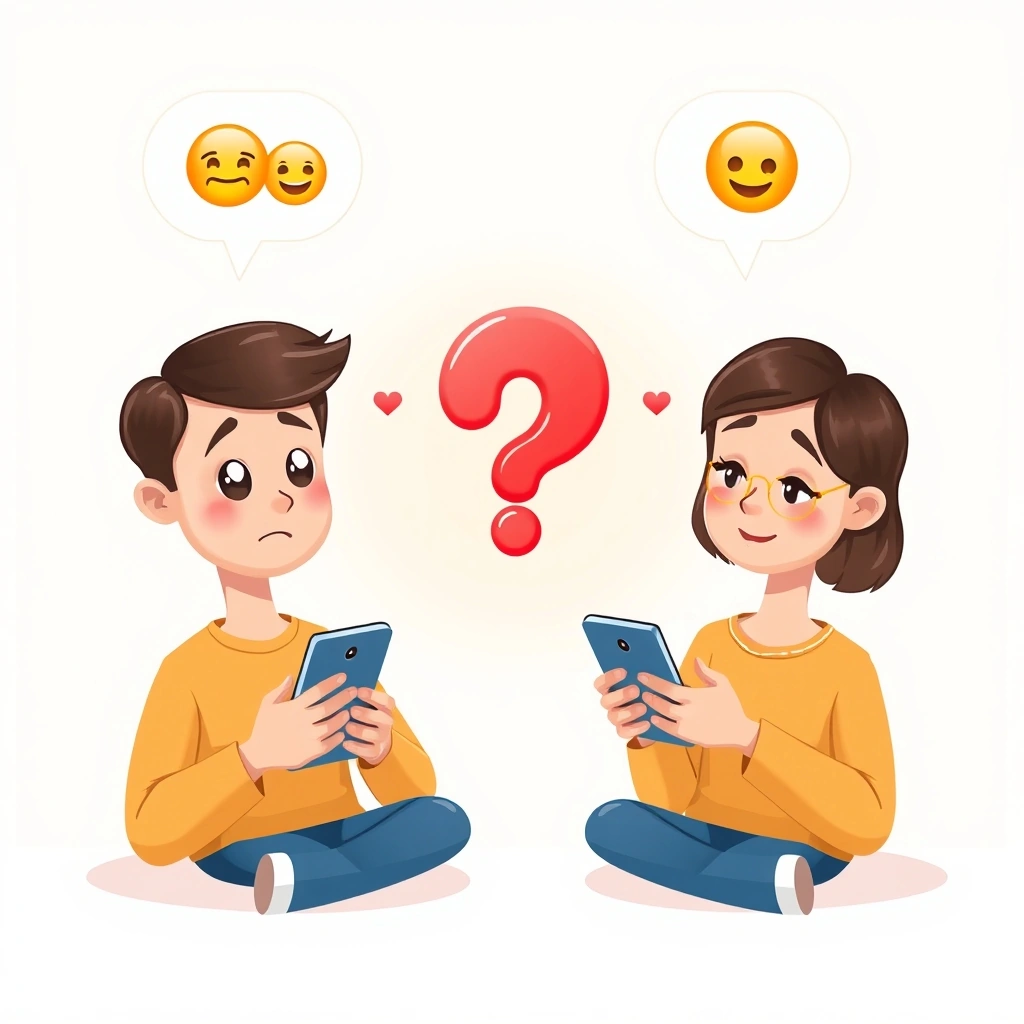
The beauty and complexity of emoji language also present challenges. Misunderstandings can arise when senders and receivers have different interpretations, leading to confusion, unintentional offense, or simply a failure to convey the intended message. Imagine sending a winking face 😉 to a colleague in a professional setting, only for it to be perceived as flirtatious instead of playful! Or an "Okay" hand gesture 👋 that means one thing in Western cultures but can be rude elsewhere. The key is to be mindful of your audience and the specific communication environment.
Mastering the Art of Emoji Communication
So, how can you become a more skilled emoji communicator? Firstly, always consider your audience. Are you texting a close friend, a family member, or a professional contact? The appropriate emoji usage will differ significantly. Secondly, if in doubt, err on the side of caution. A simple smiley face is often a safe bet, whereas more ambiguous emojis might require clarification. Finally, keep an eye on trends! The digital world evolves quickly, and so do emoji meanings. For those looking to effortlessly find and copy emoji, platforms like emojilar offer a vast collection to enhance your messages.
Understanding the secret language of emojis empowers us to communicate more richly and effectively. They are powerful tools that, when used wisely, can add depth, humor, and emotion to our interactions. By paying attention to context, cultural differences, and evolving interpretations, you can master this vibrant aspect of digital expression.
📒 Related Blogs
More...Emoji Etiquette: Navigating the Unwritten Rules of Digital Expression
Emoji Art & Design: Creative Ways to Use Digital Icons
Cracking the Code: How Emojis Shape What We Really Mean Online 🤔
Emoji Etiquette: Mastering the Unspoken Rules of Digital Communication
The Unspoken Shield: How Emojis Absorb Social Tension in Delicate Moments
Beat Deadline Stress: How Emojis Smooth Out Professional Chats Under Pressure