Cracking the Code: How Emojis Shape What We Really Mean Online 🤔

Jan 12,2026
In today's fast-paced digital world, sending a quick text or message has become second nature. We're constantly typing, swiping, and sharing. But have you ever paused to think about how your carefully crafted words are truly being understood on the other end? It's a common dilemma: what you intend to say isn't always what's perceived, and often, the silent heroes of our digital conversations—emojis—step in to bridge that gap.
Emojis aren't just cute little icons; they're powerful tools that infuse our text-based interactions with emotion, tone, and crucial context. Without them, our messages can feel flat, ambiguous, or even unintentionally blunt. They're the digital equivalent of a nod, a smile, a raised eyebrow, or a shrug – all those non-verbal cues we rely on heavily in face-to-face conversations.
The Silent Struggle of Plain Text
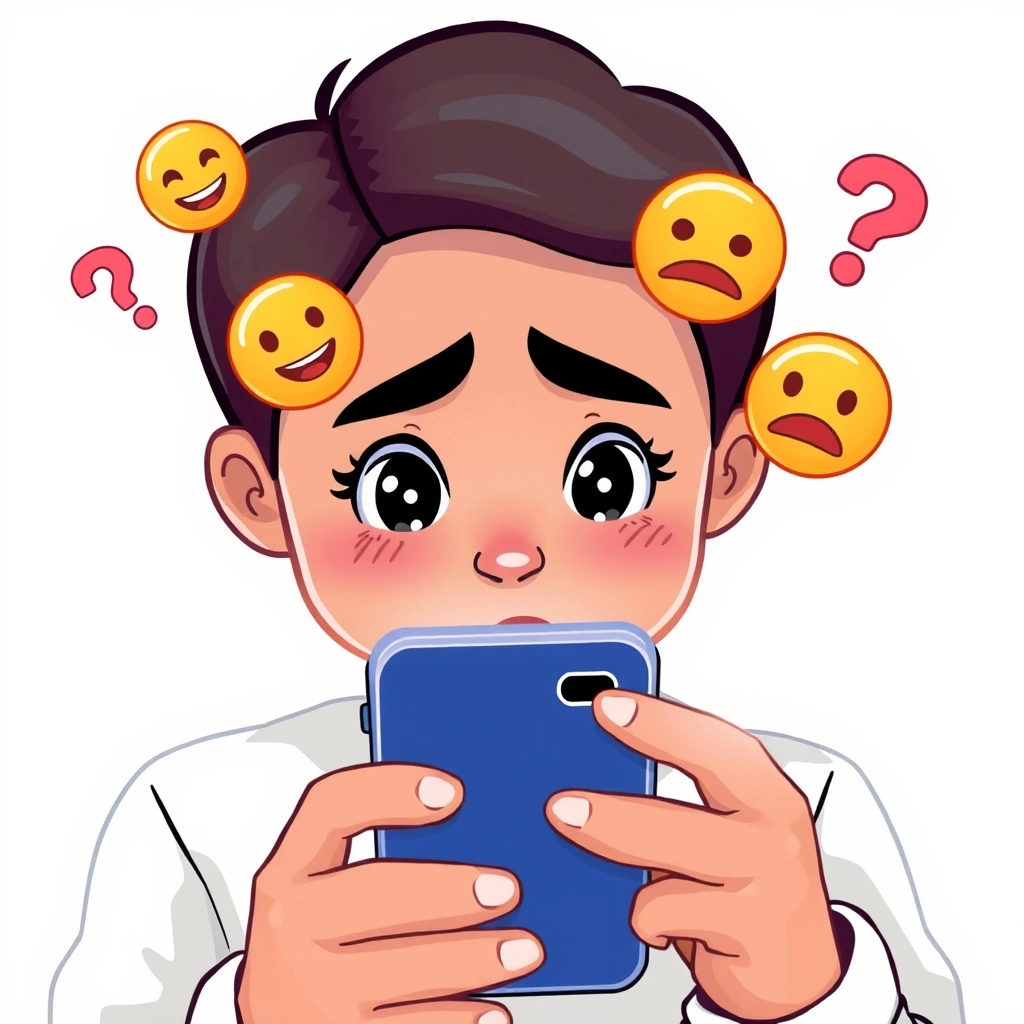
Imagine trying to convey sarcasm, genuine warmth, or playful teasing using only words. It's tough, right? Text lacks the inflections of speech, the nuances of facial expressions, and the body language that provide so much meaning in verbal communication. A simple phrase like "Okay, sure" can be interpreted in wildly different ways depending on the unspoken context. Is it enthusiastic agreement, reluctant acceptance, or passive aggression? The reader is left to guess, often filling in the blanks with their own mood or assumptions.
This absence of non-verbal signals is where digital communication often falters. Misunderstandings can easily arise, leading to awkward exchanges, hurt feelings, or simply a lack of clarity. We've all been there – re-reading a message multiple times, trying to decipher the sender's true intent, only to come up empty.
Emojis: The Game Changers for Intent
This is precisely where emojis shine. They act as immediate, visual indicators of our emotional state and the intended tone of our messages. A smiling face 😂 turns a potentially dry statement into a humorous one. A heart emoji ❤️ instantly conveys affection or warmth. A thinking face 🤔 signals contemplation or mild skepticism, while a pleading face 🥺 adds a touch of vulnerability or a polite request.
By adding an emoji, we provide a shortcut to understanding. We're telling the recipient, "Hey, this is how I feel right now, and this is how I want you to interpret what I'm saying." This clarity is invaluable, helping to prevent miscommunications before they even start. For a deeper dive into how these little icons revolutionize clarity, you might find this article on decoding digital silence particularly insightful.
Shaping Perception: A Psychological Lens
The psychological impact of emojis is profound. Studies have shown that messages containing emojis are often perceived as more friendly, personal, and authentic. They can enhance the perceived warmth of a sender and even increase the likelihood of a positive response. When you receive a text with a cheerful emoji, your brain registers a more positive signal than it would from a plain text message, influencing your emotional state and subsequent reaction.
This isn't just about feeling good; it's about altering the very interpretation of content. A critical feedback message, if softened with a sympathetic emoji, can be received as constructive rather than harsh. A simple invitation becomes more appealing with an enthusiastic emoji. Emojis don't just decorate our messages; they actively participate in shaping the narrative and emotional landscape of our digital interactions. Understanding this phenomenon is a key part of emoji psychology.
Beyond Words: Subtlety and Nuance
One of the most fascinating aspects of emojis is their ability to convey subtle shifts in meaning. They can turn a literal statement into a figurative one, add layers of irony, or even communicate complex emotions that are hard to articulate with words alone. Think of the eye-roll emoji 🙄, which perfectly captures exasperation or dismissiveness without needing a single additional word.
This nuanced communication allows us to express ourselves more fully and accurately in a constrained digital environment. It enables a richer, more human exchange, bringing us closer to the richness of face-to-face interaction. Sometimes, a single emoji can say more than a paragraph of text, cutting through ambiguity with visual precision. To explore how emojis achieve these subtle shifts, check out this piece on how emojis subtly shift meaning.
The Art of Emoji Usage: Finding the Balance
While emojis are incredibly useful, their power lies in their appropriate application. Overuse can make a message seem unprofessional, childish, or even insincere. Too few, and you risk losing the emotional depth. The trick is finding the right balance – using emojis strategically to enhance your message without overwhelming it.
Consider your audience and the context. A casual chat with a friend might warrant a string of laughing faces, while a professional email might only need a subtle thumbs-up 👍 or a simple smiling face 🙂 to convey positivity. Understanding these unwritten rules is part of becoming a fluent digital communicator, and it’s a skill many of us develop intuitively over time.
Fostering Connection and Empathy Online
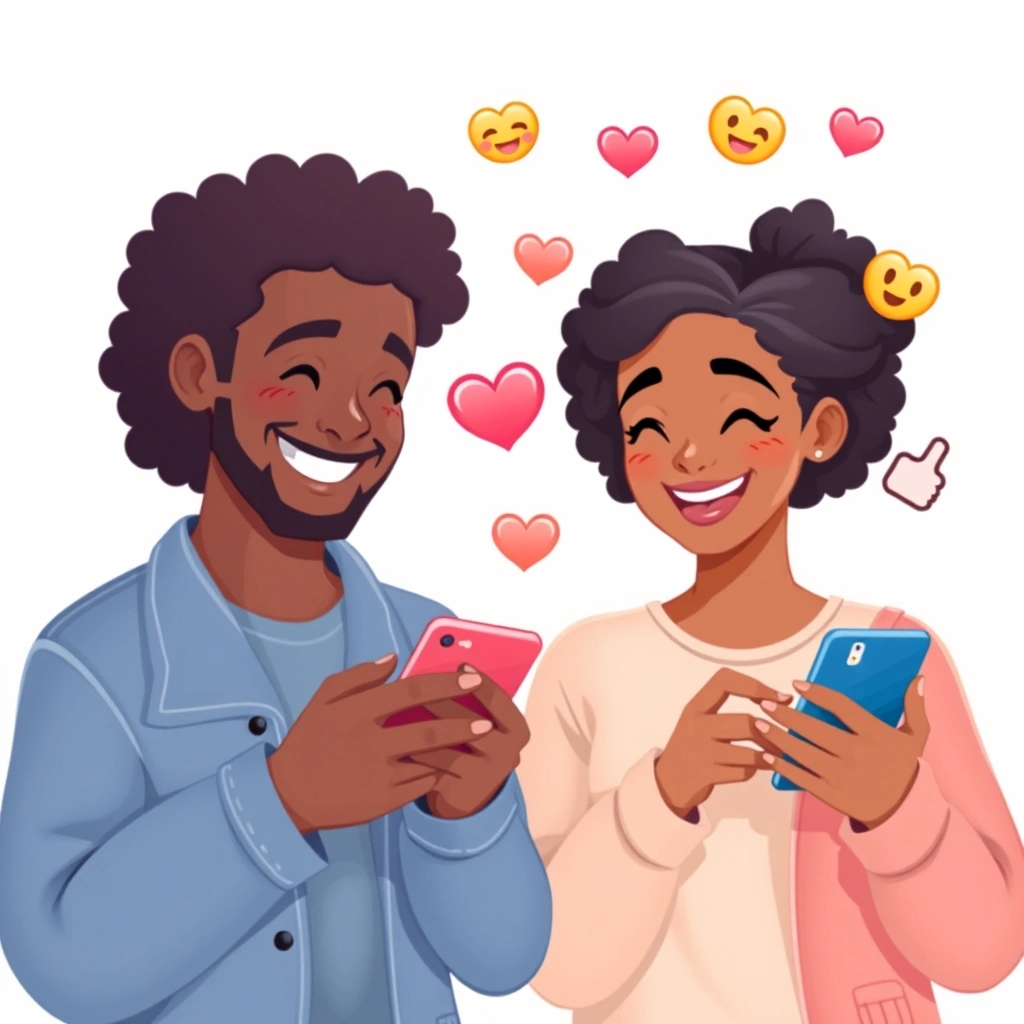
Ultimately, emojis help foster stronger connections and greater empathy in our online interactions. By providing emotional cues, they allow us to better understand the other person's state of mind, respond more appropriately, and build rapport. They humanize our digital conversations, making them feel less transactional and more personal.
In a world where so much of our communication happens through screens, emojis serve as vital bridges, helping us to navigate the complexities of human emotion and intent without the benefit of physical presence. They are a testament to our ongoing adaptation to digital tools, finding new ways to express the rich tapestry of human experience through simple, universal symbols.
📒 Related Blogs
More...Beat Deadline Stress: How Emojis Smooth Out Professional Chats Under Pressure
The Secret Sauce: How Emojis Make Your Daily Check-Ins Warm & Effortless
The Emoji Effect: How Little Icons Soften, Sharpen, and Steer Your Casual Chats
The Secret Language of Emojis: How They Instantly Decode Our Feelings
The Unwritten Rules: How Emojis Shape New Meanings in Online Communities
The Secret Language of Two: How Emoji Pairs Reshape Group Chat Understanding