Decode the Digital Silence: How Emojis Revolutionize Online Communication Clarity

Jan 10,2026
In our increasingly digital world, communication has become a fascinating blend of text, images, and, most importantly, emojis. We type, we swipe, we send, and we often find ourselves wrestling with the inherent ambiguity of written words. The subtle nuances of tone, sarcasm, or genuine emotion can easily get lost in translation when all you have are letters on a screen. This is precisely where emojis step in, acting as brilliant little anchors that dramatically reduce uncertainty in our online interactions.
Think about a simple text message: "Okay." What does it mean? Is the sender genuinely okay? Are they annoyed? Indifferent? Without the benefit of facial expressions, vocal inflections, or body language, that single word can spark a flurry of anxious interpretations. Now, add an emoji: "Okay 😊." Suddenly, the meaning shifts. It's warm, agreeable, perhaps even reassuring. Or, "Okay 🙄." Now, it carries a hint of exasperation or reluctant acceptance. These tiny symbols are doing a tremendous amount of heavy lifting, providing the much-needed emotional context that pure text often lacks.
The Missing Pieces of Digital Conversation
For centuries, human communication has relied heavily on non-verbal cues. A raised eyebrow, a slight smile, a sigh – these elements add layers of meaning that words alone often cannot convey. When we moved our conversations onto digital platforms, we inadvertently stripped away many of these crucial cues. Emails, instant messages, and social media posts became sterile fields of text, prone to misunderstanding and misinterpretation. Jokes fell flat, sincere statements were read as sarcastic, and intentions became muddled.
This absence of non-verbal signals creates a void, and our brains instinctively try to fill it, often with our own biases and assumptions. This is where uncertainty creeps in, leading to unnecessary anxiety, strained relationships, and inefficient communication. Emojis, however, serve as a bridge over this void, reintroducing a simplified yet effective form of non-verbal communication.
How Emojis Act as Emotional Navigators
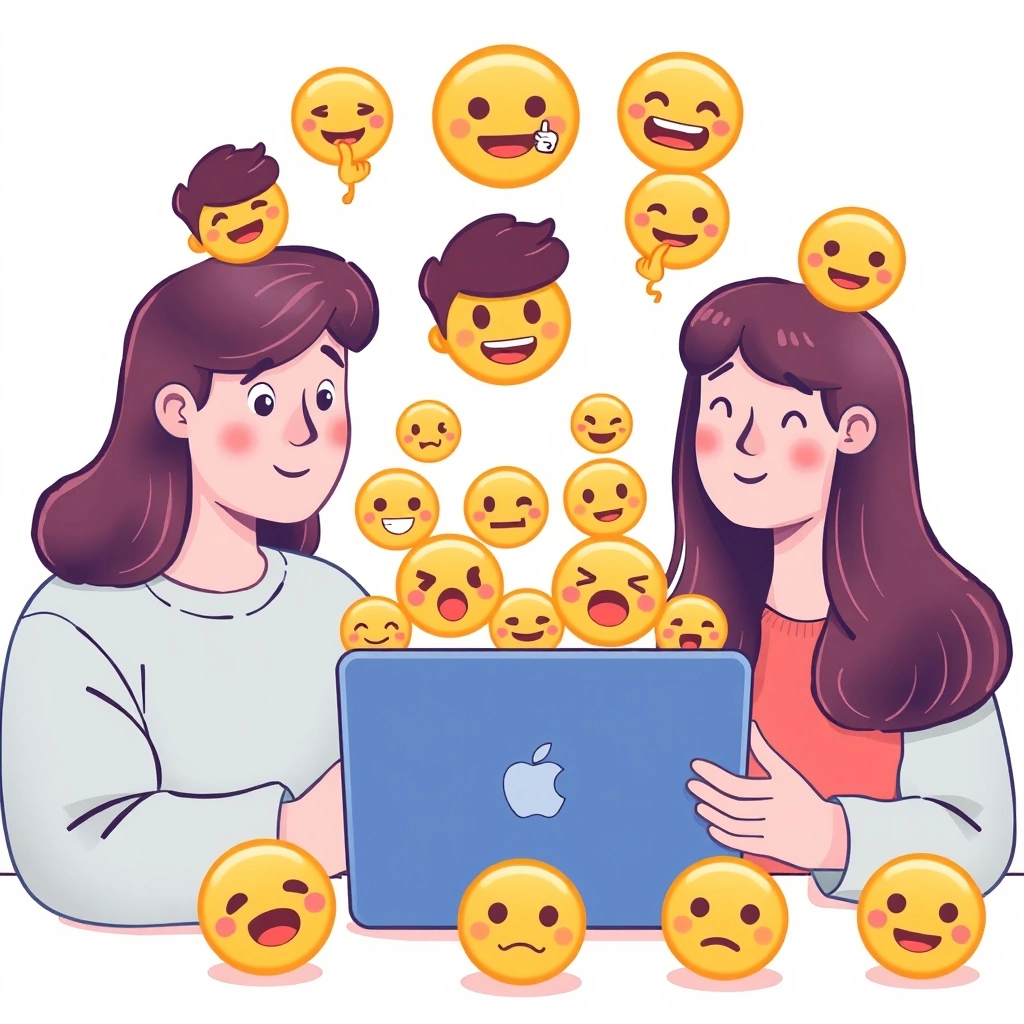
Emojis are more than just decorative additions; they are powerful emotional navigators. They act as shorthand for feelings, intentions, and even attitudes. A simple 👍 can convey approval, agreement, or encouragement without needing a single additional word. A 😂 clarifies that your preceding statement was a joke, preventing someone from taking it seriously. This isn't just about saving time; it's about clarity and precision.
In a professional context, a carefully chosen emoji can soften feedback, add warmth to a request, or express gratitude more genuinely. In personal conversations, they help maintain emotional connection and prevent casual remarks from being misconstrued as cold or dismissive. They allow us to express empathy, excitement, or even playful teasing in ways that plain text struggles to accomplish.
Reducing Ambiguity, One Emoji at a Time
Consider the psychological impact. When we see an emoji, our brains process it as a visual cue, almost like a miniature facial expression. This triggers an immediate emotional response, guiding our interpretation of the accompanying text. This rapid processing helps unlock our brain's ability to instantly streamline our digital thoughts, making communication smoother and less taxing.
Without emojis, we're left guessing. Is the message sender angry or simply being direct? Are they happy or just polite? Emojis provide a clear signal, reducing the cognitive load required to decipher meaning. This reduction in uncertainty isn't just convenient; it's vital for fostering healthier, more efficient online interactions.
Beyond Words: The Subtle Shift in Meaning
The beauty of emojis lies in their ability to subtly shift the meaning of a message without changing the words themselves. It’s like adding a musical score to a monologue – the words remain the same, but the emotional resonance changes entirely. An emoji can turn a neutral statement into an encouraging one, a serious question into a lighthearted inquiry, or a directive into a gentle suggestion. This is a profound capability, allowing us to convey complex social cues with incredible economy.
The way we interpret text is deeply personal, influenced by our mood, past experiences, and relationship with the sender. Emojis provide a shared reference point, helping to align those interpretations. They act as a common emotional denominator, making it easier for both sender and receiver to be on the same page. To delve deeper into this phenomenon, you might be interested in how emojis subtly shift meaning in your messages, truly illustrating their power.
The Psychology Behind Emoji Use
From a psychological standpoint, emojis tap into our innate human need for emotional connection and understanding. They satisfy our desire to express ourselves fully and to be understood accurately. When we send an emoji, we’re not just adding a cute graphic; we’re providing a vital piece of context, mitigating the risk of being misunderstood.
The field of emoji psychology is constantly evolving, revealing new insights into how these symbols impact our perception, empathy, and even decision-making processes online. Studies consistently show that messages accompanied by positive emojis are perceived as more friendly and positive, while even neutral messages can be interpreted more favorably when an emoji is present. This isn't manipulation; it's enhanced communication.
The Evolution of Digital Expression
As digital communication continues to evolve, emojis are becoming an indispensable part of our linguistic toolkit. They are a universal language, transcending geographical and linguistic barriers to some extent, allowing for a shared understanding of emotion. They inject humanity back into what can often feel like a cold, impersonal digital space.
The next time you’re crafting a message, pause and consider the power of an emoji. Could a simple smiley face prevent a misunderstanding? Could a heart warm up a professional interaction? The answer is almost always yes. By embracing emojis, we’re not just making our messages more colorful; we’re making them clearer, more empathetic, and ultimately, more human.
In conclusion, emojis are far more than mere embellishments. They are critical tools in our digital lexicon, expertly designed to bridge the gap created by text-only communication. By providing essential emotional cues and reducing the guesswork, they empower us to communicate with greater clarity and confidence, ensuring our true intentions shine through. They truly make online interactions less uncertain and more genuinely connected.
📒 Related Blogs
More...The Unseen Power: How Emojis Secretly Shape What Others Think of You
The Secret Power of Emojis in Viral Conversations
The Unsung Heroes of Work Chat: How Emojis Make Your Slack Messages Land Perfectly
The Future of Emojis: Decoding Digital Expression's Next Frontier
Beyond the Single Emoji: How Combinations Tell Your Full Story
Emojis: The Secret Sauce for Friendly, Flowing Digital Conversations