The Secret Power of Emojis in Viral Conversations

Feb 06,2026
You’ve scrolled past it a thousand times. A post pops up in your feed. The text is interesting, maybe even provocative. But something makes you stop, read it fully, and feel compelled to tap that heart or reply button. Chances are, that ‘something’ was an emoji.
In the fast-paced world of social media, where attention is the ultimate currency, emojis have evolved from cute decorations to powerful tools of engagement. They do more than just illustrate a point; they invite people in. A post about a frustrating day at work might get a sympathetic nod. But add a single 😮💨 (face exhaling) or 😤 (face with steam from nose), and suddenly, you’re not just stating a fact—you’re sharing a feeling. That emotional shorthand is what turns passive viewers into active participants.
Why Emojis Act as Engagement Magnets
Think about the last big viral debate you saw. It could have been about a new movie, a political event, or a celebrity tweet. The posts that rose to the top, sparking thousands of replies and shares, rarely used text alone. They were punctuated with emojis that framed the entire conversation.
A 🔥 (fire) emoji can signal agreement and amplify a hot take. A 🤔 (thinking face) can politely express doubt and invite deeper discussion. A 😂 (face with tears of joy) can completely defuse tension, turning a potential argument into a shared joke. These tiny icons work because they provide instant emotional context. In a text-heavy environment, they cut through the noise and tell the reader, “This is how you should feel about this.”
This isn't just anecdotal. Platforms are designed for visual engagement. Posts with emojis often see higher metrics—more likes, comments, and shares—because they are simply more noticeable and relatable. They create a point of connection that plain text struggles to achieve.
This dynamic is especially clear in public discussions where reactions are everything. When a topic starts trending, the early comments often set the tone. A few well-placed emojis can act as social cues, guiding the crowd toward a specific reaction, whether it’s collective outrage (😠), overwhelming support (❤️), or confused skepticism (🤨).
The Double-Edged Sword of Emoji Tone
Of course, with great power comes great responsibility. The same emoji that fuels a positive movement can also accidentally escalate a conflict. Sarcasm is notoriously difficult to convey online, and an emoji meant as a playful wink 😉 can be misinterpreted as smug or dismissive.
This is where public interpretation gets tricky. A single 🥴 (woozy face) or 🙃 (upside-down face) can completely alter the meaning of a sentence. In a viral discussion, where thousands of people from different cultures and backgrounds are interpreting your post, choosing the right emoji becomes a subtle art. It’s about understanding the unspoken rules of digital body language.
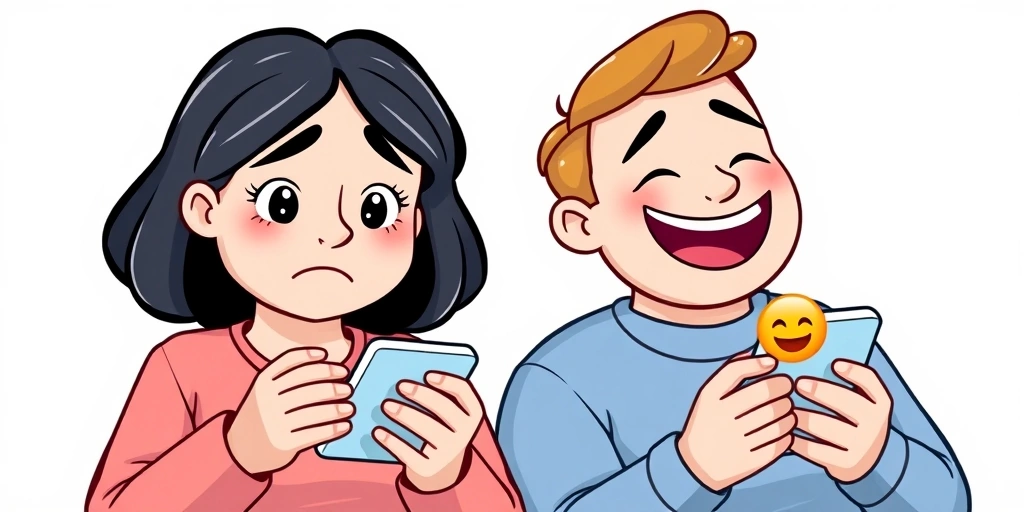
For more on how these icons shape our online conversations, explore our thoughts on how emojis shape the tone of public discourse.
Building Community, One Icon at a Time
Beyond driving metrics, emojis have a profound effect on community building. In a viral thread, using a specific, niche emoji can act as a badge of belonging. It signals to others, “I’m part of this group. I understand the context.” This creates in-groups and fosters a sense of shared identity, which is a powerful driver for sustained engagement.
Furthermore, emojis make interactions feel more human. A reply from a brand or a public figure that includes a 🙂 feels infinitely more personal and approachable than a sterile, corporate response. This human touch is what transforms a one-time viral moment into an ongoing relationship with an audience.
So, the next time you’re about to post something you hope will resonate, take a second. Look at your words. Could they use a dash of emotion? A spark of humor? A gesture of solidarity? That’s the space where an emoji lives. It’s the quiet nudge that tells the world not just what you think, but how you feel about it. And in the noisy arena of viral talk, that feeling is often what gets people to listen, react, and join the conversation.
For more insights into the intersection of emojis and social dynamics, check out our broader collection in the Emoji & Social Media category.
📒 Related Blogs
More...The Evolution of Visual Language: From Ancient Hieroglyphs to Modern Emojis
The Anticipation Pixel: How Emojis Bridge the Gap in Emotional Uncertainty
When Emojis Backfire: How a Simple Smiley Can Confuse Your Professional Message
The Secret to Effortless Chats: How Emojis Keep Your Conversations Alive
The Secret Language of Two: How Emoji Pairs Redefine Our Quickest Digital Replies
The Quiet Power of Emojis: How They Build Confidence in Private Chats