Tiny Icons, Huge Impact: Emojis Supercharge Reactions & Drive Viral Debates on Social Media

Jan 08,2026
Ever notice how a simple emoji can completely change the vibe of a social media post? It's more than just a decorative addition; these tiny icons are powerful tools, shaping how we interpret messages and influencing the emotional temperature of viral discussions across countless platforms. In today’s fast-paced digital world, where attention spans are fleeting, emojis have become the secret sauce that helps content cut through the noise, driving reactions and sparking conversations in ways plain text simply can't.
The Instant Emotional Connection
Think about it: a wall of text can be daunting, but sprinkle in a few well-chosen emojis, and suddenly, the message feels more human, more immediate. Emojis act as universal emotional shortcuts, conveying joy, frustration, sarcasm, or excitement in an instant. This immediate emotional resonance is crucial on social media, where a fraction of a second can determine whether a post gets scrolled past or paused on. Public audiences are highly attuned to these visual cues, using them to quickly gauge the sentiment of a message before even fully processing the words.
When a post goes viral, it’s rarely just about the factual information it contains. More often, it's the emotional hook that drives shares, likes, and comments. Emojis amplify these emotional hooks, making a passionate plea feel more urgent, a funny joke more hilarious, or a critical comment more scathing. They provide a common ground for understanding, transcending language barriers and cultural nuances to a surprising degree. It's this shared emotional language that often fuels the fire of a viral discussion, uniting people in laughter or collective outrage.
From Personal Expression to Public Opinion
While emojis started as a fun way to express personal feelings in messages, their role has expanded dramatically. On public forums and trending topics, they now serve as signals of collective sentiment. A flurry of laughing faces under a political meme, or a cascade of angry emojis on a news post, can quickly indicate the prevailing public mood. This isn't just about individual reactions; it’s about a collective pulse, giving a visual representation of how a large audience interprets and feels about a particular piece of content or a broader issue.
This dynamic is especially evident in heated discussions. Emojis can either de-escalate tension with a lighthearted wink or intensify it with a pointed grimace. They give users a quick, low-effort way to weigh in, making participation more accessible and widespread. The sheer volume of emoji reactions can even become news in itself, highlighting the extent of public engagement and the direction of public opinion on controversial topics. You can explore more about how these symbols ignite discussions in different contexts by visiting our emoji and social media blog category.
The Power of Shared Understanding (and Misunderstanding)
While emojis are incredibly effective at conveying emotion, they're not foolproof. The same emoji can sometimes be interpreted differently depending on cultural context, generational usage, or even personal habits. A skull emoji, for instance, might mean "dead serious" to one person and "hilariously funny" to another. This potential for varied interpretation adds another layer to viral discussions, sometimes sparking meta-conversations about the emojis themselves.
However, more often than not, in viral discussions, a dominant interpretation emerges, guided by the context of the post and the collective response. When thousands of people react with the same emoji to a specific piece of content, a shared understanding is quickly forged. This collective interpretation can then influence subsequent reactions, creating a powerful feedback loop that further amplifies the original message's emotional impact. It’s like a digital wave of emotion, washing over the platform.
How Emojis Drive Engagement and Virality
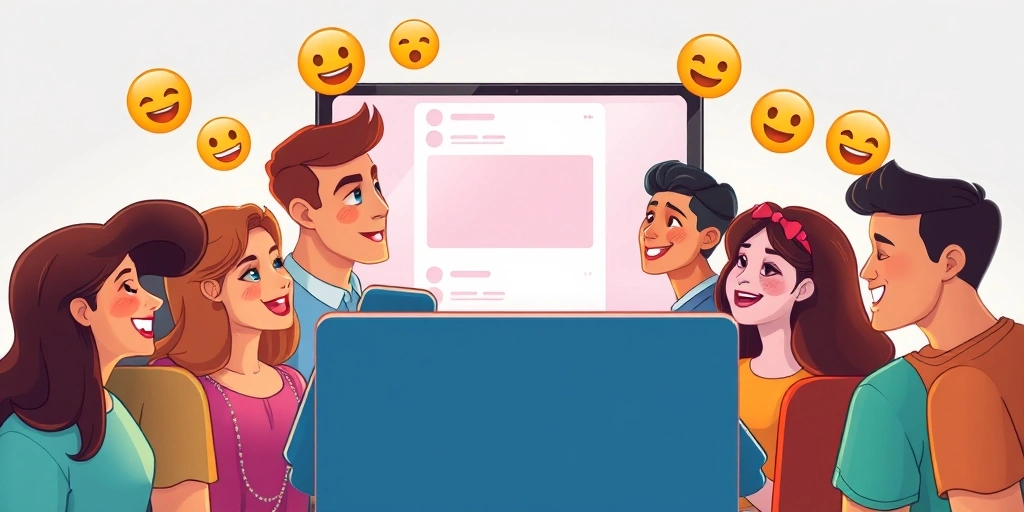
Beyond simply expressing emotion, emojis are fantastic engagement drivers. A post with emojis often gets more shares, likes, and comments because it's visually appealing and emotionally resonant. Platforms themselves recognize this, sometimes prioritizing content that generates more interactions, and emojis are a significant contributor to that. They invite interaction, encouraging users to respond in kind, or to use emojis to express their own take on the conversation. This ease of engagement is a cornerstone of virality.
When content goes viral, it means it has resonated deeply with a broad audience, prompting them to share it widely. Emojis play a crucial role here by making content more "shareable." A powerful emoji combination can make a statement so concise and impactful that it’s almost irresistible to pass on. It’s a shorthand for a feeling, a belief, or a reaction, allowing users to instantly align themselves with the message and spread its emotional core to their own networks. The simplicity of a reaction click means that even users who might not type out a full comment can still express their sentiment instantly.
Shaping Narratives and Influencing Perceptions
In the digital age, narratives are often shaped not just by facts, but by the emotional framing around them. Emojis are masters of emotional framing. They can steer public perception, casting a positive glow on a story or injecting skepticism and cynicism into another. A news article shared with a sarcastic emoji can completely alter how its readers approach the content, making them question its authenticity or intent from the outset.
This influence extends to brand perception, political discourse, and social movements. Public figures and organizations are increasingly mindful of the emojis used in their own communications, and just as importantly, the emojis used by the public in response to their content. A wave of positive emojis can indicate successful engagement and approval, while a surge of negative ones can signal a public relations crisis in the making. Understanding this dynamic is key for anyone trying to communicate effectively on social platforms.
The strategic use of emojis in marketing campaigns, for instance, can make a product seem more relatable, exciting, or trustworthy. Similarly, in social activism, a single emoji can become a symbol of solidarity, a rallying cry that unites supporters across the globe. For a deeper dive into the powerful reactions emojis can unleash in shared social posts, check out our article: The Secret Language: How Emojis Unleash Powerful Reactions in Shared Social Posts.
The Future is Visually Emotional
As our digital communication continues to evolve, the role of emojis is only likely to grow. They are becoming more sophisticated, diverse, and integrated into our daily interactions. They offer a nuanced palette of emotions that complement and sometimes even replace traditional linguistic expressions. For public audiences, mastering the art of reading and employing emojis is becoming an essential skill for navigating the complex emotional landscapes of social media.
The next time you see a post going viral, take a moment to notice the emojis being used. Are they creating a sense of shared joy, collective frustration, or something else entirely? Understanding the emoji effect is understanding a significant part of how modern online conversations truly function. It's a testament to these tiny icons that they can wield such immense power, turning simple text into a vibrant, emotionally charged experience that resonates with millions.
📒 Related Blogs
More...Emoji Etiquette: Mastering Professional & Casual Communication
The Delicate Art of the Work Emoji: Finding the Perfect Tone in Professional Chats
The Quiet Confidence of Emojis: When Words Feel Too Risky
The Secret Ingredient to Playful Chats: How Emojis Turn Talk into a Game
When Emojis Miss the Mark: The Unseen Awkwardness in Digital Chats
Beyond a Single Emoji: How Combinations Speak Volumes in Group Chats