Emoji Etiquette: Mastering Professional & Casual Communication

Dec 11,2025
Emojis have become an indispensable part of our daily digital dialogues, transforming how we express emotions and convey nuances in text. From a quick text to a detailed work email, these tiny icons can either enhance clarity or create confusion. Mastering emoji etiquette is crucial for navigating both professional and casual conversations seamlessly. But how do we know when to use a simple slightly smiling face or a hearty face with tears of joy?
This guide will help you understand the unspoken rules of emoji usage, ensuring your messages are always well-received, whether you're chatting with colleagues or catching up with friends. Remember, good communication is about clarity and connection, and emojis, when used correctly, are powerful tools for achieving both.
Understanding Emoji Context
The golden rule of emoji etiquette is context. What's perfectly acceptable in one conversation might be entirely inappropriate in another. Think about your audience and the purpose of your message before adding that little icon.
Professional Settings: Do's and Don'ts
In the workplace, professionalism often dictates a more conservative approach to emojis. While some modern workplaces encourage a friendly atmosphere, it’s best to err on the side of caution, especially when communicating with superiors or external clients.
Do: Use sparingly to convey warmth or approval. A simple thumbs up or a polite `🙂` can soften a message or acknowledge receipt. Use emojis in internal team chats if the company culture permits and colleagues widely use them. They can sometimes break the ice or add a personal touch to team discussions. For a vast Emoji collection, you can always visit emojilar.com.

Don't: Overuse emojis in formal emails, job applications, or serious discussions. Avoid ambiguous emojis that could be misinterpreted. Steer clear of overly casual or emotional emojis that might undermine your credibility or professionalism. Never use emojis to replace clear written communication where precision is key.
Casual Conversations: Expressing Yourself Freely
With friends and family, the rules relax considerably. Casual chats are where emojis truly shine, allowing for a rich tapestry of emotional expression that words alone sometimes struggle to capture. Feel free to use a wide range of emojis to convey humor, excitement, sadness, or playful banter.
Do: Experiment with combinations, create emoji narratives, and use them to amplify your tone. Emojis can add personality to your messages and strengthen your bonds. Feel free to Copy emoji characters and paste them into your chats to make your messages more expressive and fun. Use them to express a range of emotions, from laughter to sympathy, making your conversations more dynamic.
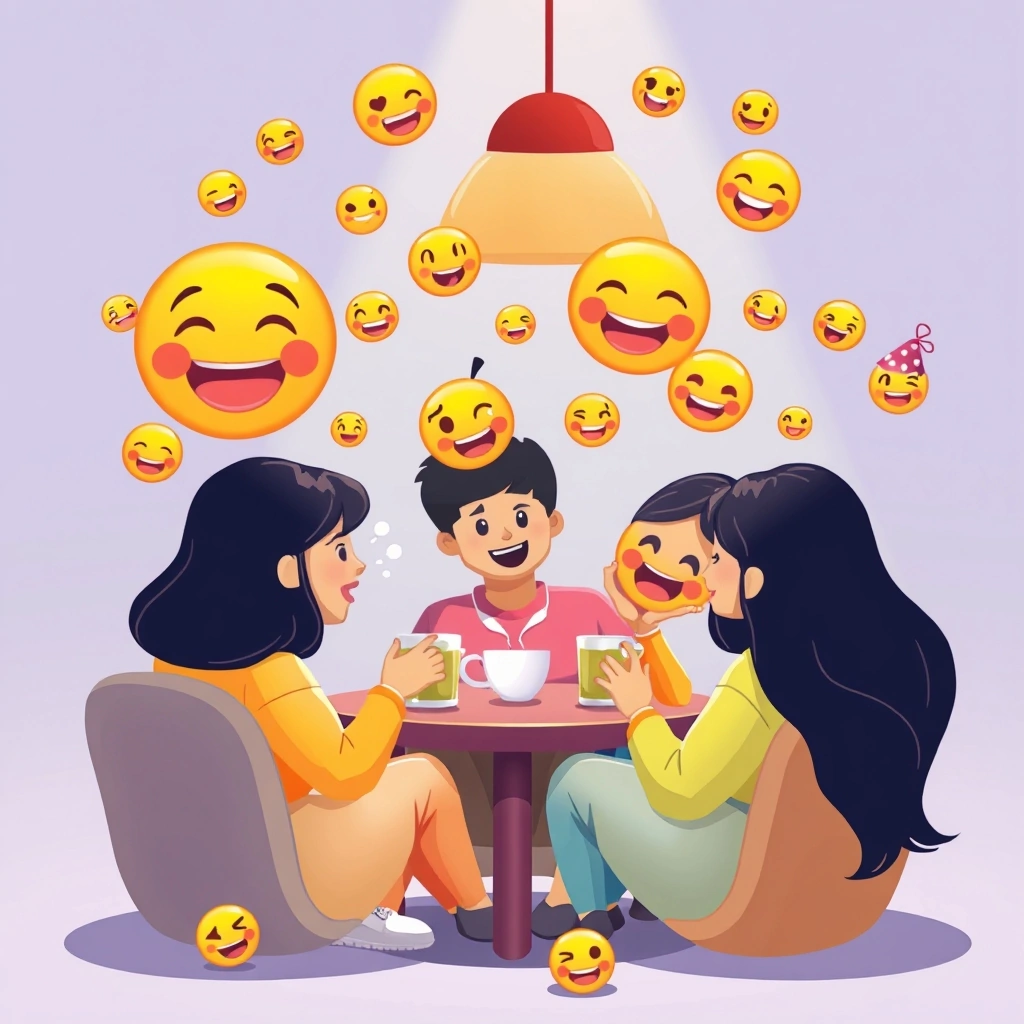
Don't: Assume everyone understands the nuances of every emoji, especially across different generations or cultural backgrounds. While casual, still be mindful of your recipient's comfort level. Avoid using offensive or potentially divisive emojis, even in casual settings.
Common Emoji Misinterpretations
One person's innocuous icon can be another's perplexing symbol. The `🙏` (folded hands) emoji, for instance, is often used for "thank you" or "please" in some cultures, while others interpret it as "praying." Similarly, `🍆` (eggplant) and `🍑` (peach) have acquired specific suggestive connotations beyond their literal meanings. Always consider the potential for misinterpretation and choose your emojis carefully, especially when the stakes are higher.
Best Practices for Effective Emoji Use
- Know Your Audience: Tailor your emoji use to the recipient and the context.
- Less is Often More: A single well-placed emoji can be more impactful than a string of them.
- Clarity First: Emojis should complement your text, not replace it. Your message should still be understandable without them.
- Be Consistent: If you start using emojis in a conversation, maintain a consistent style.
- Observe and Adapt: Pay attention to how others in your group or workplace use emojis and adjust your style accordingly.
Ultimately, emoji etiquette is about thoughtful communication. By understanding the environment, respecting your audience, and choosing your icons wisely, you can harness the power of emojis to make your digital interactions more engaging, clear, and genuinely human. So go ahead, express yourself, but always with a dash of digital wisdom!
📒 Related Blogs
More...The Secret Sauce of Social Messaging: How Emojis Keep Conversations Fun and Light
The Future of Emojis: Predicting the Next Evolution in Digital Communication
The Softening Power of Emojis: How a Simple Icon Can Defuse Tension Online
Emoji Art and Design: Unlocking Creative Expressions Beyond Simple Text
Emojis: The Secret Ingredient for Chill, Low-Pressure Chats
The Unseen Hand: How Online Communities Shape Our Favorite Emojis