The Emoji Lifeline: How a Simple 😅 or 👍 Can Save a Casual Chat

Jan 22,2026
We’ve all been there. You send a quick text—maybe a simple “Sounds good!” or “Thanks for that.” You hit send, and then… nothing. The little “Read” receipt glares back at you, and a tiny wave of social anxiety washes over. Was my message too blunt? Did it sound sarcastic? Should I send something else?
In these micro-moments of digital interaction, emojis aren’t just decorative. They’re a lifeline. They’re the digital equivalent of a warm smile, a knowing nod, or a friendly shrug that says, “We’re good here,” without needing another sentence.
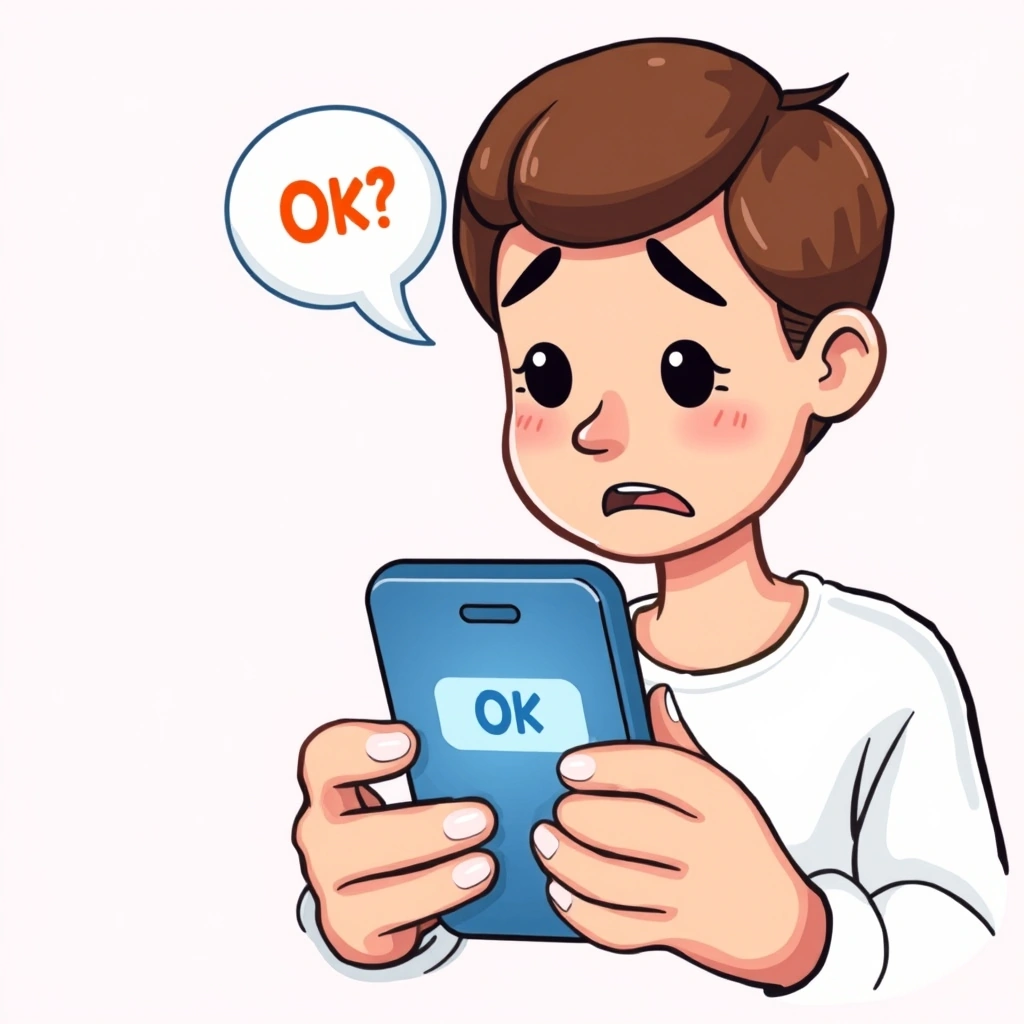
Think about the last time someone confirmed plans with just “OK.” It feels a bit… transactional, right? Now, picture “OK 👍” or “OK 😊”. Suddenly, the same message carries a completely different energy. The thumbs-up adds affirmation; the smiling face adds warmth. That’s the magic. In simple exchanges where full sentences feel unnecessary or even cumbersome, emojis step in to provide the emotional context words alone might lack.
Filling the Gaps Words Leave Behind
Written text is famously bad at conveying tone. A simple “Sure” can be read as enthusiastic agreement, reluctant acceptance, or passive-aggressive surrender, depending on the reader’s mood. This is where awkward digital silences are born. The other person is left deciphering your intent, and the conversation stalls.
Emojis cut through that ambiguity. They are the punctuation of emotion. Adding a 😅 to a slightly late reply (“Sorry, just saw this! 😅”) instantly frames it as a good-natured, flustered apology rather than a careless one. A ❤️ on a “Thank you so much” deepens the gratitude. These tiny icons do the heavy lifting of communicating your state of mind, preventing the other person from having to guess and potentially misread you.
For more on how emojis create this effortless flow, check out our thoughts on the secret language of emojis.
The Art of the Low-Pressure Response
Not every message requires a novel. In fact, most of our daily chats are built on these quick back-and-forths. Emojis are perfect for these low-pressure responses that keep the connection alive without demanding more mental energy.
Someone shares a funny meme? A 😂 or 🤣 is a perfect, universally understood reaction. They tell you a small win from their day? A 🎉 or 👏 celebrates with them instantly. Your friend vents about a minor frustration? A 😔 or 🤦♂️ shows empathy in a split second. These responses acknowledge the other person, validate the shared moment, and keep the conversational thread warm—all without the pressure of crafting a “perfect” reply.
It’s about matching the energy of the exchange. A full paragraph in response to a meme can feel oddly intense, while a single, well-chosen emoji feels just right. It’s the digital nod of understanding.
Moving Past the “Awkward Period”
Newer or more casual acquaintanceships are especially prone to these silent gaps. You don’t yet have a shared history or established banter. Emojis can be a gentle bridge here.
Ending a logistical chat with a 🙂 or a 👋 feels friendlier and more open than a stark period. Reacting to their story with a 😮 or 😲 shows engaged interest. It’s a way of softly signaling, “I’m friendly and approachable,” which helps build rapport over time. It turns a potentially cold transaction of information into a slightly warmer human interaction.
You can find more subtle tricks like this in our guide to making short texts feel warmer.
Of course, it’s not about peppering every message with a dozen emojis. It’s about strategic, thoughtful use. One well-placed emoji at the end of a short text can be the difference between “message received” and “message received, and I appreciate you.” It closes the loop emotionally, not just informationally.
So the next time you’re about to send a plain “K,” or you feel that tiny pause stretching into awkwardness, remember your emoji toolkit. That little face, object, or gesture is more than a cartoon—it’s a powerful, simple tool for human connection, designed to do one job beautifully: making sure the other person feels seen, understood, and comfortable, one tiny icon at a time.
For more tips on using emojis in everyday life, explore our other emoji guides and how-tos.
📒 Related Blogs
More...The Power of Emojis: Shaping Online Identity and Self-Expression
How Emojis Rewire Our Brains: The Hidden Psychology of Digital Tone
How Emojis Became Our Secret Weapon Against Workplace Misunderstandings
The Art of the Brief Reply: How a Simple Emoji Transforms Professional Messaging
That 'Whew!' Moment: How Emojis Whisper Relief in Our Private Chats
The Art of the Soft Landing: How Emojis Make Tough Feedback Feel Human