Unlock the Fun: How Emojis Transform Your Chats into Playful Mini-Games!

Dec 28,2025
Remember when emojis were just, well, emojis? A simple smiley face here, a thumbs-up there, maybe a crying-laughing face for good measure. They were reactions, expressions, quick ways to convey emotion without typing a whole sentence. But lately, I’ve noticed something truly wonderful happening in our group chats and DMs: emojis are transforming replies into actual mini-games, little shared adventures that make communication so much more vibrant and fun!
It’s not just about what we say anymore; it’s about how we play with what we say. Suddenly, a string of seemingly random emojis isn't just a jumble – it's a puzzle waiting to be solved, a challenge daring us to be creative, or even a mini-story unfolding one icon at a time. It’s a delightful shift, turning mundane replies into moments of collective joy and ingenuity. It’s like every message carries a tiny, hidden quest, and everyone’s invited to join in the fun.
The Unexpected Evolution of Emoji Play
This isn't a phenomenon confined to super-techy forums or niche online communities. I see it everywhere, from family group chats trying to guess a movie title using only emojis to friend circles building elaborate stories, each person adding just one emoji to continue the narrative. It’s an organic evolution of how we interact digitally, pushing the boundaries of what a simple icon can do. And honestly, it’s one of the most heartwarming trends I’ve witnessed in online communication. For more insights into how emojis bring joy, you might want to check out how emojis turn relaxed chats into playful adventures.
Think about it: someone sends "🕵️♂️🏝️🦖" and suddenly everyone's scrambling to guess "Jurassic Park" or "Dinosaur Island." Or a friend posts a single "🚀" and the next person adds "🌠", then another "👽", building an impromptu space odyssey. It's collaborative, spontaneous, and utterly addictive. These little challenges inject such a playful energy into our conversations, making every notification a potential burst of laughter or a shared 'aha!' moment.
More Than Just Words: The Art of the Emoji Challenge
What makes these emoji mini-games so compelling? I think it’s the combination of brevity and creativity. Emojis force us to think outside the box, to convey complex ideas or narratives using a limited visual vocabulary. It’s like charades for your thumbs, and the shared understanding (or delightful misunderstanding!) is where the real magic happens. There's a certain thrill in deciphering a friend's emoji riddle or perfectly contributing to an ongoing story with just the right icon.
It’s also incredibly inclusive. You don't need to be a wordsmith to participate. Everyone can throw in an emoji. It lowers the barrier to entry for communication, encouraging even quieter members of a group to engage in a fun, low-pressure way. And let’s be real, who doesn’t love a good puzzle or a chance to show off their emoji-decoding skills?
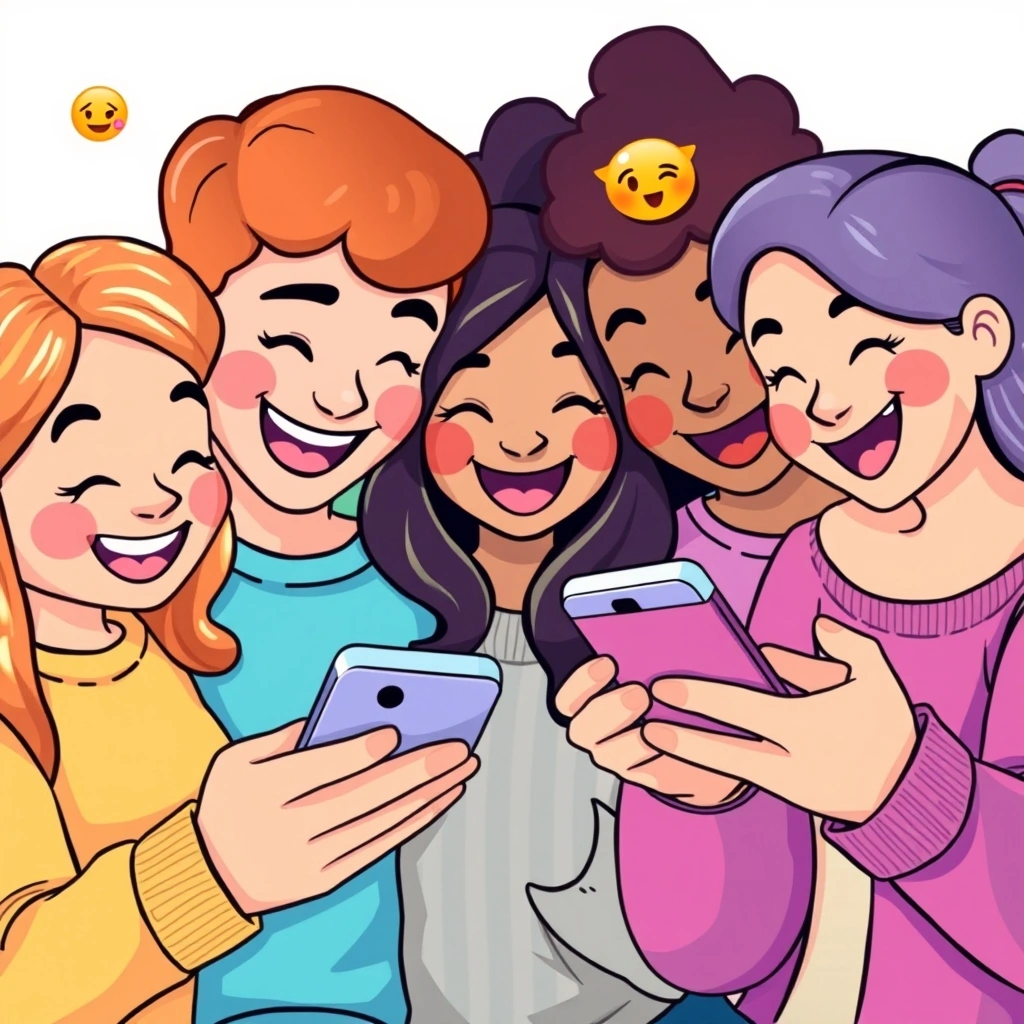
Building Bonds, One Emoji at a Time
Beyond the immediate fun, these emoji games serve a deeper purpose: they strengthen our social bonds. Shared laughter over a clever emoji sequence or a collective groan at a bad guess creates inside jokes and memorable moments. It’s a subtle but powerful way to feel more connected, to share a unique digital language that only your group understands. It transforms mere communication into interaction, turning individual replies into collective experiences. It's amazing how a string of small icons can become such a powerful tool for connection.
It also breaks the monotony of text-heavy conversations. Sometimes, you don't need a paragraph; you need a witty emoji reply that encapsulates your feelings perfectly. And when that reply then sparks a whole chain of playful interactions, it truly elevates the entire chat experience. It adds a layer of spontaneity and lightheartedness that can be really refreshing in our busy digital lives. You can find more ideas on how to level up your chats with emojis.
From Reaction to Interactive Storytelling
This trend shows just how adaptable and dynamic emojis are. They’ve evolved from simple emotional indicators to versatile tools for storytelling, gaming, and creative expression. They allow for a level of nuanced, playful communication that plain text sometimes struggles to capture. It's a testament to our innate human desire to play, to challenge ourselves, and to connect with others in imaginative ways, even within the confines of a small screen.
I often find myself waiting eagerly for the next emoji contribution in a group chat, wondering what wild turn the "story" will take next. It's a gentle reminder that even in our fast-paced digital world, there's always room for a little spontaneous fun and shared creativity. It’s a testament to how human ingenuity finds new outlets for play. These are the kinds of delightful surprises that make scrolling through my messages a genuinely joyful experience.
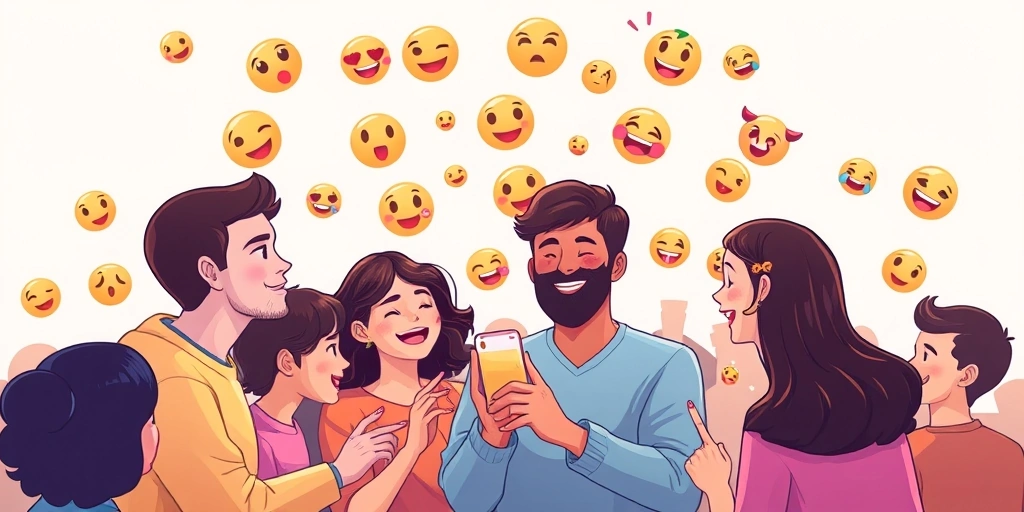
The Future of Playful Messaging
As our digital communication continues to evolve, I can only imagine what new forms of emoji-driven games and interactions will emerge. Perhaps more complex puzzles, collaborative art projects using only emojis, or even full-blown interactive narratives where choices are made by emoji reactions. The possibilities feel endless, and it’s exciting to be part of this evolving landscape where our digital tools encourage more joy and connection.
This playful side of emojis is a brilliant way to keep our conversations fresh and engaging. It reminds us that communication isn't just about exchanging information; it's about sharing experiences, building relationships, and finding joy in the everyday interactions. So next time you're in a chat, don't just react with an emoji – use it to start a game, tell a story, or challenge your friends! You'll be surprised at how much fun you'll have. And if you're looking for more ways to incorporate fun into your digital life, check out our broader emoji fun and games category.
📒 Related Blogs
More...The Unwritten Rules: How Emojis Shape New Meanings in Online Communities
Unlocking Digital Emotions: The Psychology Behind Your Favorite Emojis
When a Smiley Face Feels All Wrong: Navigating Emoji Awkwardness
The Fascinating Evolution of Emojis: From Early Kaomoji to Global Unicode
Effortless Express: How Emojis Revolutionize Your Daily Chats
The Psychology Behind Emojis: How They Shape Our Digital Conversations