The Psychology Behind Emojis: How They Shape Our Digital Conversations

Dec 09,2025
In the vast landscape of digital communication, where words can often feel flat and devoid of emotion, emojis have emerged as powerful tools, adding layers of meaning and nuance to our messages. Far from being mere decorative additions, these tiny icons play a significant role in the psychology of our online conversations, influencing how we perceive, interpret, and connect with others. Understanding their impact is key to mastering modern communication, and thankfully, resources like Emoji online make it easy to find and use them.
The Emotional Amplifiers: Why We Use Emojis
Emojis act as digital body language, providing crucial non-verbal cues that are often lost in text-based interactions. Think about the difference between "Okay." and "Okay! 😀". The addition of the Grinning Face instantly transforms the tone from potentially curt to friendly and enthusiastic. Studies show that emojis can help convey emotions more effectively, making our messages clearer and reducing the chances of misinterpretation. They allow us to express joy, sadness, sarcasm, and affection in ways that plain text often struggles to achieve. 
Bridging the Clarity Gap and Avoiding Misunderstandings
One of the most valuable psychological contributions of emojis is their ability to bridge the clarity gap. In written communication, ambiguity is a common pitfall. A sarcastic comment, for instance, can easily be taken literally without the accompanying tone of voice or facial expression. A simple 😉 (Winking Face) or 😂 (Face with Tears of Joy) can instantly signal the intended humor or irony, preventing potential misunderstandings. They provide context and emotional anchors, guiding the recipient towards the sender's true intention. This is especially important in a world where quick, informal messages dominate our daily interactions. 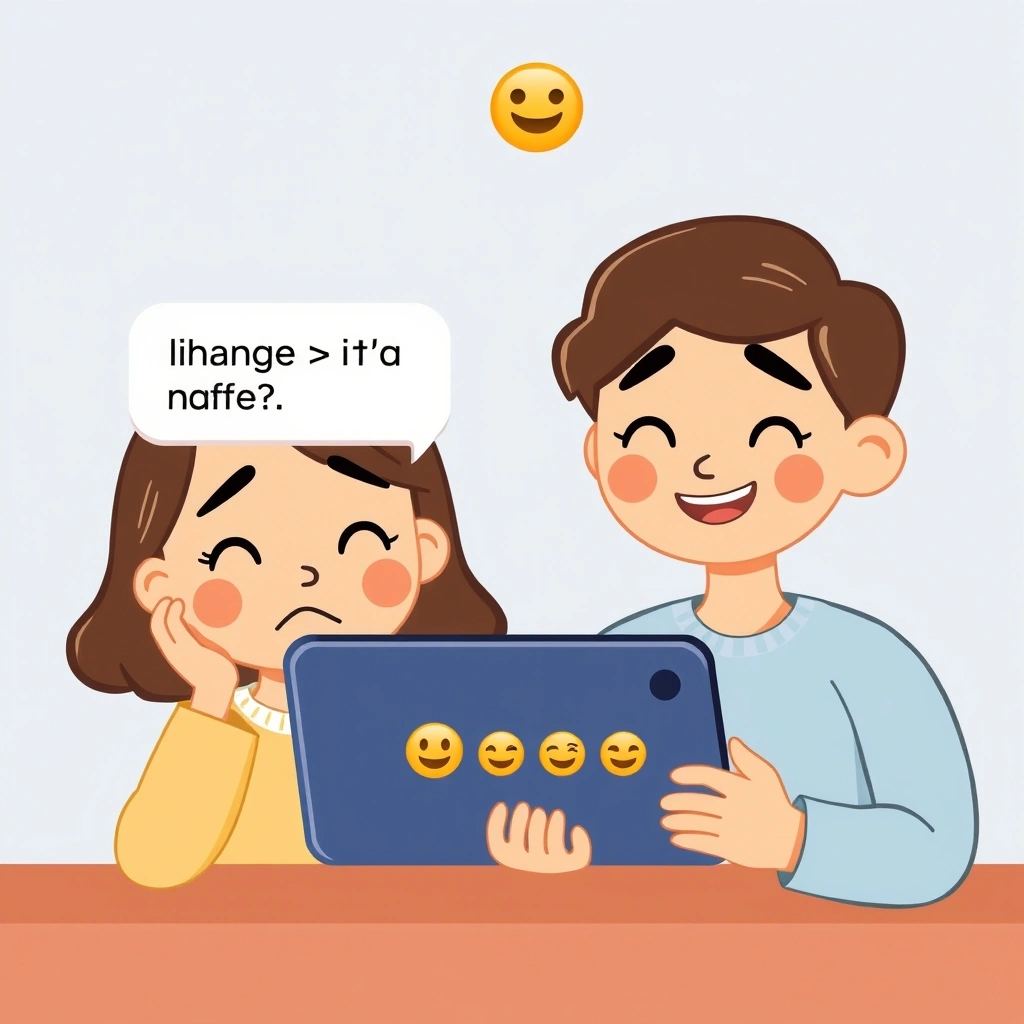
Building Connections and Enhancing Rapport
Beyond clarifying emotions, emojis are incredibly effective at building and strengthening social connections. When we use emojis that resonate with the recipient, we create a sense of shared understanding and rapport. They can make conversations feel more personal, warmer, and more human. Receiving a message with a well-placed Red Heart or a thoughtful 🙏 (Folded Hands) can significantly increase feelings of closeness and empathy. This is why many people find online interactions more engaging and less sterile when emojis are used appropriately. For a complete Emoji collection, visit our site.
The Power of Perception: How Emojis Shape Impressions
The type and frequency of emojis we use can also subtly shape how others perceive us. Research suggests that using a moderate amount of positive emojis can make you appear more friendly and approachable. However, overuse or misuse can sometimes have the opposite effect, potentially making a message seem less serious or even childish depending on the context. It’s all about balance and understanding your audience. For instance, the Thinking Face can imply thoughtfulness or curiosity, enhancing the intellectual tone of a message. 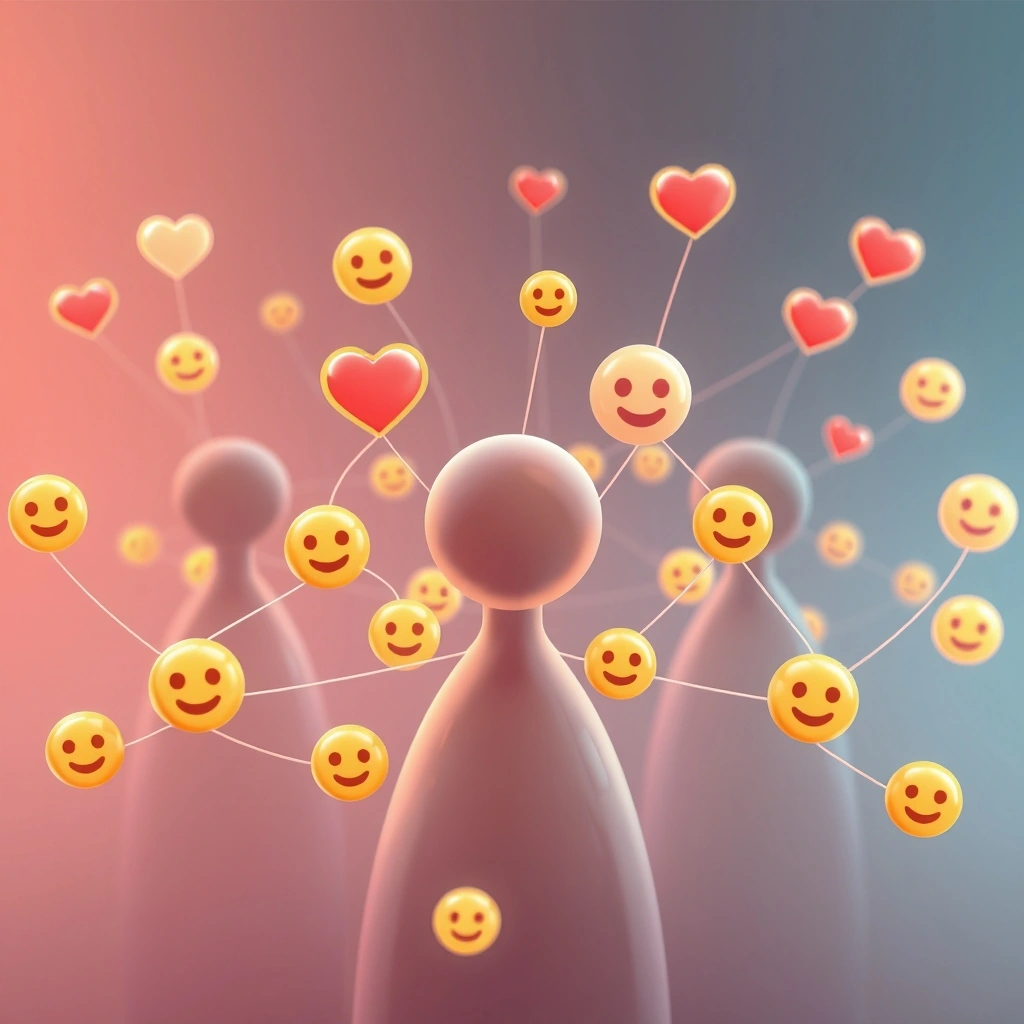
In conclusion, emojis are far more than just fun little pictures. They are a sophisticated component of our modern lexicon, serving vital psychological functions in our digital lives. They help us express emotions, clarify intent, build stronger connections, and even shape perceptions. As digital communication continues to evolve, the psychological significance of these colorful icons will only grow, underscoring their irreplaceable role in how we connect and understand each other. If you ever need to Copy emoji for your next message, remember to explore all the options available.
📒 Related Blogs
More...Beyond Words: The Subtle Power of Emojis in Navigating Sensitive Conversations
Unpacking Global Emojis: Regional Differences in Digital Communication
How Emojis Turn Your Casual Chats Into a Playful Game
The Secret Language of Emojis: How They Soothe Our Digital Jitters
The Softening Power of Emojis: How a Simple Icon Can Defuse Tension Online
The Mind's Shortcut: How Emojis Speed Up Our Digital Conversations