Unpacking Global Emojis: Regional Differences in Digital Communication

Dec 10,2025
Emojis have become an integral part of our digital communication, often touted as a universal language that transcends spoken barriers. Yet, beneath their cheerful facades lies a fascinating layer of cultural complexity. While a smiley face might seem straightforward, the truth is that the meaning and appropriate use of emojis can vary drastically from one region to another. Understanding these Emoji collection differences is key to truly decoding global digital conversations and avoiding accidental miscommunications.

The Nuances of Non-Verbal Digital Cues
Just like spoken language and body language, emojis are influenced by cultural norms and historical contexts. What is perfectly acceptable and even endearing in one country might be confusing or even offensive in another. This cultural lens shapes how users interpret and deploy these small but powerful icons. It’s a compelling reminder that communication, even in its most simplified digital form, is deeply rooted in our shared cultural understanding.
Thumbs Up (👍): A Global Gesture with Local Twists
Take the ubiquitous Thumbs Up emoji. In many Western cultures, it signifies approval, agreement, or "good job!" It's a positive, affirming gesture. However, venture into parts of the Middle East, West Africa, and even some South American countries, and the thumbs up can be interpreted as an insult, akin to a rude gesture. For anyone looking to copy emoji effectively across borders, being aware of such differences is crucial.
The Waving Hand (👋): Hello, Goodbye, or Go Away?
Another common example is the Waving Hand. For most, it's a friendly greeting or farewell. But in China, it can sometimes be used to signify "goodbye" in a more dismissive or even unfriendly way, particularly among younger generations. This subtle shift illustrates how even seemingly simple emojis require cultural sensitivity to use correctly in diverse online communities.

Praying Hands (🙏): From Reverence to High Five
Perhaps one of the most debated emojis for its diverse interpretations is the Praying Hands. While often representing prayer, gratitude, or spiritual devotion in many cultures, particularly in the West, it is widely used in Japan as a gesture of "please" or "thank you," reflecting a traditional Japanese bowing gesture. Furthermore, some users in Western contexts have adopted it to signify a "high five," further broadening its regional and subcultural meanings. This wide range of interpretations highlights the fascinating evolution of Emoji online usage.
Why Does This Matter for Digital Communication?
Understanding these regional differences isn't just an academic exercise; it's practical. For global brands, international friendships, or simply navigating diverse online communities, knowing how an emoji might be received can prevent misunderstandings and foster clearer, more respectful interactions. As our world becomes more interconnected, appreciating the cultural context behind digital expressions ensures that our messages are not just sent, but truly understood.
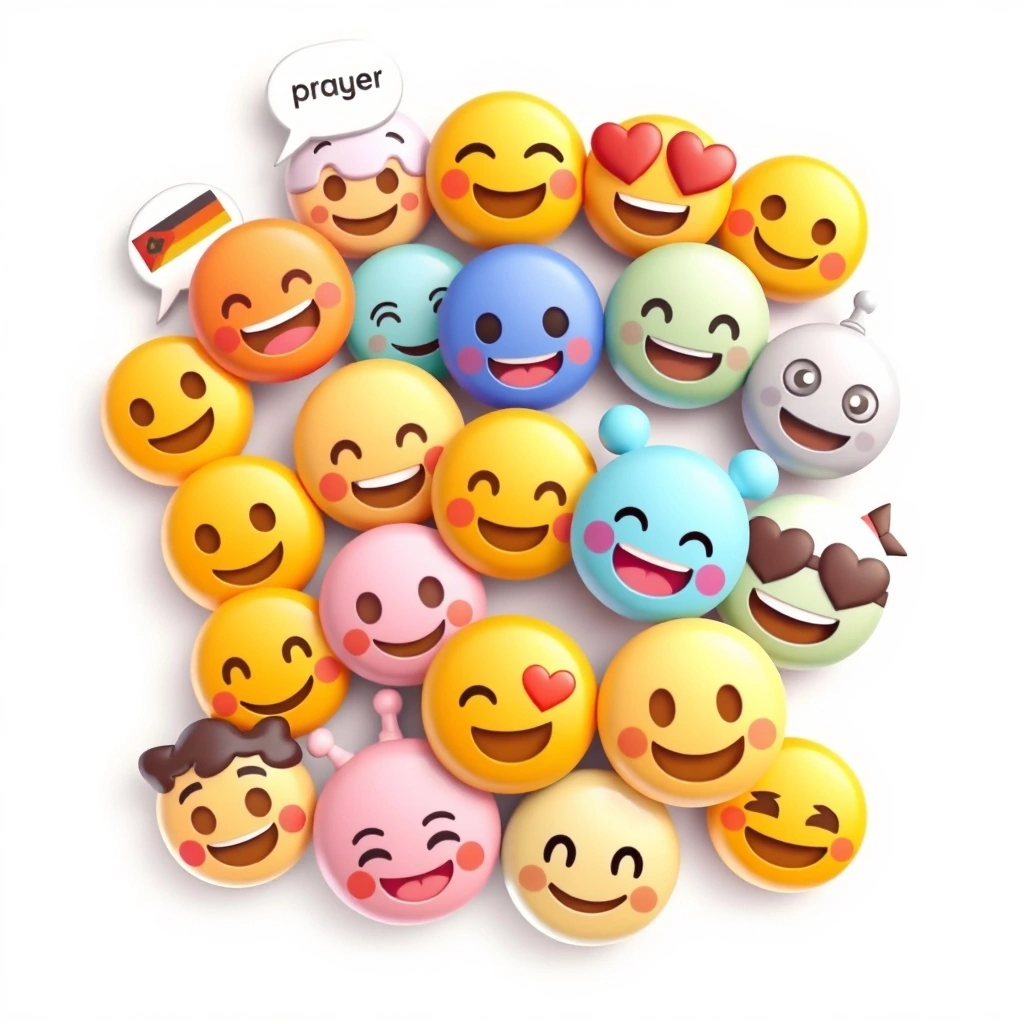
In conclusion, while emojis offer a fantastic way to add emotion and context to our digital chats, they are not entirely immune to cultural variations. The next time you paste emoji into a message intended for someone across the globe, take a moment to consider how it might be perceived through their cultural lens. Embracing these nuances enriches our digital tapestry and helps us communicate more effectively and empathetically with people from all walks of life. The world of emojis is vast and continually evolving, much like the diverse cultures that use them.
📒 Related Blogs
More...When Emojis Cause Confusion: How Group Chats Can Twist Your Intent
When Your Emoji Backfires: The Surprising Way Tone Gets Lost in Translation
The Emoji Enigma: How Those Little Icons Accidentally Confuse Our Casual Chats
Decode the Digital Silence: How Emojis Revolutionize Online Communication Clarity
The Quiet Power of Emojis: How They Build Confidence in Private Chats