When Your Emoji Backfires: The Surprising Way Tone Gets Lost in Translation

Jan 18,2026
The Best Intentions, The Wrong Impression
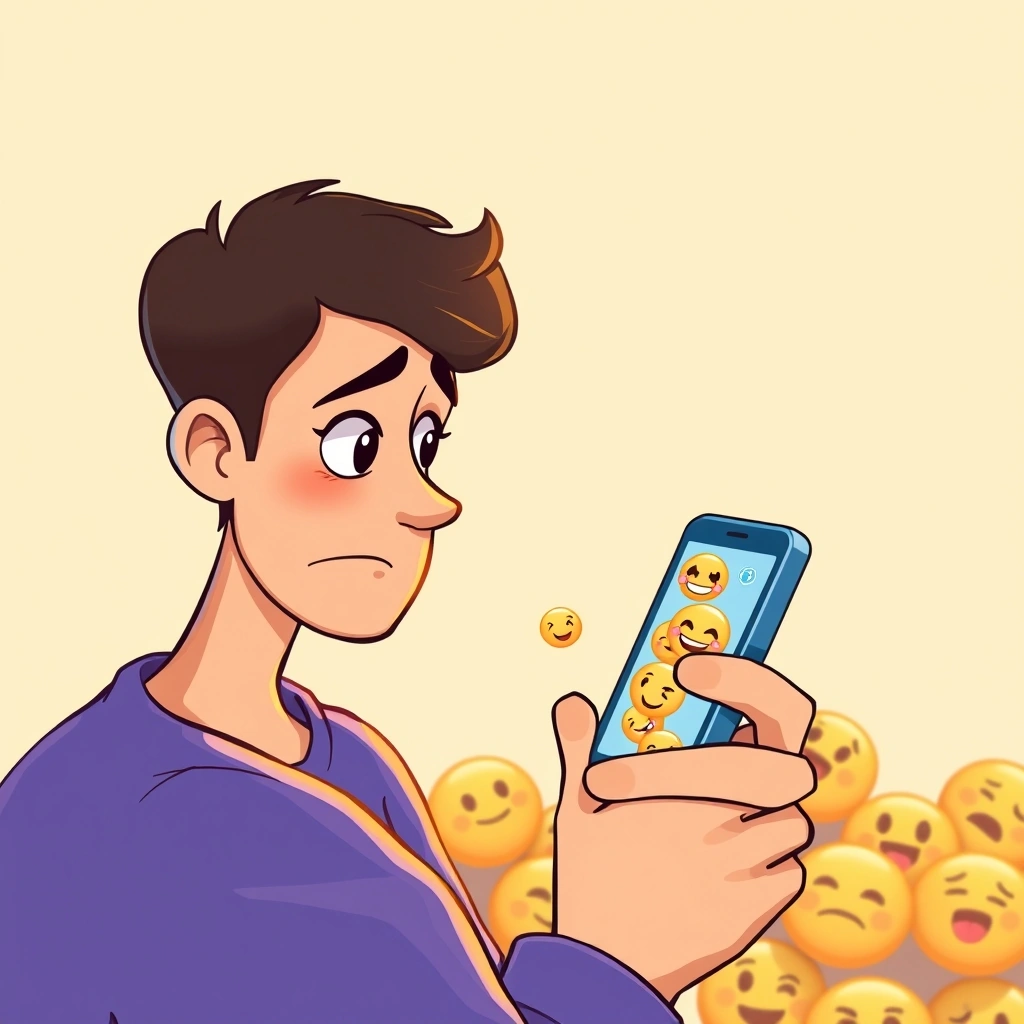
We've all been there. You're typing a quick message to a colleague, a friend, or a family member. You want to sound friendly, supportive, or just lighten the mood. So, you tap that familiar smiling face or thumbs-up emoji and hit send. It feels like a no-brainer. But then... silence. Or a reply that feels a little off. Or worse, a follow-up question asking if you're being sarcastic. What just happened?
In that moment, your emoji didn't clarify your tone—it complicated it. The very tool we use to add warmth and context to our flat, text-based conversations can sometimes become the source of the misunderstanding itself. It's a digital communication paradox that happens more often than we'd like to admit.
Why Emojis Aren't a Universal Language
It's easy to think of emojis as a modern, global shorthand. A smiley face is a smiley face, right? Not exactly. While the image is consistent, the meaning we attach to it is shaped by a whirlwind of factors: our age, our culture, our relationship with the person we're texting, and even the platform we're using.
Think about the classic "smiling face with smiling eyes" 😊. To many, it's a genuine, warm smile. To others, especially in certain work contexts or across generational lines, it can read as passive-aggressive, dismissive, or even insincere. The "folded hands" emoji 🙏 is another great example. Is it a high-five, a prayer, a plea, or a thank you? The answer depends entirely on who's sending it and who's receiving it.
This ambiguity is at the heart of the problem. We assume shared understanding, but we're often operating with slightly different emotional dictionaries. For more on how emojis form their own secret languages, you might find this exploration of emoji translation really interesting.
Audience is Everything
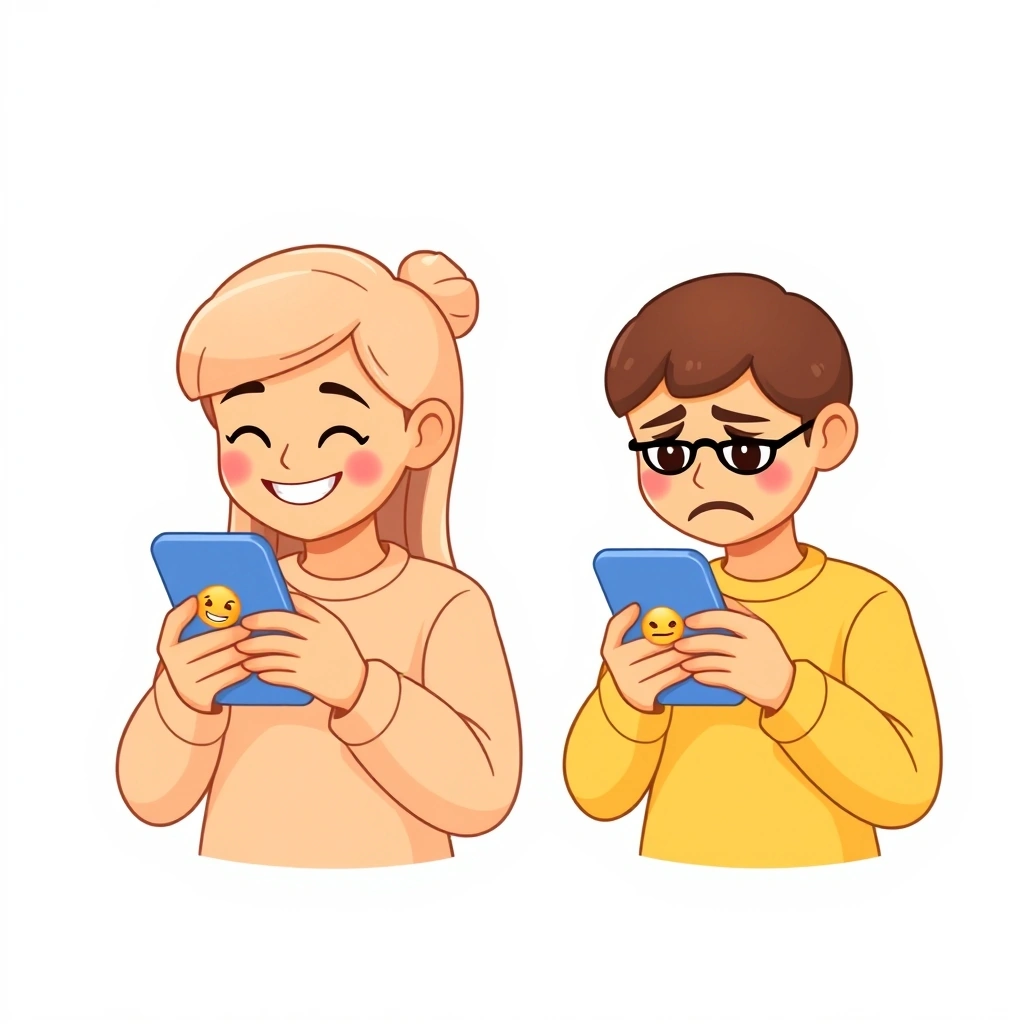
The same person might use emojis completely differently in a group chat with childhood friends versus an email chain with their boss. The context shifts, and so do the rules. The complication arises when our audience interprets our emoji through their context, not ours.
For instance, the "crying laughing" face 😂 might be your go-to for expressing something is hilarious with a peer. But send that to an older relative recounting a minor inconvenience, and they might genuinely think you're mocking their distress. The emoji didn't change; the audience's lens did.
This is especially tricky in workplace communication. A simple "Thanks!" with a smiley can feel courteous to you but unprofessional or overly familiar to a client or a senior manager. Navigating these unspoken rules is a modern soft skill in itself. If you've ever felt that a smiley face just felt all wrong, you're not alone in decoding that etiquette.
Navigating the Ambiguity
So, do we abandon emojis altogether? Of course not. They're a wonderful, expressive part of how we connect. The goal isn't to stop using them, but to use them more mindfully.
Start by considering your relationship with the recipient. What's your shared communication style? When in doubt, especially in new or formal relationships, lean towards clarity in your words first. Let the text carry the primary meaning, and use the emoji as a subtle enhancer, not the main event.
Pay attention to the conversation's emotional temperature. If the topic is sensitive, serious, or potentially contentious, an ill-placed emoji can seem like you're not taking it seriously. Sometimes, the most respectful emoji is no emoji at all.
And finally, don't be afraid to clarify! If you sense a misunderstanding, a quick "Just to clarify, I meant that sincerely!" or "Said with a friendly tone :)"> can work wonders. It shows you care about how your message landed.
Embracing the Human Messiness
At the end of the day, these misunderstandings remind us that digital communication is still human communication. It's messy, nuanced, and deeply personal. Emojis are powerful because they tap into emotion, but that's also what makes them risky.
The unexpected tone complications aren't a sign that we're bad at communicating. They're a sign that we're trying to bring our full, emotional selves into our texts, DMs, and emails. We're trying to be seen and understood beyond the words. Sometimes we miss the mark, and that's okay. It gives us a chance to reconnect, clarify, and learn a little more about each other's unique emotional dialects.
The key is to approach our emoji use not with fear, but with a little more curiosity and care. By remembering that our audience might be reading our heart emoji ❤️, fist bump 🤝, or even our simple period . through a different filter, we can build bridges instead of accidental barriers. For more stories and tips on navigating the tricky world of emoji missteps, check out our wider collection on emoji mistakes and misuse.
📒 Related Blogs
More...Beyond the Text: How Emojis Add Intention to Your Short Messages
The Hidden Power of Emojis: How a Simple 😊 Shapes How Others See You Online
Emoji Accessibility: Ensuring Inclusive Digital Communication for All
Beyond Text: How Businesses Are Revolutionizing Marketing with Emojis
How Viral Moments Shape Our Emoji Language
When Your Emoji Backfires: The Surprising Way Tone Gets Lost in Translation